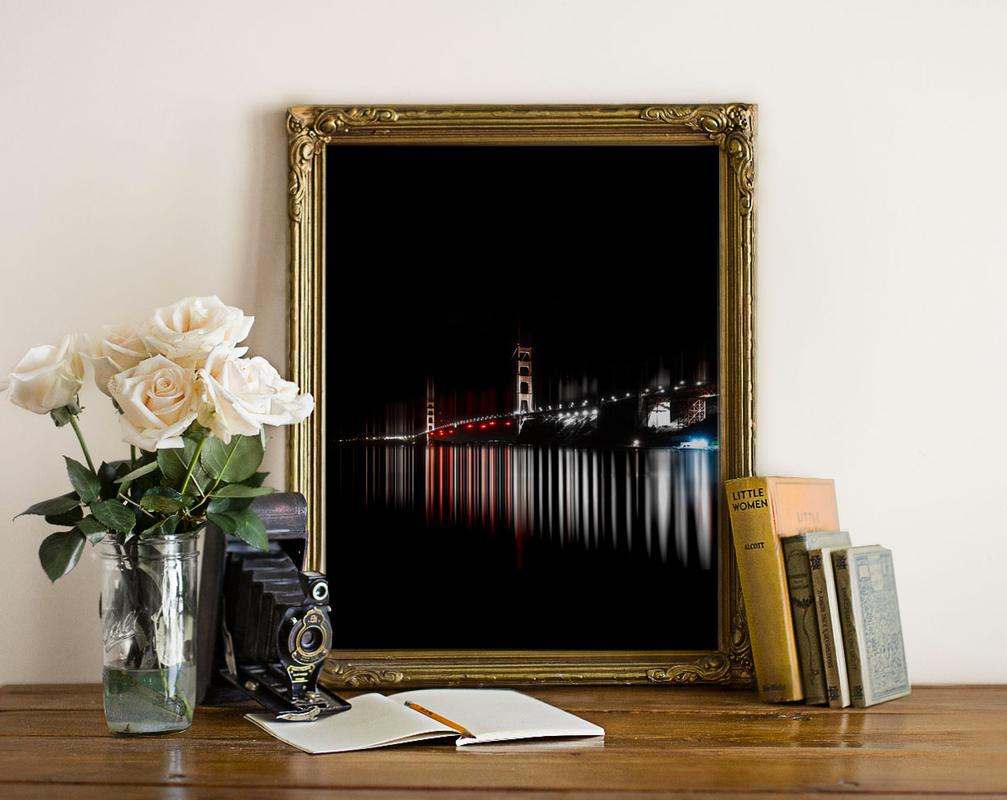
There are places in the world that photographs simply cannot prepare you for. You've seen the images a thousand times — that sweep of International Orange steel rising from the fog, twin towers piercing a cobalt sky, the Pacific churning cold and jade-green beneath. You think you know what it looks like. And then you stand at the rail for the first time, wind cutting through your jacket, the whole magnificent structure spanning 1.7 miles from shore to shore, and you realize: you had absolutely no idea.
That was my first encounter with the Golden Gate Bridge, and more than a decade later, I'm still not over it.
A Dream Built Against the Odds
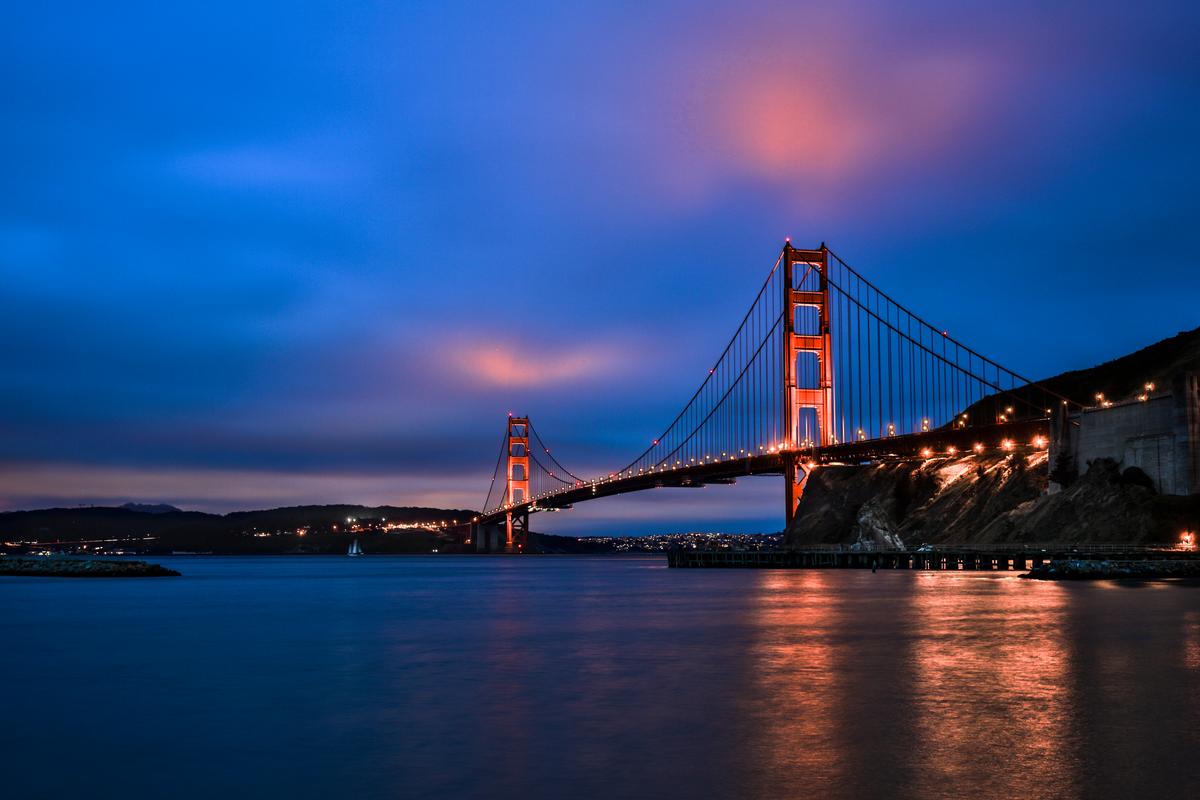
Before I fell in love with the bridge as a photographer, I fell in love with its story. Because the Golden Gate Bridge should not exist. When engineer Joseph Strauss first proposed a suspension bridge across the Golden Gate Strait in 1921, critics called it impossible. The water was too deep, the currents too fierce, the winds too unpredictable, the fog too constant. The War Department worried it would interfere with naval operations. Ferryboat companies lobbied against it for obvious financial reasons. Even the geology seemed to conspire against the idea — the south anchorage sits practically on top of a fault zone.
And yet, on January 5, 1933, construction began.
For four years, thousands of workers hung above the water in conditions that would make modern safety officers weep. Strauss introduced a revolutionary safety net beneath the bridge — a precaution almost unheard of at the time — which saved the lives of 19 men who became known as the "Halfway to Hell Club." Eleven men were still lost when a scaffold collapsed and tore through the net in 1937, just weeks before the bridge opened. Their names deserve to be remembered alongside the triumph.
On May 27, 1937, the Golden Gate Bridge opened to pedestrians. Two hundred thousand people walked across it that first day. Cars were allowed the following morning. The bridge that couldn't be built had been built — and it came in under budget.
By the Numbers
- Total Cost: $35 million (roughly $760 million in today's dollars)
- Main Span: 4,200 feet — the longest suspension bridge in the world at completion
- Tower Height: 746 feet above the water, taller than the Washington Monument
- Maximum Sway: The roadway sways up to 27 feet in high winds
- Thermal Expansion: The bridge can grow up to 10 feet on warm days
- Record Held: Longest suspension bridge span for 27 years after completion
- Opening Day: May 27, 1937 — 200,000 pedestrians crossed on day one
The color — officially called "International Orange" — was actually meant to be a primer coat. The Navy had lobbied for black and yellow stripes so the bridge would be visible to ships. The Army Air Corps wanted red and white. Consulting architect Irving Morrow took one look at the orange primer and said, essentially: that's the color. It complements the headlands, contrasts with the bay, and remains visible in fog. He was right on every count.
The Most Photographed Bridge in the World
I've traveled to some famous landmarks and found them somehow smaller in person than in pictures — victims of their own overexposure. The Golden Gate Bridge does the opposite. It earns its reputation as the most photographed bridge on earth, and every time I raise my camera, I understand why previous generations did the same.
The bridge draws around 10 million visitors per year, making it one of the most visited landmarks in the United States. On a clear weekend, the vista points around the Marin Headlands and the Presidio become their own social events — families picnicking, couples holding hands, professional photographers with tripods, tourists fumbling with phone cameras, all of us united in the same compulsion to capture something that somehow seems larger than the frame.
"I've stood at an overlook at dawn watching fog pour through the strait like a slow-motion waterfall, the bridge emerging and disappearing in the current of it, and I've thought: nothing I take today will capture this, and I'm going to try anyway."
What makes it so relentlessly photogenic? Partly the color, which is warm and vivid in a way that steel structures rarely are. Partly the setting — few landmarks come with their own dramatic natural theater of headlands, ocean, and bay. And partly the fog. San Francisco's famous marine layer transforms the bridge constantly, sometimes swallowing it entirely, sometimes leaving just the towers visible above the white like a scene from a dream.
Where to See It: My Favorite Vantage Points
Over the years, I've approached the Golden Gate Bridge from nearly every angle. Here are the spots that have given me the most, both as a photographer and as someone who simply loves to stand and look.
Five Vantage Points Worth Your Time
- Fort Baker / Horseshoe Cove (Marin Side): A low-angle view looking straight up at the south tower that makes the bridge feel genuinely monumental. Fewer crowds than the Presidio viewpoints, especially at dawn. Wonderful for capturing the bridge's relationship with the bay — sailboats, cargo ships, and kayakers all pass through the frame.
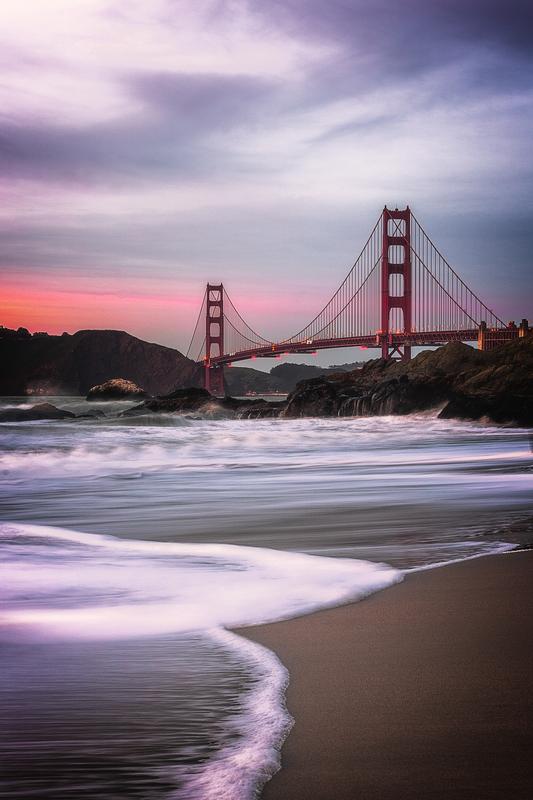
- Baker Beach (San Francisco Side): Where I bring first-time visitors to see their faces change. A wide sand beach with the full span framed by the Marin Headlands and the Pacific. Golden hour here is extraordinary. Walk the full mile — your perspective shifts dramatically, and the northern end puts you nearly underneath the bridge entirely.
- Golden Gate Overlook (Presidio): The classic. Full span visible, Marin Headlands as backdrop, the strait below. Perpetually busy, but go early for quiet and stay for the fog show — one of the best spots to watch the marine layer roll in or lift.
- Fort Point Viewpoint: Where the bridge stops being a view and becomes something you're underneath. The Civil War-era fortification sits directly beneath the south anchorage. Looking up at the bridge's understructure is one of the most dramatic perspectives available anywhere. Rewards wide-angle lenses and patience; stunning at blue hour.
- Golden Gate Viewpoint (Marin Headlands): High elevation means you're often above the fog rather than in it. The full San Francisco skyline appears beyond the bridge — the city's hills and towers framed on the right, the Pacific stretching west on the left. I've stood here and watched tourists spontaneously applaud when the fog parted.
More Than a Bridge
The Golden Gate Bridge has appeared in more films, postcards, and Instagram feeds than I could possibly count. It has survived proposals for suicide barriers, a fight that lasted decades and was finally resolved when a net was installed in 2023. It has been photographed from submarines, from the International Space Station, from hang gliders, from paddle boards.
And yet every time I see it — from my car on the approach, from a ferry crossing the bay, from any of these viewpoints at any hour — I feel the same thing I felt the first time. That this is something humans made. That it shouldn't be possible. And that somehow, against all the odds and the deep currents and the earthquake faults and the skeptics, here it stands.
I hope I never stop finding that remarkable.