Interior design can feel like an endless list of home decorating trends with no real logic connecting them — Grandmillennial one year, Japandi the next, and countless more types in between. But almost every interior design style you’ve ever heard of traces back to just five root archetypes. Not one style on this list is here by accident. Each style is a specific response to a specific set of pressures — a war that changed which building materials were available, a distinct climate that demanded certain colors to feel right, a generation that was rebellious against their parents. Once you get clarity on these five root interior style archetypes, the evolution of the specific styles you encounter afterwards will start to make sense naturally.
Below is the full breakdown — all five archetypes, and the forty interior design styles that branch from them, with the historical backgrounds and material logic that shaped each one of them. Understanding how a specific style originated and what are its building blocks, makes it easier to recognize what you’re actually drawn to, rather than just reacting to whatever is trending in a given year with no substance behind it.

The Five Root Interior Design Style Archetypes
The Five Archetypes
- Historical & Classical Traditions — rooted in European architectural lineage, formal symmetry, and period provenance.
- Modernism & 20th-Century Movements — defined by the Industrial Revolution, structural efficiency, and “form follows function.”
- Transitional & Contemporary Hybrids — fluid, present-day styles bridging historical heritage with modern utility.
- Regional & Climate-Inspired Architecture — anchored to local material, regional light, and cultural philosophy.
- Eclectic & Expressionist Movements — personalized, tactile aesthetics built on storytelling and well-being rather than a single rule set.
1. Historical & Classical Traditions
This archetype covers everything rooted in European architectural lineage, formal symmetry, and decorative embellishment carried down through actual period provenance. The Jongas guide to traditional interior design covers the core sensibility this entire branch shares in full; the styles below are its specific historical variations.
Styles in This Archetype
- Classical & Neoclassical — built on rigid Greco-Roman symmetry: fluted columns, wainscoting, and formal spatial balance, developed as an 18th-century European reaction against the ornate excess that preceded it.
- Baroque & Rococo — that excess itself: high ornamentation, gilded plasterwork, grand ceiling murals, and dramatic curved profiles built to overwhelm rather than restrain.
- Victorian & Gothic Revival — dark, moody palettes, heavy drapery, tufted velvet, intricate wood carving, and stained glass — 19th-century domestic interiors as dense and layered as the novels being written in them at the same time.
- Arts & Crafts / Craftsman — an early-20th-century rejection of industrial mass production in favor of hand-carved joinery, built-in cabinetry, dark-stained oak, and honest earth tones.
- Art Nouveau — organic, flowing lines pulled from actual flora, arched doorways, stained glass, and sinuous ironwork.
- Southern Traditional / Colonial — symmetry, mahogany antiques, skirted seating, brass hardware, and formal wall paneling — the classical European vocabulary translated for a young country building its own grand houses.
2. Modernism & 20th-Century Movements
Everything in this archetype is defined by the Industrial Revolution, structural efficiency, and the design world’s eventual embrace of “form follows function” as a genuine philosophy rather than a slogan. Industrial & Neo-Industrial design — covered in full in its own Jongas guide — showcases raw urban loft aesthetics: exposed brick, ductwork, structural steel, polished concrete, and the occasional piece of vintage machinery left exactly where it was found.
Styles in This Archetype
- Bauhaus — founded in Germany in 1919, gave the whole modernist movement its defining vocabulary: primary geometric forms, tubular chrome, and unadorned structural honesty.
- Art Deco — 1920s Jazz Age luxury built from high-gloss lacquer, geometric zigzags, polished brass, and rich jewel tones.
- Mid-Century Modern — organic silhouettes, tapered peg legs, low-slung profiles, teak and walnut, and a newly seamless connection between indoor and outdoor living.
- Minimalism — monochromatic essentialism, zero ornamental excess, concealed storage, and unbroken clean lines.
- Retro / Memphis Group — bold 1970s–80s postmodernism built on asymmetrical shapes, neon pop accents, laminate surfaces, and openly playful geometric furniture.
3. Transitional & Contemporary Hybrids
This is the fluid middle ground — present-day styles built specifically to bridge historical heritage with modern architectural utility, rather than choosing one side of that divide outright. Contemporary design, covered fully in its own Jongas guide, is the archetype’s most fluid member: ever-evolving, reflecting whatever present-day innovation happens to be current, expressed through curved silhouettes, low-profile modular seating, and smart home integration.
Styles in This Archetype
- Transitional — the classic bridge style, softening traditional furniture profiles with clean, modern neutral palettes: the direct 1990s answer to a design world tired of both extremes at once.
- Urban Modern / Neo-Contemporary — softens industrial aesthetics specifically for city apartment living, combining plush upholstery with sleek metal frames.
- Organic Modern — pairs clean contemporary architecture with soft plaster finishes, travertine, curved bouclé upholstery, and light natural wood — modernism relaxing into wellness rather than staying purely structural.
- Modern Farmhouse — layers agrarian warmth onto sleek modern hardware: shiplap, slipcovered sofas, matte black fixtures.
- Grandmillennial — revives traditional chintz, ruffles, needlepoint, and wicker with bold, fresh, distinctly un-grandmotherly color.
“The most timeless homes use one dominant Anchor Style for the expensive, permanent decisions — and reserve roughly 20% of the room for Accent Style, expressed through what’s far easier to change later.”
4. Regional & Climate-Inspired Architecture
Every style in this archetype is geographically anchored — shaped directly by local material, regional light, and the cultural philosophy that grew up around both.
Styles in This Archetype
- Mediterranean / Tuscan — sun-baked terracotta tile, lime-washed plaster, exposed ceiling beams, arched doorways, and wrought iron: centuries of coastal Spanish, Italian, and Greek architecture built to repel real heat.
- Rustic — raw timber, stacked stone, and hand-forged iron born from frontier necessity rather than aesthetic preference.
- Scandinavian — formed during long Nordic winters, focused on light woods, pale walls, and the cozy functional simplicity known as hygge.
- Traditional East Asian / Asian Zen — serene balance through natural bamboo, paper shoji screens, low seating, tatami flooring, and Feng Shui spatial flow — a tradition that directly shaped Western Modernism far more than most people realize.
- Japandi — Japanese wabi-sabi minimalism fused directly with Scandinavian warmth and craftsmanship.
- Coastal / California Coastal — crisp whites, pale oak, linen upholstery, weathered wood, and soft blue in light-filled oceanfront rooms.
- Tropical / Palm Beach — vibrant botanical wallpaper, rattan, carved mahogany, bamboo, and coral — resort energy brought indoors.
- Southwestern / Desert Modern — adobe texture, terracotta hue, distressed leather, and woven Native-inspired textile, anchored by cacti and succulents.
- Country — both English Countryside and French Country: exposed ceiling rafters, floral wallpaper, antique slipcovers, and rustic stone hearths.
- Alpine Chic — warm chalet luxury: heavy timber beams, stone fireplaces, shearling, dark leather, and wool — Rustic’s more polished mountain cousin.

5. Eclectic & Expressionist Movements
This final archetype is personalized and highly tactile by design — built on storytelling, deliberate pattern mixing, and increasingly, genuine environmental well-being rather than any fixed rule set.
Styles in This Archetype
- Holistic — wellness-centered design integrating indoor plant life, optimized natural light, organic shapes, and non-toxic material, built around the physical mechanics of how a space actually makes a body feel, not just how it photographs.
- Biophilic / Naturalist — closely related to Holistic design, placing the restorative mechanics of nature — living walls, raw stone, unfiltered daylight — at the center of every design decision.
- Bohemian (Boho) & Modern Boho — a free-spirited accumulation of global textile, rattan furniture, layered rug, and abundant plant life — personal history worn openly on every surface.
- Maximalism — a curated “more is more” philosophy built on saturated wall paint, layered gallery walls, mixed pattern, and theatrical lighting: nothing left to feel accidental.
- Cottagecore & Shabby Chic — nostalgic, romantic aesthetics: distressed painted furniture, vintage floral, soft linen, and handcrafted ceramic — the visual language of a life slowed deliberately down.
How to Actually Choose
Choosing a style isn’t about picking a favorite from a magazine — it’s about aligning architecture, climate, daily function, and what you already own.
Start with what you can’t change. Modern glass-and-steel architecture naturally wants Modernism or Minimalism. Traditional pitched roofs and heavy trim lean toward Classical, Modern Farmhouse, or Rustic. Bright coastal light makes Coastal and Tropical palettes sing; that same crisp white and blue reads cold and stark in an overcast northern climate, where Scandinavian or Alpine warmth works far better.
Then be honest about how you actually live. Households with young kids or pets often find ultra-sleek Minimalism exhausting to maintain, while Rustic and Transitional styles embrace natural patina and texture that hides daily wear instead of showing every mark. If you host large casual gatherings, open-concept Industrial or Bohemian layouts support that better than the defined room divisions Classical and Neoclassical design prefer.
Apply the 80/20 rule. The most timeless homes use one dominant Anchor Style for the expensive, permanent decisions — flooring, cabinetry, millwork, tile — and reserve roughly 20% of the room for Accent Style, expressed through furniture, lighting, and art that’s far easier to change later. Keep the expensive, hard-to-undo choices neutral. Save the personality for what you can swap out in an afternoon.
Test it before you commit. Collect physical samples of materials you’re drawn to — light oak, dark walnut, honed marble, raw concrete, matte black steel — and group them together. The natural pairing that emerges will tell you honestly whether you lean warm and earthy or sleek and cool, often more accurately than looking at finished rooms ever could.
Fine Art Photography Across Every Archetype
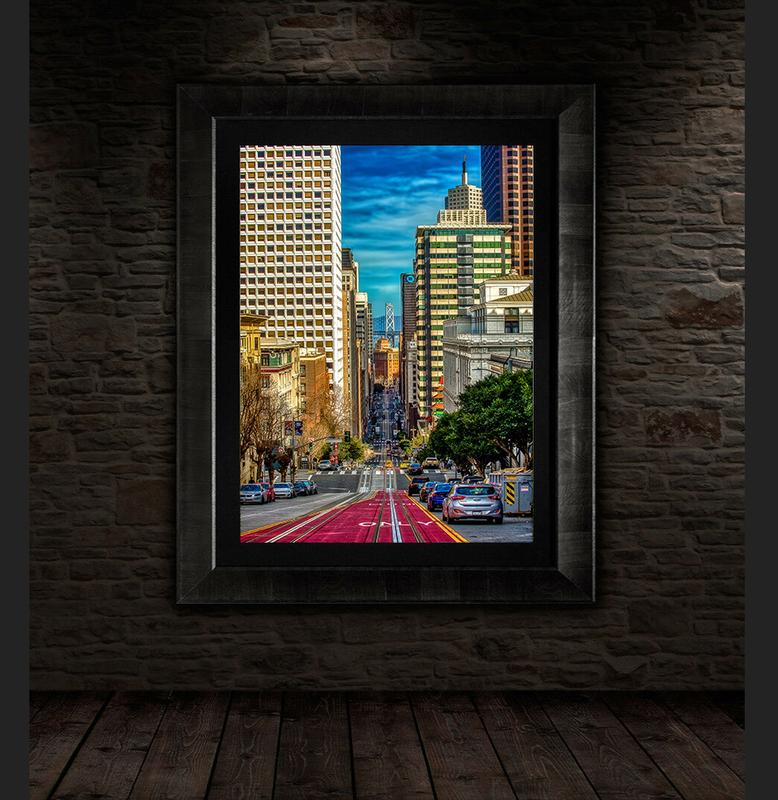
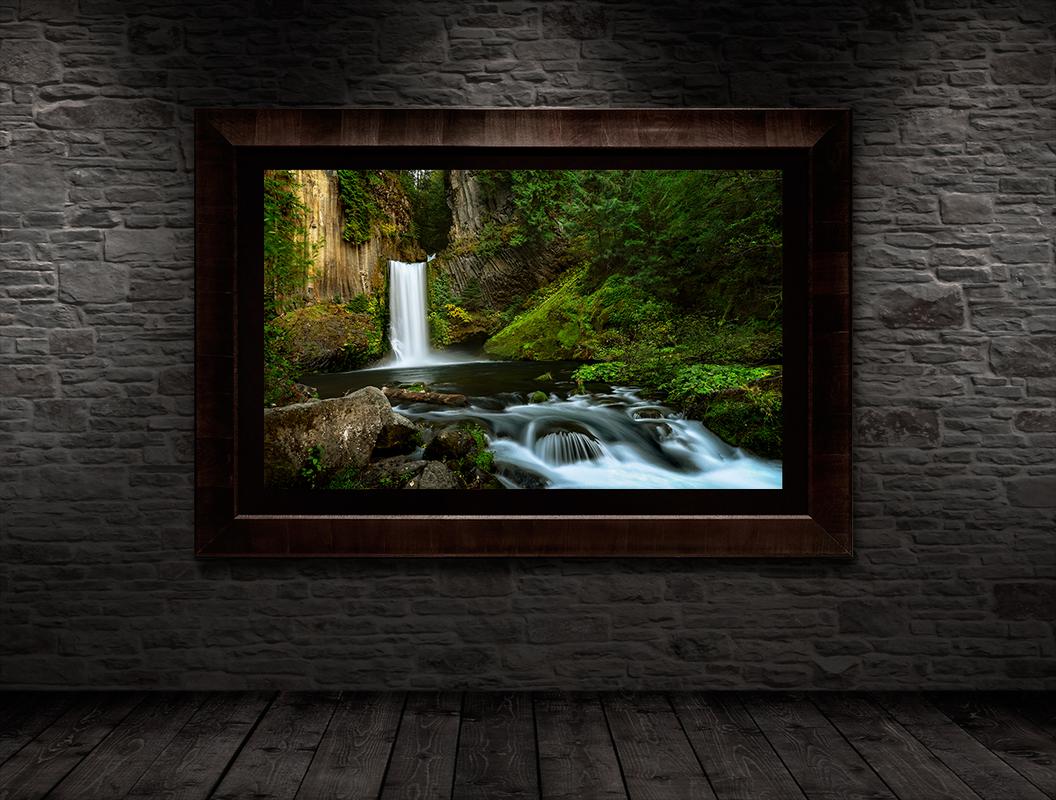
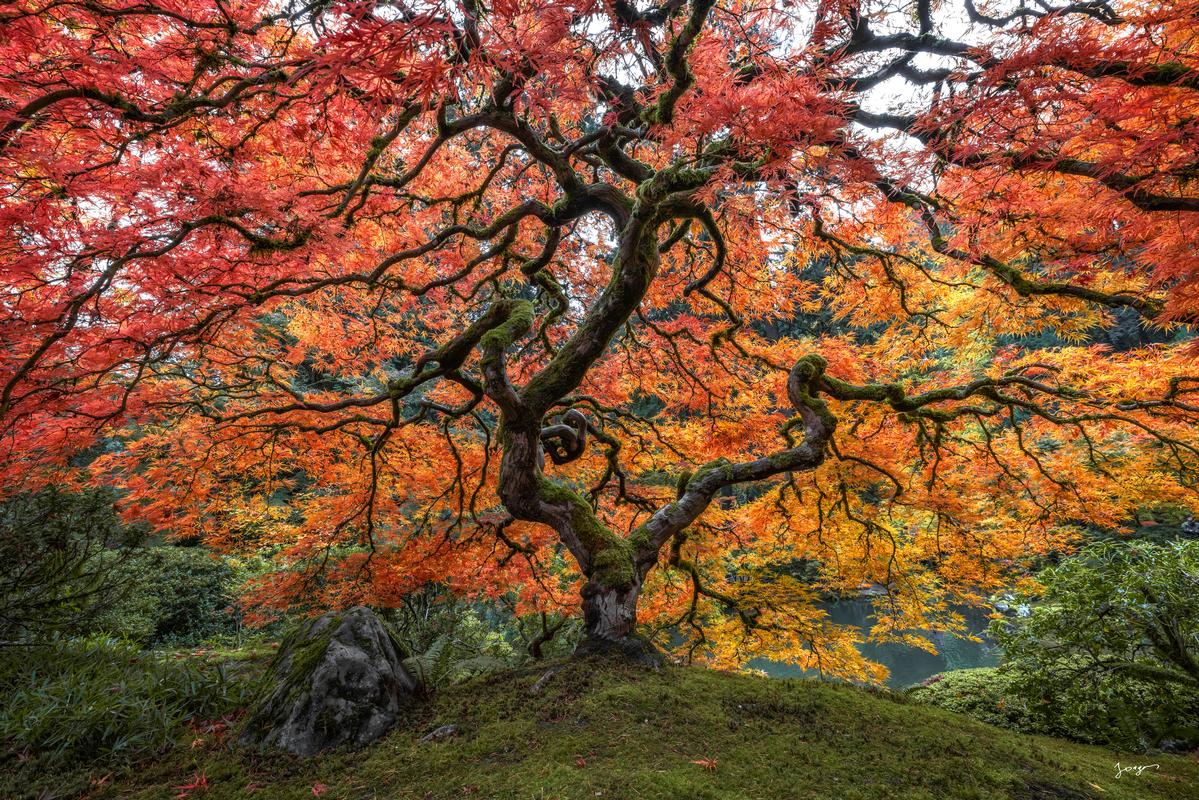
Modern fine art photography (landscape and cities) is one of the few art forms genuinely versatile enough to belong in every archetype above — provided the subject matter, scale, and framing are matched deliberately to the room rather than chosen generically.
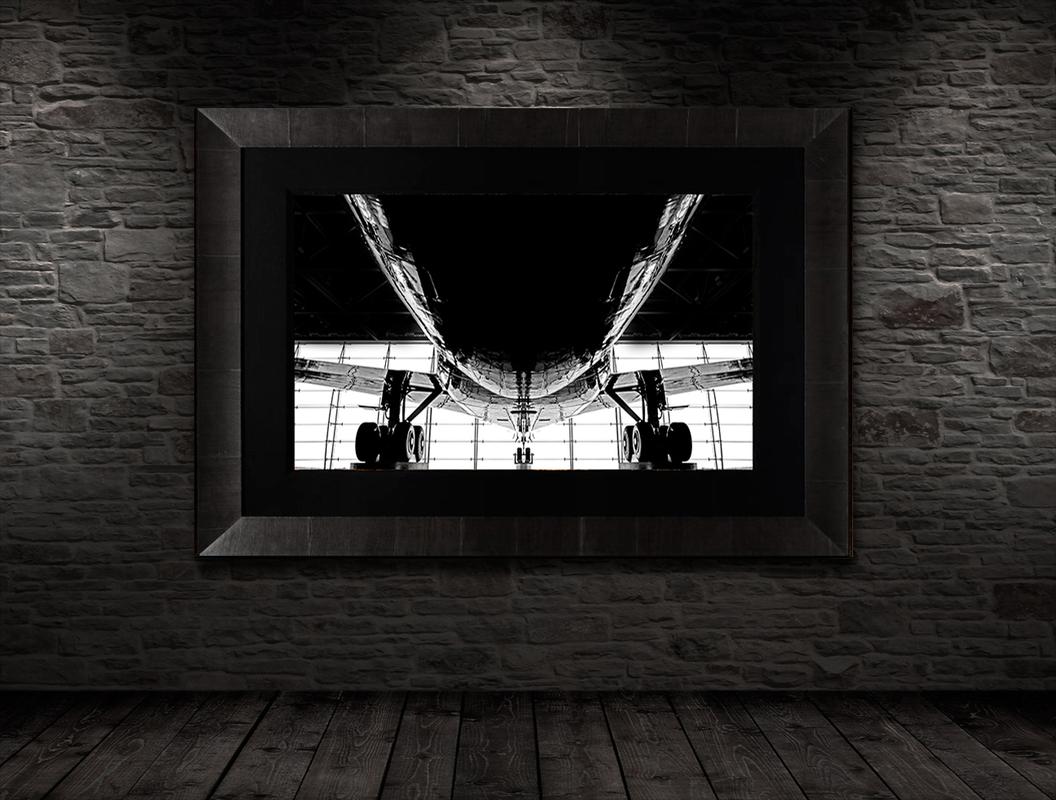
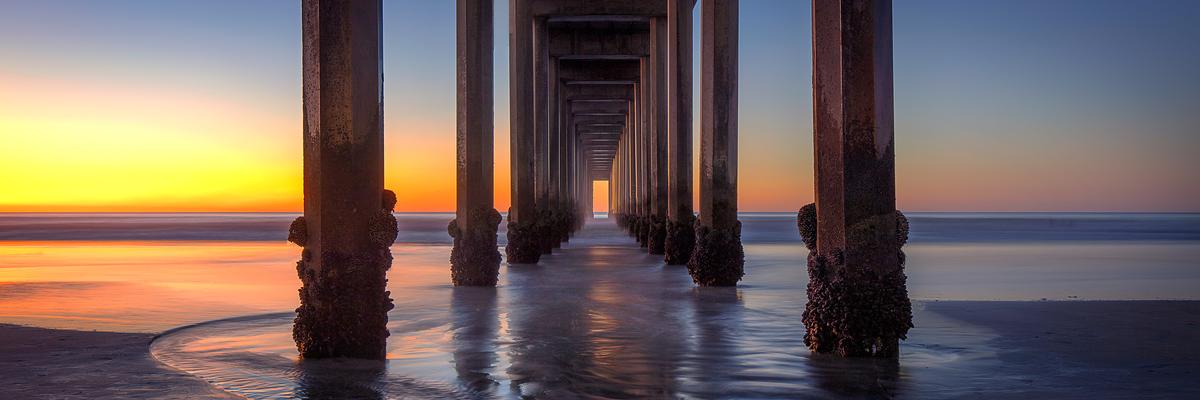
In Modernist and Minimalist spaces, a single oversized print — high-contrast black and white architecture, a long-exposure seascape, a dramatic landscape — becomes the room’s primary focal point precisely because it isn’t competing with anything else on the wall.
In Transitional, Japandi, and Organic Modern rooms, where texture and natural warmth carry more weight than stark contrast, a fine art photography triptych split across three panels works especially well above a sofa or headboard, echoing the same architectural rhythm those rooms are already built around.
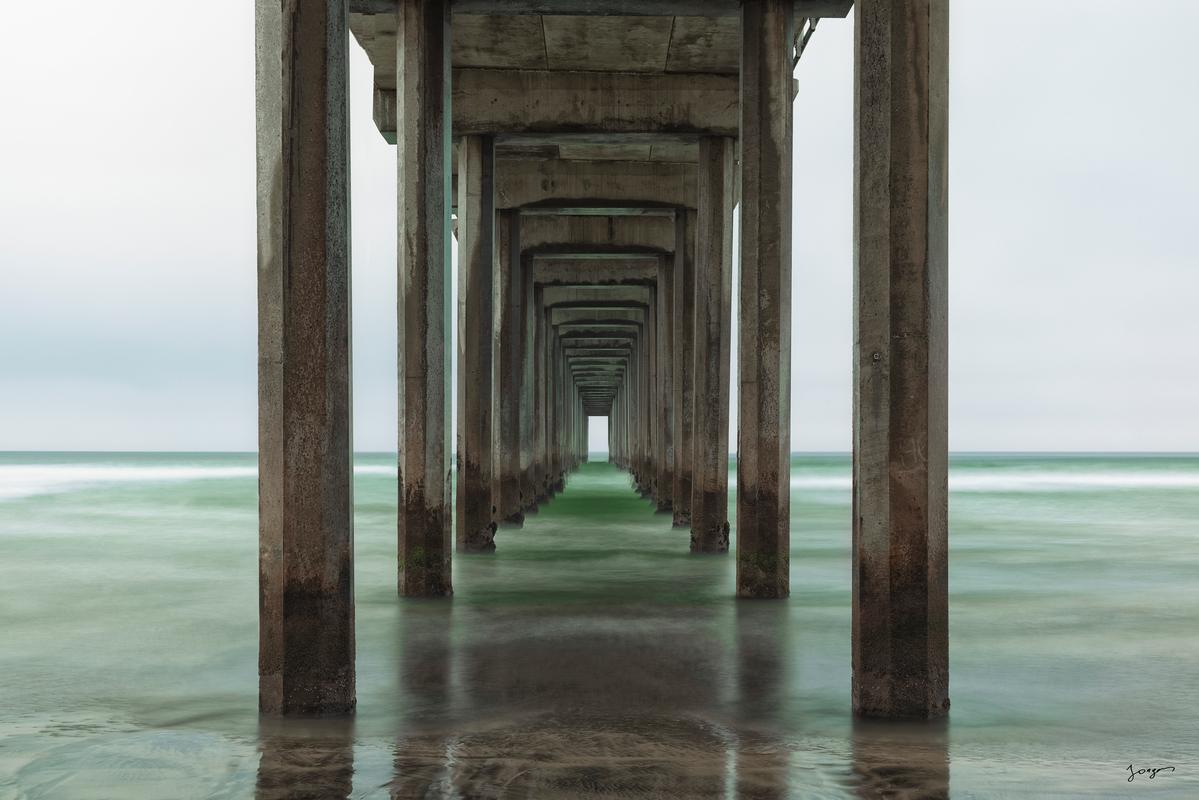
In Regional styles — Coastal, Rustic, Mediterranean, Alpine Chic — photography does something no painting can: it documents a real place rather than interpreting one, which matters enormously in design categories built entirely around material honesty. A photograph of an actual mountain range or an actual coastline carries the same authenticity the reclaimed wood and natural stone in the room are already telling.
Even in Historical and Eclectic interiors, where oil painting has traditionally dominated, black-and-white and abstract fine art photography holds its own when framed to match — dark wood, linen liners, classic matting — sitting comfortably inside a salon-style gallery wall or above a formal mantel.
The one universal rule, regardless of style: an artwork or gallery arrangement should span roughly 60–75% of the width of the furniture beneath it, hung so its center sits close to eye level, with a 6–8 inch gap above a sofa or mantel. For multi-panel triptychs specifically, keep a tight 2–3 inch spacing between panels so the eye reads them as one composition rather than three disconnected pieces.
At Jongas Fine Art Photography every image printed as a Lumachrome HD TruLife® Acrylic limited edition is built to hold up to this standard across any of the archetypes above — a signed, numbered, authenticated print of a real place, ready to anchor whichever style the rest of the room is built around.
Explore the Full Library
This guide will keep expanding as new individual style deep-dives get published. The full current library:
Contemporary Interior Design →
Mediterranean Interior Design →
Eddie Jongas is a modern fine art photographer based in Las Vegas, Nevada. His TruLife acrylic-mounted limited edition prints are available exclusively through jongasfineartphotography.com. Free shipping to all 50 states.