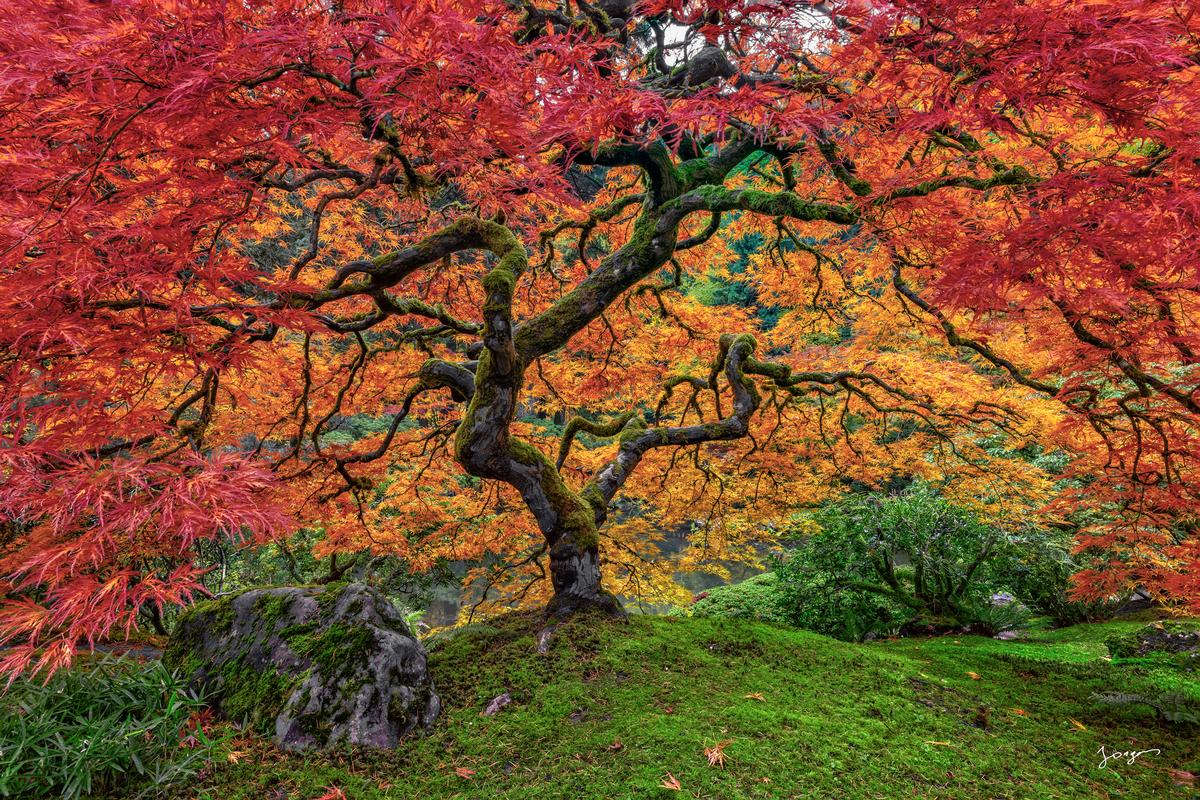
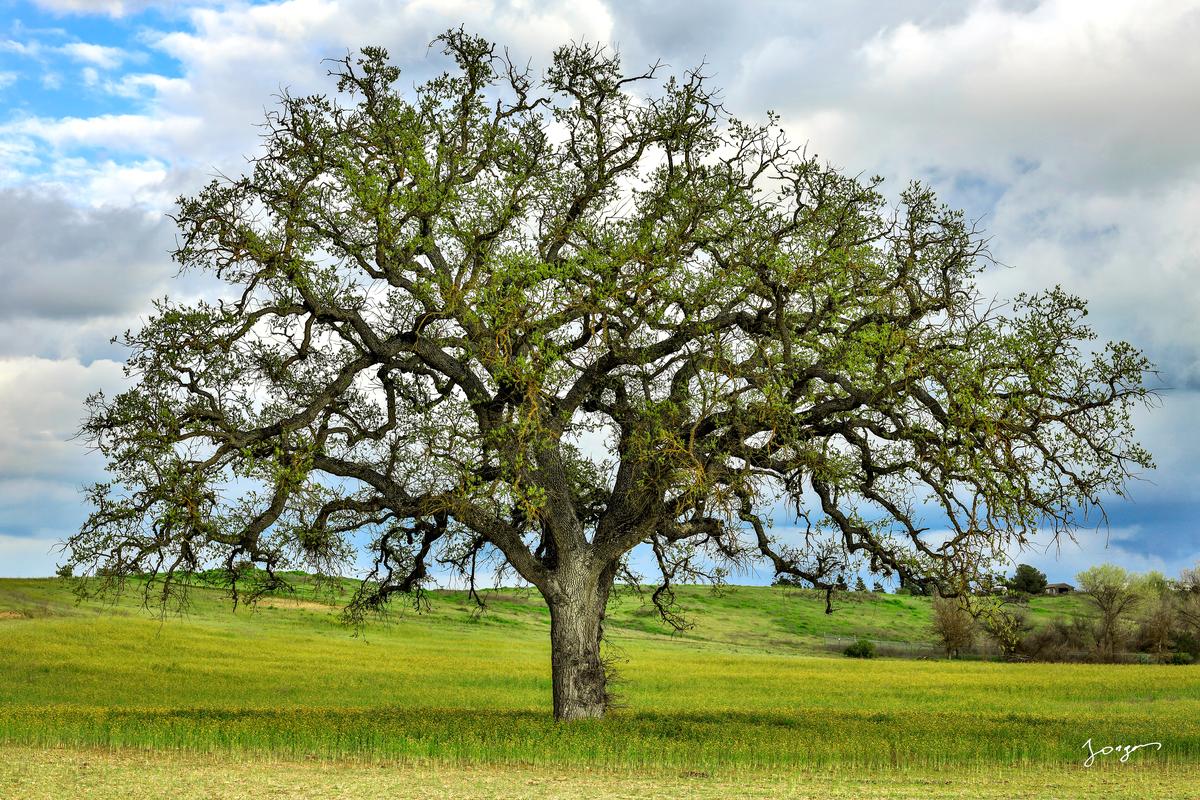
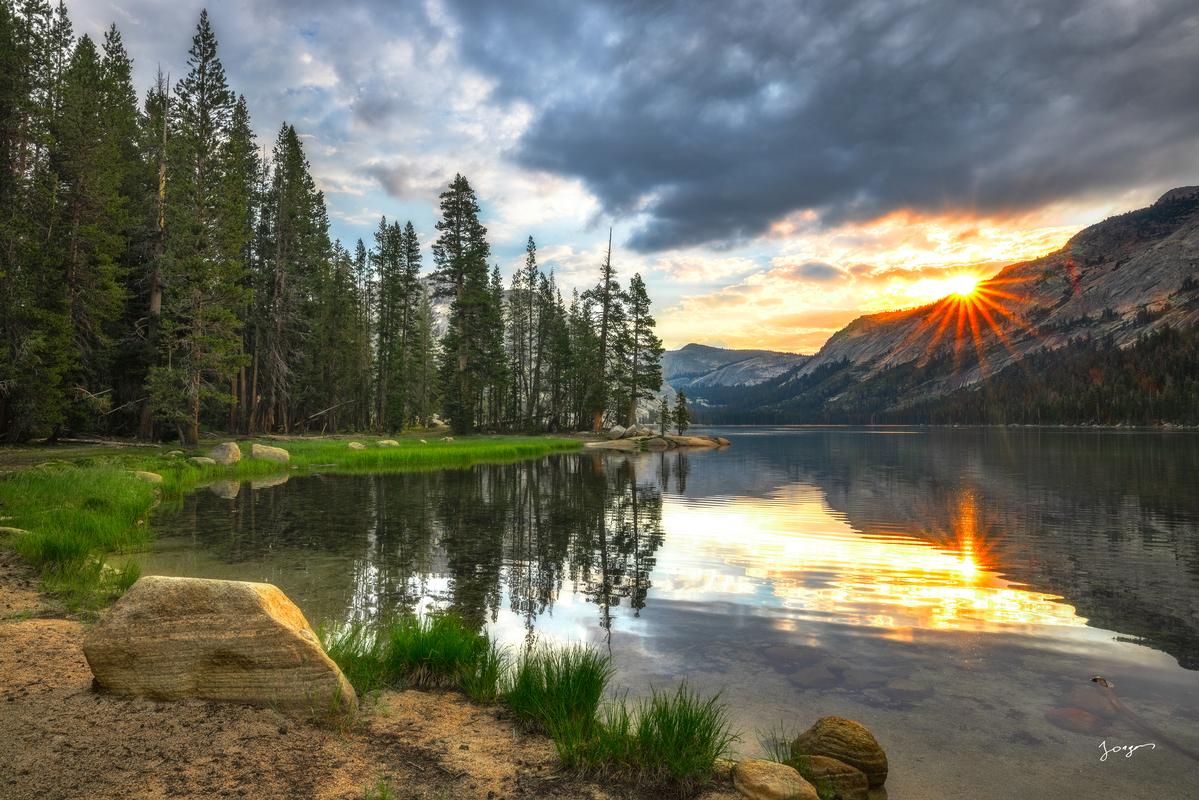
Large landscape wall art can completely change the character of a room. A wide mountain panorama above a sofa, a dramatic coastal photograph spanning a living room wall, or an oversized forest print in an entryway does more than fill empty space — it can become the visual anchor for the entire interior.
But buying large wall art is different from choosing a small framed print. At larger sizes, everything matters more: the dimensions of the wall, viewing distance, proportions of the artwork, colors in the room, print material, image resolution, lighting, and even how the artwork will be mounted.
This guide explains how to choose large landscape wall art, how big your artwork should be, which landscape subjects work best in different interiors, and what to consider when investing in a large fine art photography print.
What size is considered large for landscape wall art?
Large landscape artwork generally begins around 40 inches wide. Pieces measuring 60, 72, 80 inches or more start creating the dramatic presence people typically associate with oversized wall art. Panoramic photographs can extend to 8 or even 10 feet across for expansive walls and commercial spaces.
How do I know what size wall art to buy for above my sofa?
A useful starting point is to choose artwork approximately two-thirds to three-quarters the width of the furniture beneath it. For a 72-inch sofa, aim for roughly 48–54 inches of artwork. For a 96-inch sofa, roughly 64–72 inches. Use painter's tape on the wall to test the dimensions before purchasing.
What print material is best for large landscape photography?
For high-end photographic presentation, acrylic-mounted prints offer exceptional depth, clarity and dimensionality. Metal prints provide a clean contemporary look. Canvas offers a softer, more traditional feel. For fine art photography with significant detail, acrylic face-mounting — such as TruLife optical acrylic — is widely considered the premium option.
Is fine art landscape photography different from mass-produced wall art?
Significantly. Mass-produced wall décor is designed to fill space and may be reproduced thousands of times. Limited-edition fine art photography is controlled by the photographer in terms of image, edition size, printing process and presentation, and typically comes signed, numbered and with a Certificate of Authenticity.
What landscape subjects work best in a living room?
It depends on the atmosphere you want. Mountain photography creates depth and scale; ocean and coastal art opens a room visually; forest and tree photography introduces organic texture; desert landscapes complement neutral interiors with warm earth tones. Subject choice should reflect both the room's palette and your personal connection to the image.
Should I buy one large artwork or a gallery wall of smaller pieces?
Both can work, but they create different interiors. A single oversized photograph on a large uninterrupted wall typically creates greater visual impact and a cleaner architectural relationship with the room. A gallery wall emphasizes variety. For landscape photography specifically, scale allows viewers to experience the environment rather than seeing it as one small object among many.
What Is Considered Large Landscape Wall Art?
There isn't a universal definition of "large" wall art because scale depends partly on the room. A 40-inch print may look substantial in a hallway but relatively small above a 100-inch sectional sofa.
For practical purposes, large landscape artwork generally begins around 40 inches wide, while pieces measuring 60, 72, 80 inches or more start creating the dramatic presence people typically associate with oversized wall art.
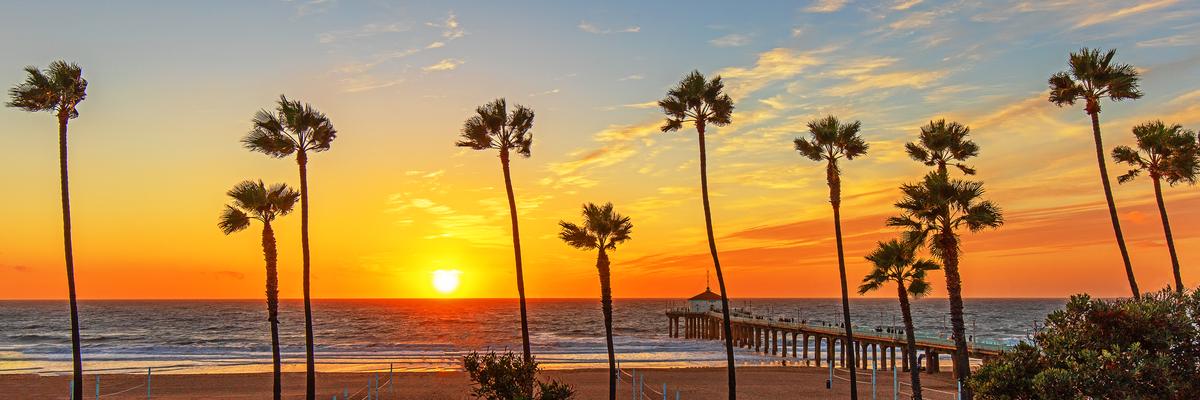
Panoramic photographs can become considerably larger. Some panoramic fine art photographs extend to 8 or even 10 feet across, making them particularly well suited to expansive walls, great rooms, offices, hotel spaces, and contemporary interiors.
The objective isn't simply to purchase the biggest artwork possible. It is to find the scale at which the artwork and architecture begin working together.
Why Landscapes Work So Well as Large Wall Art
Landscape photography naturally benefits from scale. Mountains, forests, oceans, deserts and canyons are enormous environments. Displaying them as tiny prints can compress that sense of space. Enlarging the photograph allows more of the experience of standing in front of the original landscape to survive.
That is particularly true with highly detailed photography. A large photograph can reveal textures and smaller elements that are easy to overlook on a computer screen: individual trees along a mountain ridge, patterns in sandstone, distant waves, fog between redwoods or subtle changes in evening light.
This is one reason large landscape photography works particularly well as statement artwork. Instead of functioning simply as decoration, the photograph can become something viewers explore. For examples, browse the Jongas Landscape Photography Prints collection.
How Large Should Wall Art Be?
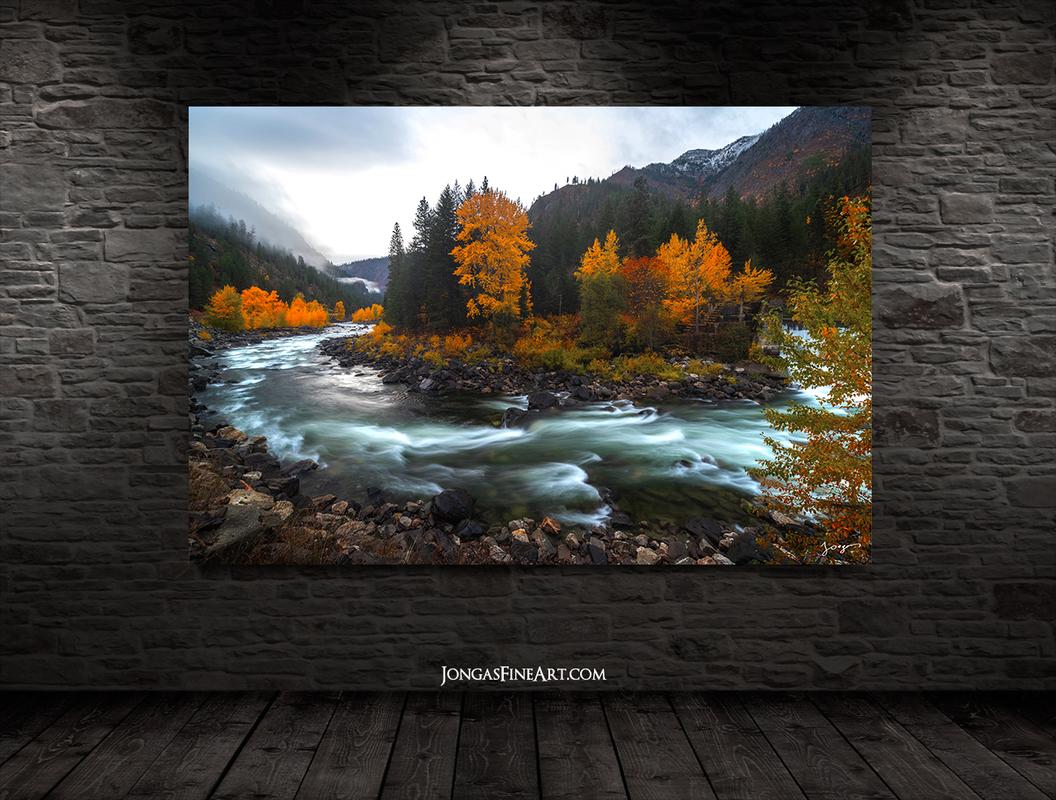
One of the most common mistakes when buying wall art is choosing something too small. Large furniture creates visual mass. Artwork placed above it needs enough scale to balance that mass.
A useful starting point is to choose artwork approximately two-thirds to three-quarters the width of the furniture beneath it.
Artwork Width by Sofa Size
- 72-inch sofa: approximately 48–54 inches of artwork
- 84-inch sofa: approximately 56–63 inches
- 96-inch sofa: approximately 64–72 inches
- 108-inch sectional: approximately 72–81 inches
These aren't rigid rules. Minimalist interiors can support slightly smaller pieces surrounded by negative space, while dramatic contemporary rooms may benefit from artwork that approaches the full width of the furniture. The important consideration is proportion. If a landscape print looks like a small object floating in the middle of a large wall, it is probably too small.
Measure the Wall — Not Just the Room
Before purchasing oversized landscape wall art, measure the actual usable wall. Record the total wall width, ceiling height, furniture width, distance between furniture and ceiling, nearby doors and windows, switches, sconces and architectural details, and normal viewing distance.
Then use painter's tape to outline the proposed artwork dimensions directly on the wall. This simple test is extremely useful. A 60-inch photograph can sound enormous until its dimensions are taped above a 9-foot sofa. Conversely, an 80-inch print that seemed reasonable online may overwhelm a narrower wall. Large artwork should feel substantial without appearing squeezed into the available space.
Large Wall Art Above a Sofa
The wall above a sofa is one of the most natural locations for a large landscape photograph. Horizontal landscapes work especially well because their proportions often echo the horizontal shape of the furniture. Mountains, coastlines, deserts and panoramic vistas can visually extend across the room rather than competing with the sofa beneath them.
As a general rule, avoid hanging the artwork excessively high. The relationship between the furniture and artwork should feel intentional. When too much empty wall separates them, they begin looking like unrelated objects. This is particularly important with large panoramic wall art, where the long horizontal format naturally creates a strong relationship with the furniture below.
Large Landscape Wall Art for a Living Room
A living room usually offers the greatest opportunity for statement-scale artwork. Start by identifying the room's dominant wall — this might be behind the sofa, opposite the main seating area, above a console, beside a fireplace, or along a double-height wall. Then consider where people naturally look when entering the room. The strongest piece of artwork often belongs on that sightline.
For contemporary interiors, one substantial large fine art photography print can often create a cleaner result than assembling numerous smaller pieces. The photograph becomes the focal point while furniture, lighting and accessories support it.
Oversized Wall Art for Large and Double-Height Walls
Large rooms create a problem that doesn't exist in smaller spaces: ordinary artwork can disappear. A 30 × 40-inch print might feel large in isolation but appear surprisingly small on a 15-foot wall. This is where oversized photography becomes especially effective.
Large Format Print Size Guide
- 60 inches wide: Substantial without dominating most residential rooms
- 72–80 inches wide: Strong statement scale for large living rooms and offices
- 90–100 inches wide: Appropriate for expansive walls and luxury interiors
- 120 inches wide: True architectural-scale artwork for very large spaces
Jongas panoramic fine art photography is available in formats reaching 40 × 120 inches, allowing a landscape to occupy a wall at a scale closer to the environment it depicts. Explore the Fine Art Photography Collections to compare subjects and formats.
"At sufficient scale, landscape photography can function almost like another architectural opening — a visual passage into mountains, forests, coastlines and places far beyond the room itself."
Panoramic Landscape Wall Art
Some landscapes simply belong in panoramic format. A mountain range stretching across the horizon, a sweeping coastline or a broad desert vista can lose much of its character when forced into a conventional rectangular crop. Panoramic photography preserves that horizontal scale.
It is particularly effective above long sofas, above beds, behind executive desks, in conference rooms, along hallways, in hotel and hospitality spaces, and on large feature walls. Because panoramic artwork is relatively shallow compared with its width, it can also occupy large horizontal walls without overwhelming rooms with lower ceilings. For collectors looking specifically for dramatic large-format artwork, panoramic landscape photography is often one of the strongest options.
Choosing the Right Landscape Subject
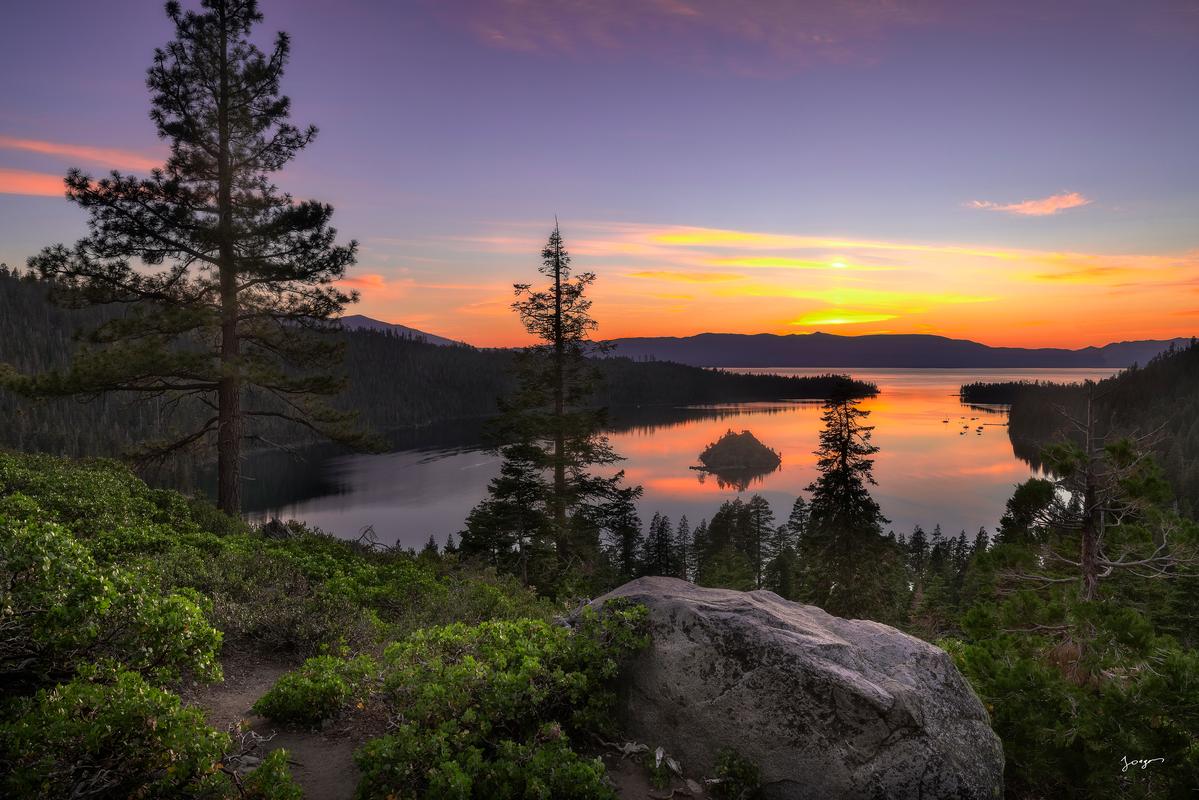
Size matters, but subject matter determines how the artwork changes the atmosphere of the room.
Mountain photography creates visual depth and a sense of scale. Snow-covered peaks can work beautifully in contemporary and minimalist interiors, while mountains surrounded by autumn forests introduce warmer colors appropriate for organic, rustic and transitional spaces. Explore Mountain Photography Prints for examples of large-scale mountain artwork.
Ocean photography can visually open a room. Long horizons, coastal cliffs, moving water and atmospheric skies create depth beyond the physical wall, making coastal landscapes particularly effective in rooms where you want a greater feeling of openness. Despite the obvious association with coastal homes, ocean photography isn't limited to beach interiors — large seascapes can provide an interesting natural counterpoint to glass, stone, concrete and other materials found in contemporary architecture. Explore Ocean & Seascape Photography Prints.
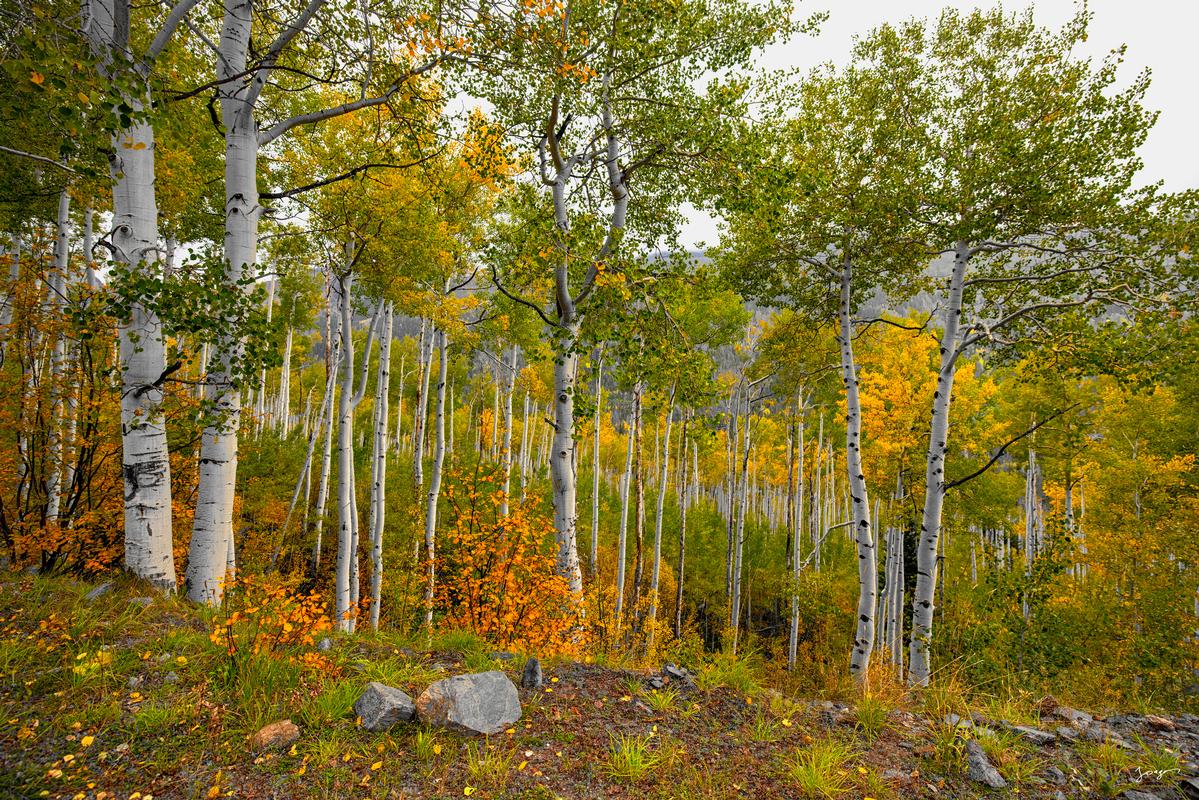
Forest photography produces a different experience. Instead of looking toward a distant horizon, viewers often feel visually surrounded by the scene. Redwoods, aspens, autumn trees and misty forests can bring texture and organic patterns into rooms dominated by straight architectural lines. Large tree photography works especially well in modern organic, contemporary, rustic and nature-inspired interiors.
Desert landscapes tend to combine minimalism with extraordinary geological forms. Sandstone, dunes, canyons and open desert skies work especially well with neutral interiors because their natural palettes often contain warm earth tones, beige, rust, cream and muted orange. Desert photography can therefore introduce color without overwhelming a restrained interior.
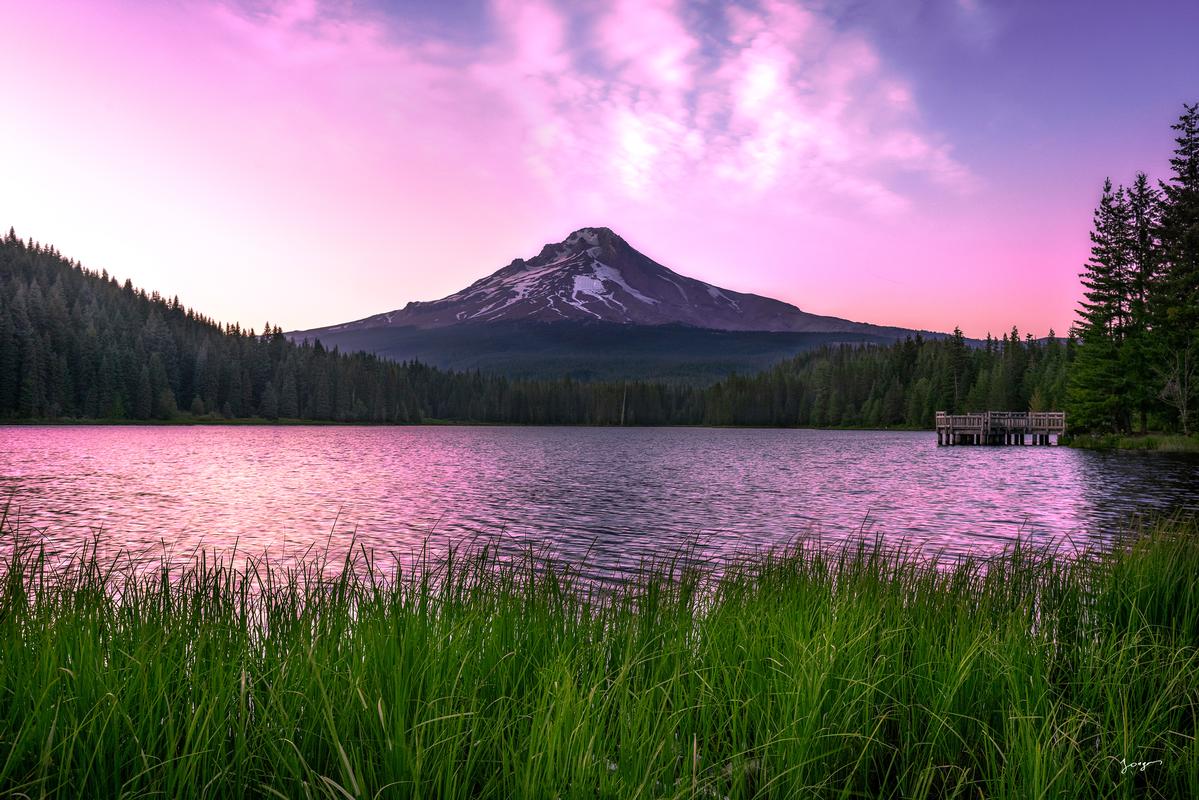
Match the Artwork to the Room — But Don't Match Everything
Artwork does not need to perfectly match the sofa, rug and pillows. In fact, trying to coordinate every color can make an interior look overly designed. Instead, look for relationships. A photograph might contain one subtle color that appears elsewhere in the room. Warm sunset light might complement walnut furniture. Cool coastal tones may contrast with warm wood. A predominantly neutral photograph may allow a highly textured interior to remain visually quiet.
Think in terms of harmony rather than exact color matching. The artwork should belong in the room without disappearing into it.
Acrylic vs. Metal vs. Canvas for Large Landscape Prints
Print material becomes increasingly important as artwork gets larger. For high-end photographic presentation, acrylic mounting can produce exceptional depth, clarity and dimensionality. At Jongas Fine Art Photography, photographs are printed on archival photographic paper and face-mounted behind TruLife optical acrylic rather than being printed directly onto acrylic. This distinction matters — face mounting preserves the characteristics of a photographic print while the optical acrylic enhances the viewing experience. The result works particularly well for detailed landscapes, dramatic skies, colorful autumn scenes and images containing significant depth.
Metal offers a clean, contemporary presentation. Because the presentation requires little visual ornamentation, metal photography can work particularly well in modern homes, offices and commercial interiors, and works well when you want the photograph itself to dominate rather than a traditional frame.
Canvas produces a softer, more traditional presentation. It can be appropriate for rustic, farmhouse and transitional interiors where the tactile character of canvas complements other natural textures. For highly detailed fine art photography, however, collectors should consider whether they prefer the softer character of canvas or the sharper presentation possible with acrylic and metal.
Large Landscape Photography vs. Mass-Produced Wall Art
There is an enormous difference between buying oversized décor and collecting a photographic artwork. Mass-produced wall décor is designed primarily to fill space. The same image may be reproduced thousands of times across numerous retailers and formats.
Limited-edition fine art photography approaches the wall differently. The photographer controls the image, edition, printing process and final presentation. At Jongas Fine Art Photography, prints are offered as signed and numbered limited editions and accompanied by a Certificate of Authenticity.
For someone furnishing a significant wall, this distinction can matter. A large artwork naturally attracts attention. Because it occupies so much visual space, investing in an image you genuinely want to continue looking at can be more important than simply finding something that matches the furniture. Browse the complete Fine Art Photography Prints collection.
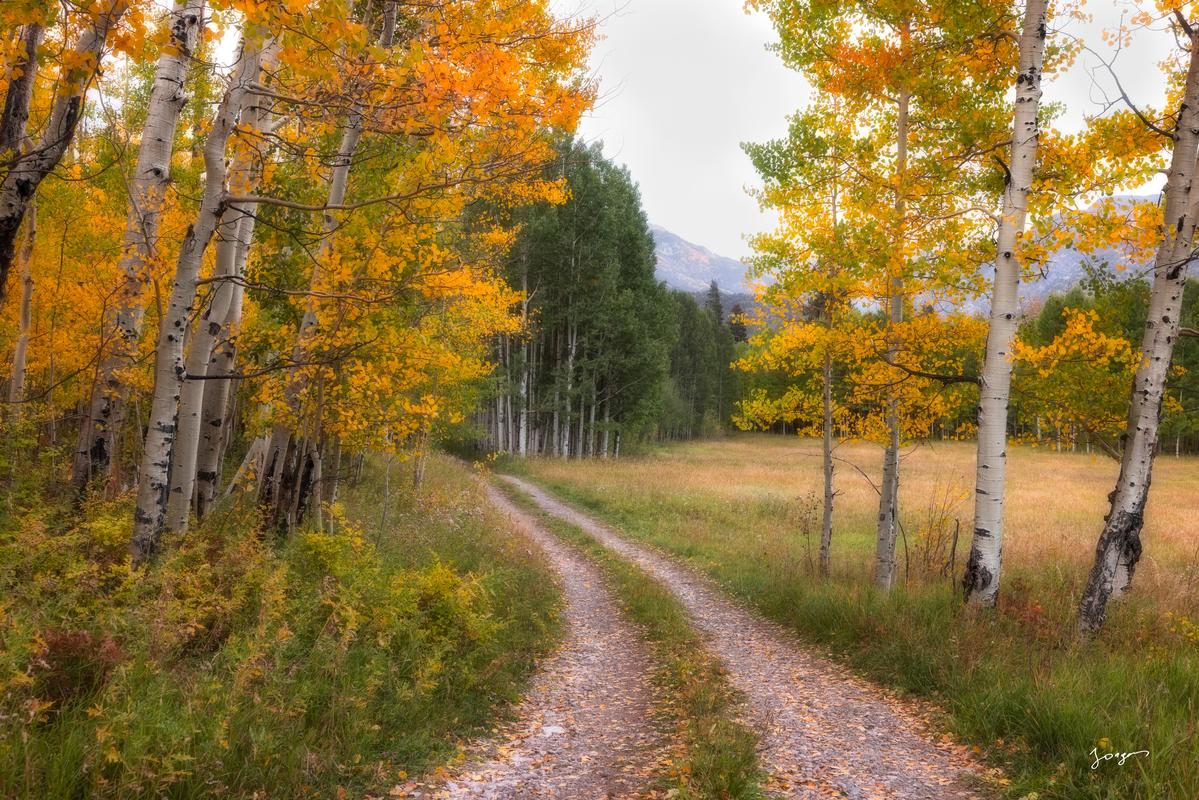
Consider Viewing Distance
Large photographs are designed to work at multiple distances. From across the room, viewers experience the overall composition. As they move closer, smaller details become visible. This ability to reward closer inspection is one advantage of high-resolution landscape photography at large scale. A highly detailed mountain, forest or cityscape might reveal dozens of elements that weren't immediately apparent from ten feet away — creating a different relationship with the artwork than an image designed primarily for quick decorative impact.
Don't Judge a Large Print Only From Your Phone
A photograph displayed five inches wide on a phone may ultimately become a photograph eight feet across. Those are completely different viewing experiences. Fine details that are nearly invisible on a screen may become significant elements in the final print. Similarly, areas that appear very dark on a phone may contain subtle textures and tonal transitions in a properly produced photographic print. When evaluating large artwork online, look closely at detail views, room mockups and available print information rather than relying solely on a thumbnail.
Lighting Large Landscape Wall Art
Lighting can dramatically influence how artwork looks once installed. Natural daylight often produces beautiful results, but its direction and intensity change throughout the day. Dedicated artwork lighting creates more control. Ceiling-mounted spotlights, recessed adjustable lights and picture lighting can all work depending on the room and installation. Avoid placing highly reflective artwork where unavoidable glare from windows or intense fixtures will interfere with viewing. The goal is to illuminate the artwork evenly without creating distracting hotspots.
Where Large Landscape Art Works Best
Although living rooms are the most obvious location, large landscape photography works throughout residential and commercial interiors. Consider it for living rooms, great rooms, primary bedrooms, dining rooms, home offices, entryways, staircases, executive offices, conference rooms, reception areas, hotels, restaurants and luxury vacation properties. Different locations call for different moods — a dramatic mountain panorama can provide energy in an office or great room, while a quieter ocean scene may be more appropriate for a bedroom.
Should You Buy One Large Artwork or Several Smaller Pieces?
Both approaches can work, but they create very different interiors. A gallery wall emphasizes variety. One oversized photograph emphasizes the image itself. If the wall is large and uninterrupted, a single statement piece often creates greater visual impact and a cleaner architectural relationship with the room. This is particularly true for landscape photography because a large print allows viewers to experience the environment rather than seeing it as one small object among many.
Horizontal, Vertical or Panoramic?
Let the architecture help determine the format. Horizontal landscape prints work naturally above sofas, beds and consoles. Vertical landscapes are useful between windows, beside fireplaces and on tall narrow walls. Panoramic landscape prints are particularly effective on wide walls where conventional proportions leave excessive empty space.
Rather than choosing the image first and forcing it onto the wall, consider both artwork and architecture simultaneously. The right proportions can make a print look as though it was created specifically for that space.
How to Choose Large Landscape Wall Art You Won't Get Tired Of
Interior trends change. Artwork doesn't necessarily have to. Instead of asking only whether a photograph matches your current décor, ask whether you actually have a connection with the image. Perhaps it reminds you of somewhere you've traveled. Maybe you love mountains, deserts or the Pacific coast. Perhaps a particular photograph creates the atmosphere you want to experience every time you enter the room.
That connection matters even more with large artwork because you will see it constantly. The strongest choice is usually an image that works with the interior and continues to hold your attention independent of the room around it.
Buying Large Landscape Wall Art Online
Buying a major piece of artwork online requires more consideration than ordering ordinary home décor. Before purchasing, verify exact dimensions, print material, mounting method, whether framing is included or required, edition size, artist signature, Certificate of Authenticity, shipping method and installation requirements. Large prints require particularly careful packaging and transportation.
Jongas Fine Art Photography offers limited-edition landscape photography in large formats, including panoramic pieces reaching 40 × 120 inches. Prints are signed and numbered, accompanied by a Certificate of Authenticity, and U.S. orders include free shipping.
Large Landscape Wall Art as the Centerpiece of a Room
The most successful interiors don't necessarily contain the most objects. They contain the right objects at the right scale. A single extraordinary landscape photograph can provide color, depth, texture and a focal point simultaneously. Instead of decorating around an empty wall, the artwork can become the element around which the rest of the room is organized.
That is where large landscape wall art becomes more than decoration. At sufficient scale, landscape photography can function almost like another architectural opening — a visual passage into mountains, forests, coastlines, deserts and places far beyond the room itself.
Explore Large Landscape Photography Prints
Jongas Fine Art Photography features limited-edition landscape photography by Eddie Jongas, including mountains, forests, coastlines, deserts and panoramic landscapes photographed throughout the American West and beyond. Each image is created as a finished piece of photographic art rather than mass-produced wall décor, with large-format options designed specifically for substantial residential and commercial walls.
Explore Landscape Photography Prints or browse the complete Jongas Fine Art Photography Collections to find artwork for your space.