The list of the most expensive artworks ever sold is not just a list of numbers. It is a collection of some of the strangest stories in human history: Nazi lootings and Supreme Court battles, a performance artist firing a revolver through a stack of Warhols, two nations signing a treaty over a pair of wedding portraits, a secret $46 million markup discovered through small talk on a Caribbean vacation. The money is astonishing. The stories behind the money are even better.
A note on the numbers: this list ranks artworks by the raw price actually paid at the time of each sale — the standard the art market itself uses — rather than adjusting historical sales for inflation. It also covers only known transactions; the art world conducts many of its largest deals privately, so the true list almost certainly contains entries the public has never heard about.
Van Gogh auction to watch: A rarely seen Vincent van Gogh landscape, Châtaigniers en fleurs, is heading to Sotheby's New York on November 18, 2026, with reported expectations around $180 million. If bidding reaches that level, it would shatter Van Gogh's current public-auction record. Read the full story about the $180 million Van Gogh auction ?
What is the most expensive artwork ever sold?
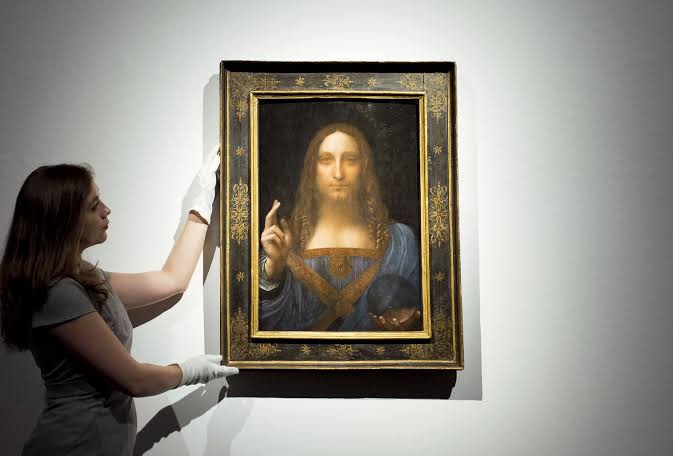
Salvator Mundi by Leonardo da Vinci holds the record, selling at Christie's in November 2017 for $450,312,500. The painting depicts Christ holding a crystal orb and had spent centuries lost, overp ainted, and misattributed before its rediscovery in the early 2000s.
What makes a painting worth hundreds of millions of dollars?
Extreme prices at the top of the art market are driven by a combination of verified authorship, documented provenance, absolute scarcity (no more can ever exist), and the weight of the story attached to the work. The physical object alone accounts for very little of the price.
Which artwork on the list has the most dramatic backstory?
Several compete for that title. Salvator Mundi went from $45 in 1958 to $450 million in 2017 and has not been publicly displayed since. Shot Sage Blue Marilyn has a literal bullet hole. Portrait of Elisabeth Lederer survived Nazi looting, and its subject used the painting to fake her own ancestry to escape deportation.
Who owns the most expensive artworks in the world?
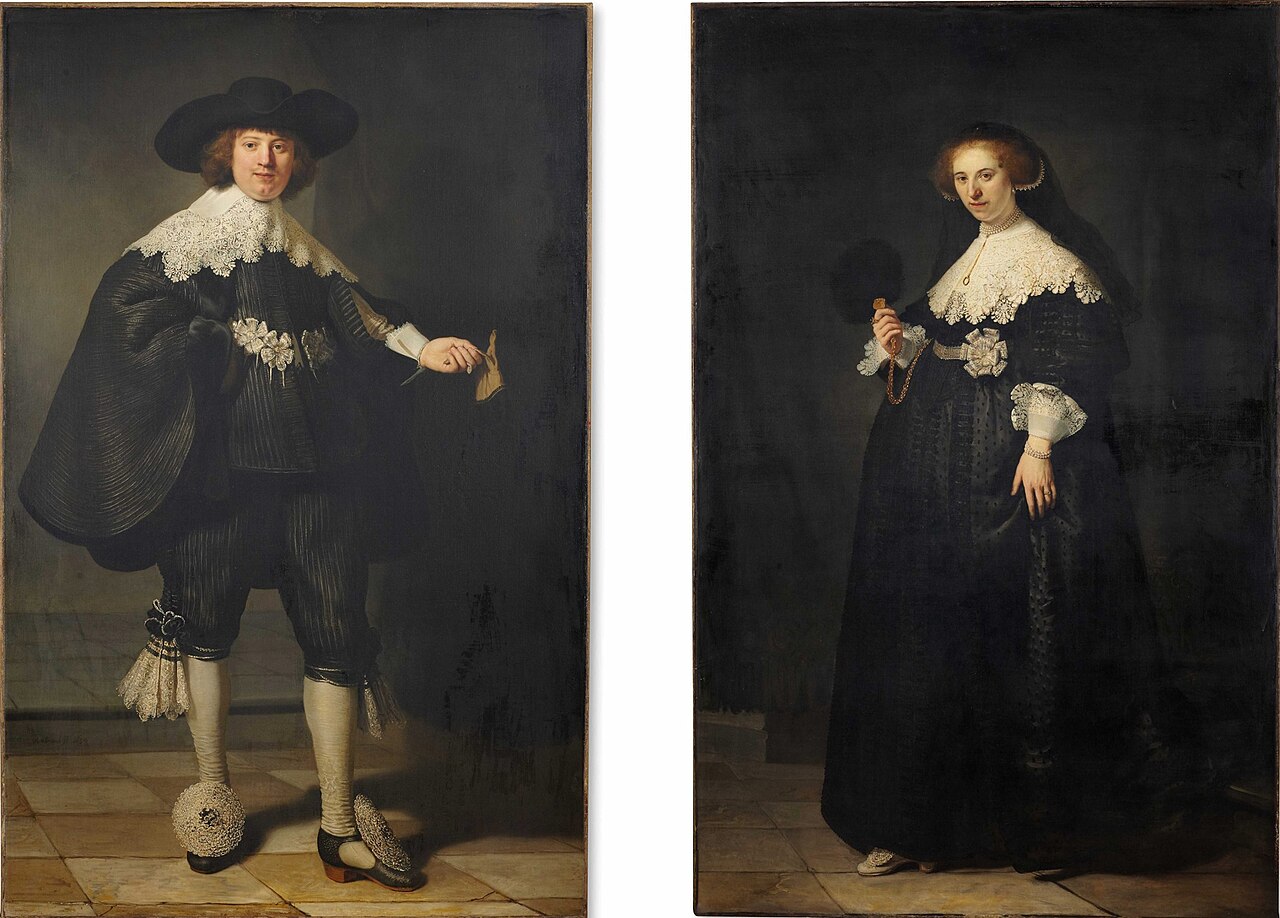
Ownership is split among sovereign wealth funds (Qatar's Royal Family owns the Cézanne and the Gauguin), private billionaires (Kenneth C. Griffin owns the de Kooning and the Pollock), national governments (the Rijksmuseum and the Louvre jointly own the Rembrandt pendant portraits), and undisclosed private buyers — including, reportedly, members of the Saudi and Thai royal families.
Are any of the ten most expensive artworks publicly accessible?
Yes. Willem de Kooning's Interchange and Jackson Pollock's Number 17A are both on display at the Art Institute of Chicago. Rembrandt's The Standard Bearer hangs in the Rijksmuseum. The pendant Rembrandt portraits alternate between Paris and Amsterdam. The others are in private hands or, in the case of Salvator Mundi, reportedly in storage.
What was the most expensive artwork sold at public auction in 2025?
Gustav Klimt's Portrait of Elisabeth Lederer sold at Sotheby's New York on November 18, 2025 for $236.4 million — the highest auction price for a modern artwork ever recorded and the second-highest auction total in art history.
The List at a Glance
- 1. Salvator Mundi — Leonardo da Vinci: $450.3 Million (2017)
- 2. Interchange — Willem de Kooning: ~$300 Million (2015)
- 3. The Card Players — Paul Cézanne: ~$250 Million (2011)
- 4. Portrait of Elisabeth Lederer — Gustav Klimt: $236.4 Million (2025)
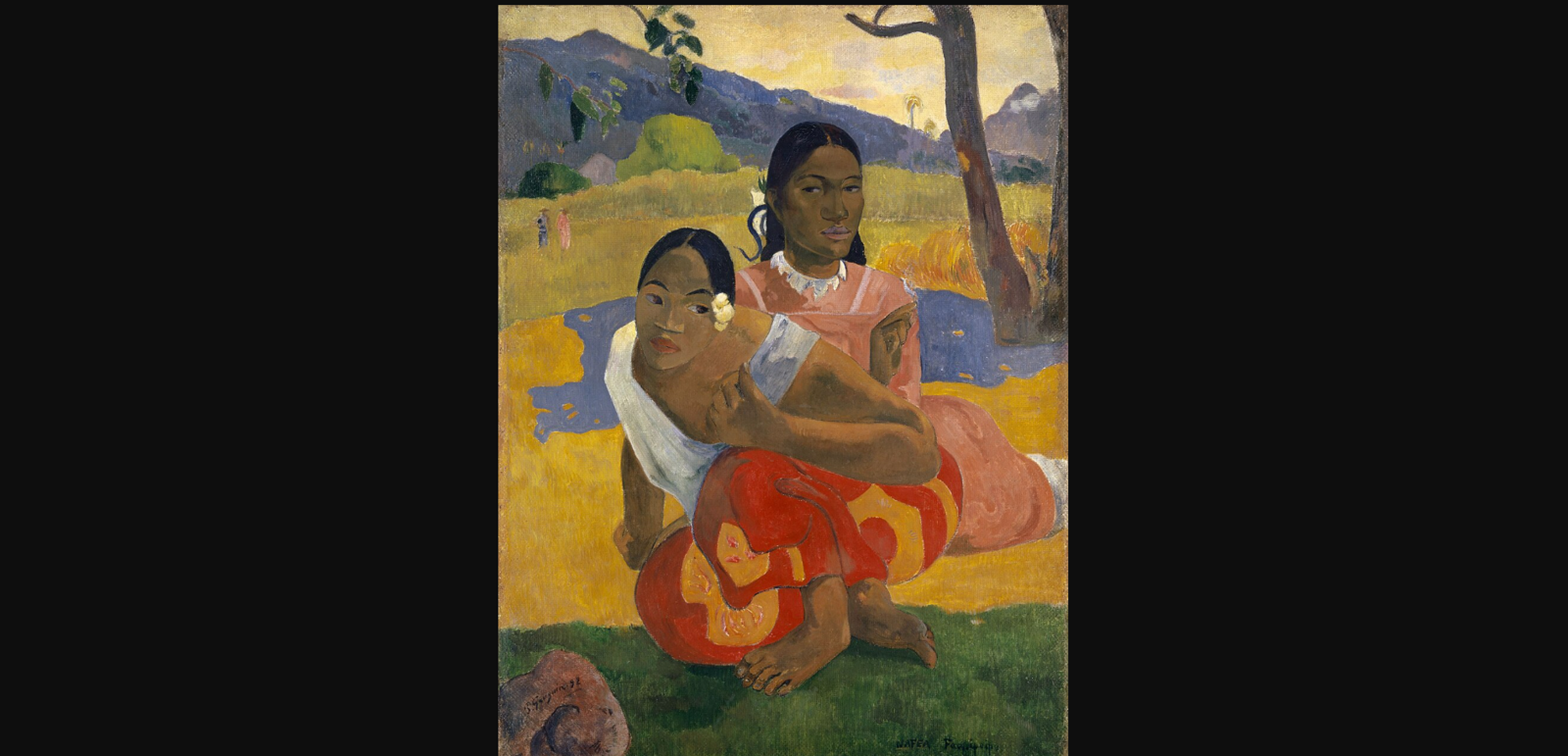
- 5. Nafea Faa Ipoipo? — Paul Gauguin: $210 Million (2014)
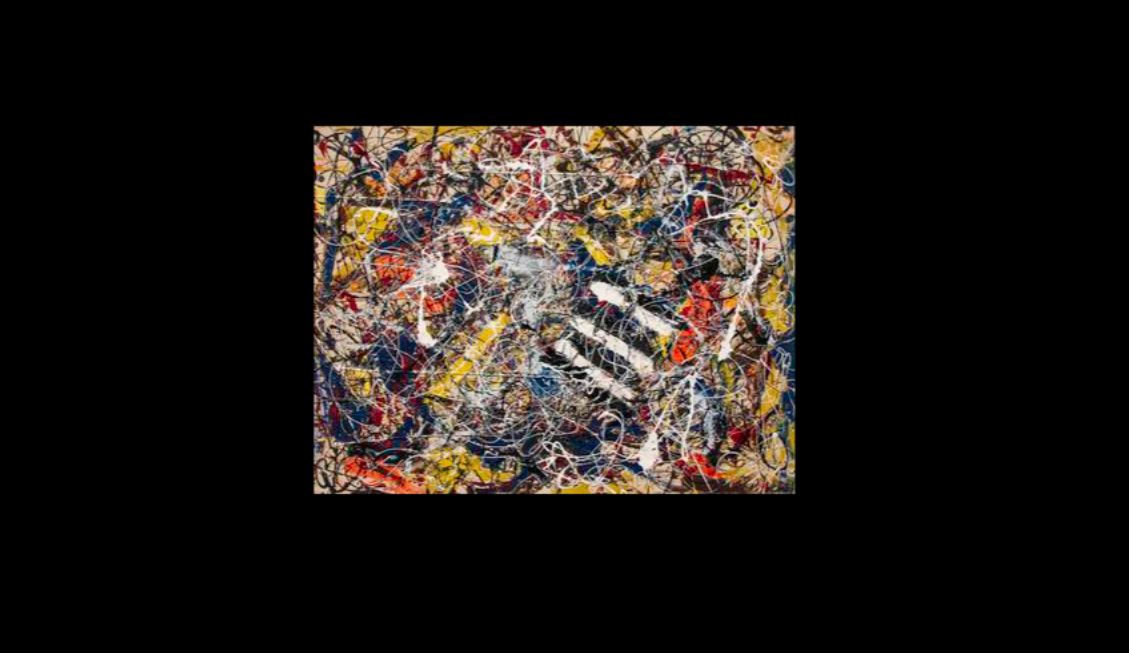
- 6. Number 17A — Jackson Pollock: ~$200 Million (2015)
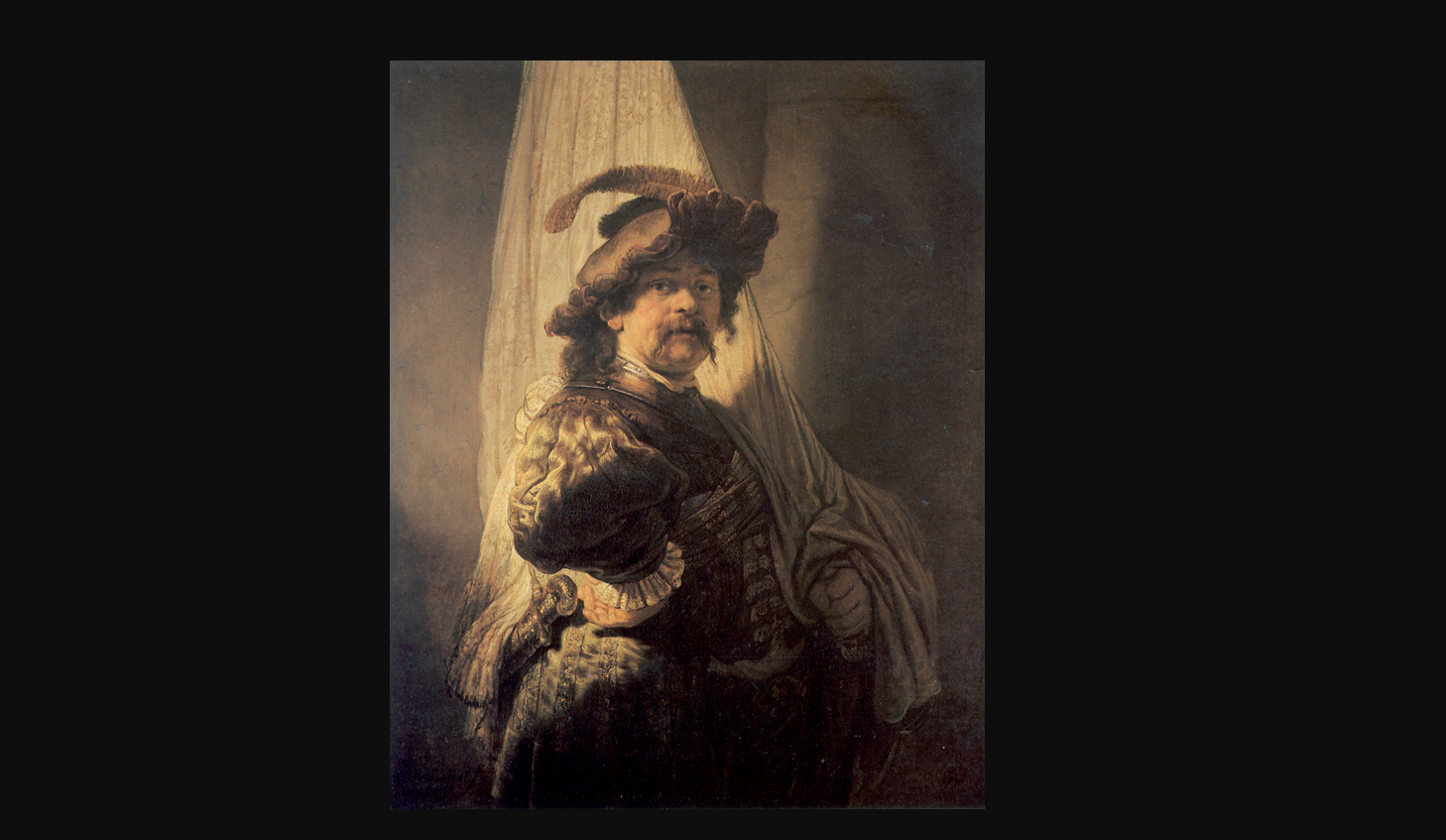
- 7. The Standard Bearer — Rembrandt van Rijn: ~$198 Million (2022)
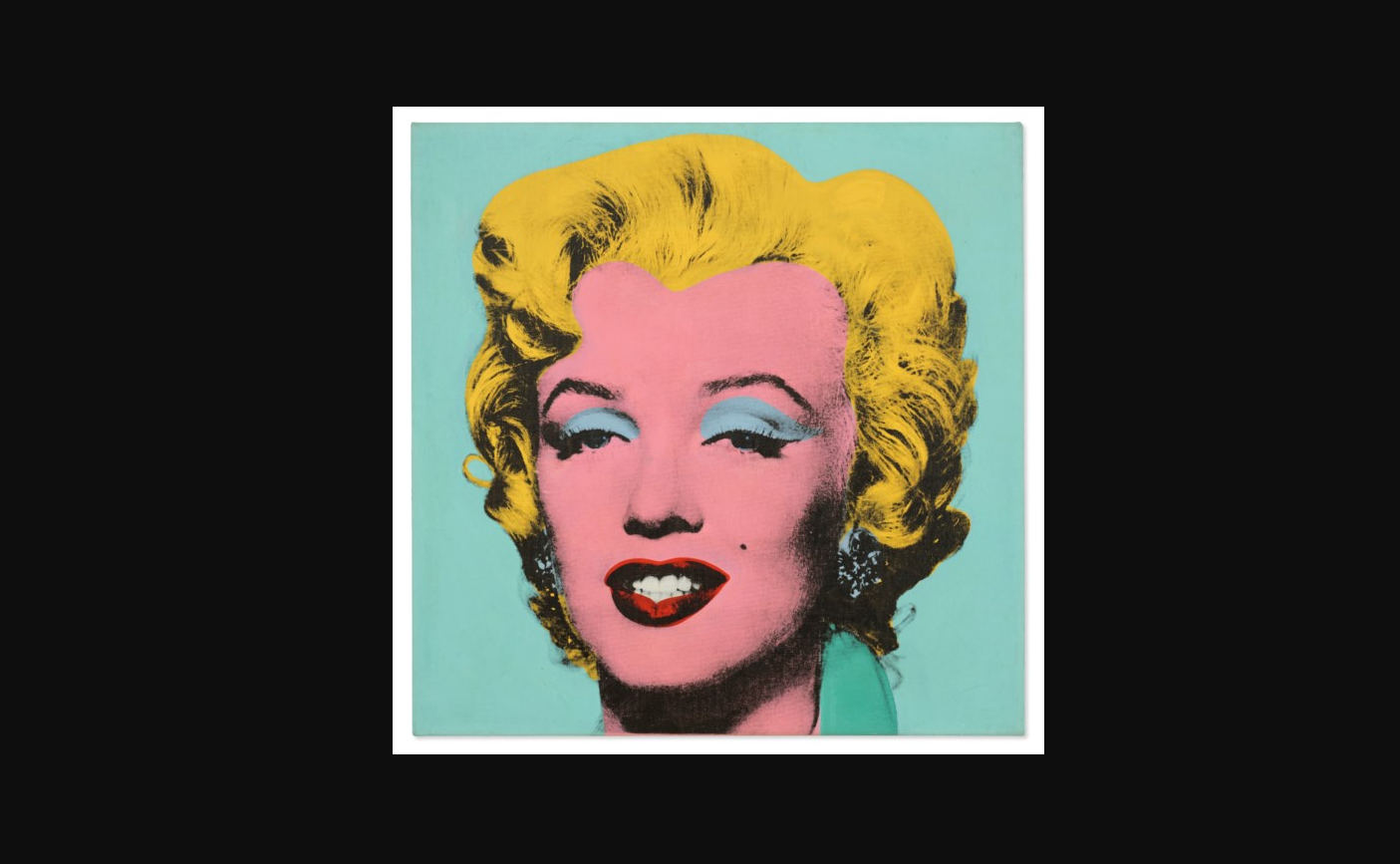
- 8. Shot Sage Blue Marilyn — Andy Warhol: $195 Million (2022)
- 9. Wasserschlangen II — Gustav Klimt: $183.8 Million (2012)
- 10. Pendant Portraits of Maerten Soolmans and Oopjen Coppit — Rembrandt: ~$180 Million (2015)
1. Salvator Mundi — Leonardo da Vinci — $450.3 Million
The most expensive artwork ever sold is also the most controversial. Salvator Mundi ("Savior of the World"), attributed to Leonardo da Vinci around 1500, depicts Christ holding a crystal orb. Its 500-year journey reads like a thriller: recorded in the royal collection of King Charles I of England in 1649, sold to settle royal debts after his execution, vanished from historical records for nearly 150 years after a 1763 auction.
When it resurfaced in 1900, it was unrecognizable — buried under decades of aggressive overpainting that had given Christ a clumsy beard and mustache. Believed to be a copy by a Leonardo student, it sold in 1958 for £45. In 2005, a consortium of dealers spotted it at a regional auction house in New Orleans and bought it for less than $10,000, sensing something underneath. Master restorer Dianne Dwyer Modestini found the crucial clue while stripping away the old paint: a pentimento — the thumb of Christ's right hand had been painted in one position, then moved. A copyist mimics the final image. Only the original artist changes their mind on the canvas.
After the National Gallery in London included the newly authenticated panel in its landmark 2011 Leonardo exhibition, the painting's value went vertical. Russian billionaire Dmitry Rybolovlev bought it in 2013 for $127.5 million. In November 2017, marketed by Christie's as "The Last da Vinci," it sold after a 19-minute bidding war for $450,312,500 to a Saudi prince bidding on behalf of the Saudi Ministry of Culture.
Then a planned unveiling of Da Vinci's masterwork at the Louvre Abu Dhabi was abruptly canceled, and the painting has not been publicly displayed since. Prominent art historians continue to dispute how much of the surface Leonardo actually painted versus his workshop assistants. The most expensive artwork in human history is currently believed to be resting in a climate-controlled storage facility in Saudi Arabia — unseen, disputed, and waiting.
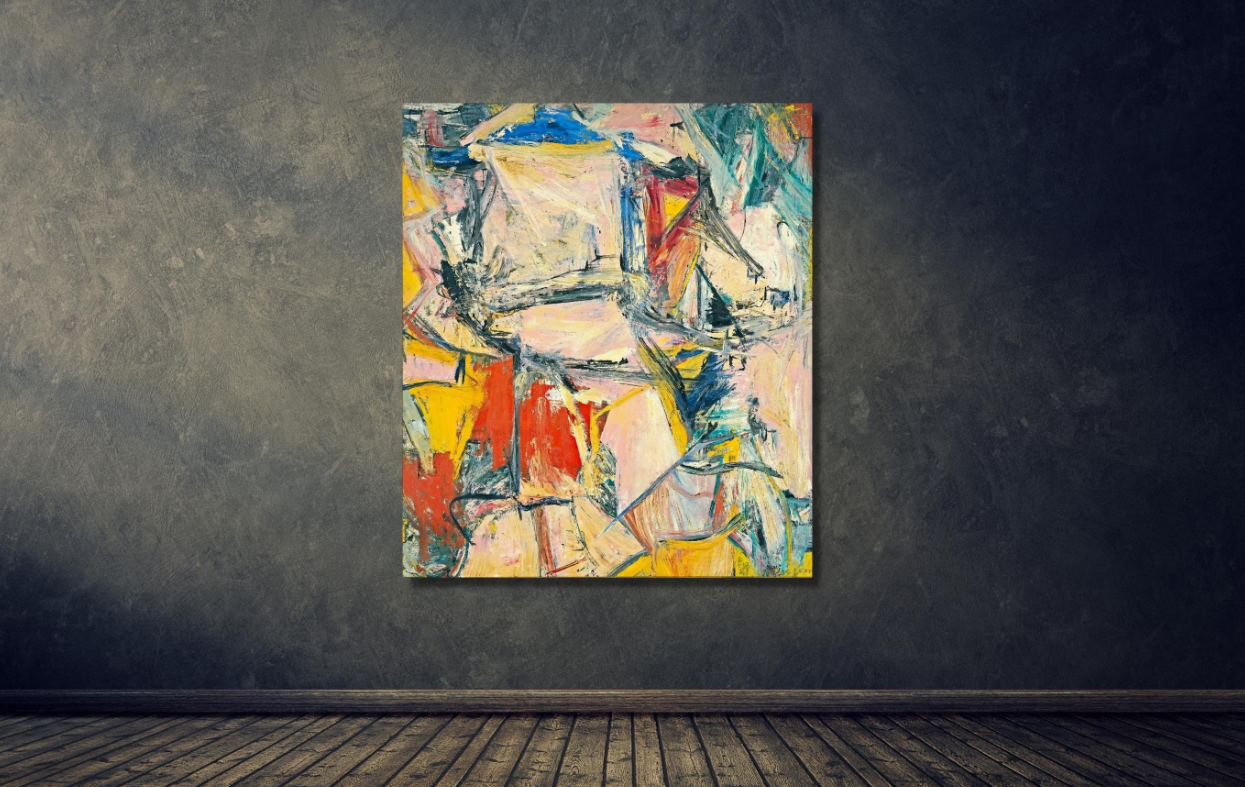
2. Interchange — Willem de Kooning — ~$300 Million
The second most expensive artwork ever sold — and the most expensive piece of contemporary art in history — is a painting that originally sold for $4,000. Willem de Kooning painted Interchange in 1955, at the moment he pivoted away from his controversial Woman series — six major canvases of distorted female figures, with related works like Woman and Bicycle now hanging at the Whitney Museum of American Art — toward the gritty urban energy of downtown New York. The title refers to the web of streets and traffic around his Fourth Avenue studio, rendered in sweeping, fleshy strokes of pink, orange, yellow, and blue.
Legendary dealer Sidney Janis sold it in 1955 to architect Edgar Kaufmann Jr. — whose family commissioned Frank Lloyd Wright's Fallingwater — for $4,000. When Kaufmann's estate auctioned it in November 1989, at the height of the Japanese asset bubble, it fetched a then-shocking $20.68 million, smashing the record for a living artist. The buyer, Japanese dealer Shigeki Kameyama, was forced to sell at a steep loss when the bubble burst. The painting landed with music mogul David Geffen, who held it for nearly two decades.
In 2015, Geffen sold Interchange and Jackson Pollock's Number 17A together to hedge fund billionaire Kenneth C. Griffin for a combined $500 million — roughly $300 million for the de Kooning alone. A painting that debuted at $4,000 had become one of the most valuable physical objects on earth in sixty years. Unlike most record-breakers, it did not vanish: Griffin loaned it to the Art Institute of Chicago, where the public can stand in front of it today.
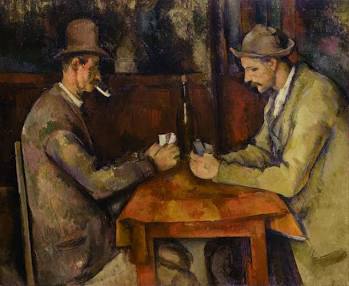
3. The (2)Card Players — Paul Cézanne — ~$250 Million
Paul Cézanne's The Card Players is not one painting but a series of five, created in the early 1890s at his family estate in Aix-en-Provence. Cézanne hired local farmhands — an old gardener named Père Alexandre, a laborer named Paulin Paulet — and painted them absorbed in their cards, transforming a tavern scene into something monumental and almost religious. He worked through five variations, progressively stripping away detail: from a five-figure composition down to two men facing off over a bottle of wine.
Four of the five now anchor major museums — the Musée d'Orsay, the Courtauld, the Metropolitan Museum of Art, and the Barnes Foundation — acquired generations ago through bequests and visionary early collectors when Cézanne was still affordable. The fifth remained in private hands, in the collection of Greek shipping magnate George Embiricos, and became the Holy Grail of private art holdings.
In 2011, the Royal Family of Qatar paid approximately $250 million — some estimates run closer to $300 million — to acquire it as an anchor for their developing museum district in Doha. At the time, it was the highest price ever paid for a work of art. The historical significance runs deeper than the number: Cézanne broke his figures down into basic geometric forms, and a decade later Picasso and Braque used exactly those structural experiments to invent Cubism. Picasso called Cézanne "the father of us all."
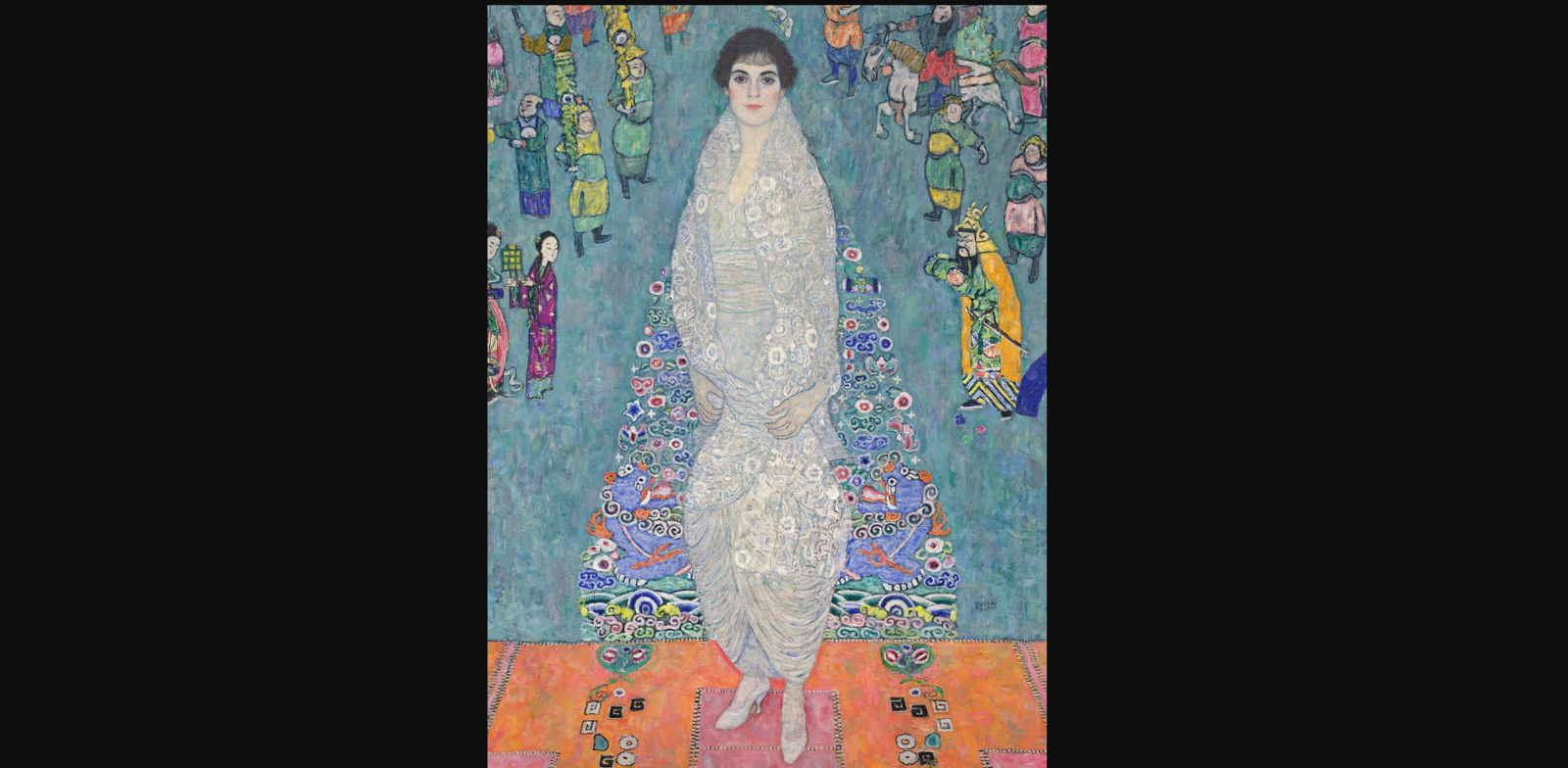
4. Portrait of Elisabeth Lederer — Gustav Klimt — $236.4 Million
The most recent arrival on this list carries one of its most extraordinary stories. Commissioned in 1914 by the Lederers — one of Vienna's wealthiest Jewish families and Klimt's most important patrons — the six-foot portrait of their 20-year-old daughter took so long that her mother reportedly marched into Klimt's studio in 1916, took the painting off the perfectionist's easel, and declared it finished herself.
After the Nazi annexation of Austria in 1938, the family's art collection was looted by the Gestapo. Fifteen of their core Klimt paintings were stored at Immendorf Castle, which retreating German forces burned in 1945 — incinerating all fifteen. Portrait of Elisabeth Lederer survived only because Nazi officials had deemed portraits of Jewish subjects "of little value" and left it behind in Vienna. The painting also saved its subject's life: facing deportation, Elisabeth and her mother fabricated a claim that Klimt — who was not Jewish, and famous for affairs with his models — was her biological father. The Nazi Ancestry Office accepted the ruse, granting her protected status until her death from illness in 1944.
The portrait spent 40 years in the Manhattan dining room of Estée Lauder heir Leonard Lauder. After his death in June 2025, it headlined Sotheby's New York on November 18, 2025 — and after a 20-minute bidding war among six phone bidders, it hammered at $236.4 million, the most expensive modern artwork ever sold at public auction and the second-highest auction price in history.
"A walnut board that sold for $125 in 1958 and $450 million in 2017 is the same physical object. What changed was everything around it: attribution, authentication, provenance, scarcity, and story."
5. Nafea Faa Ipoipo? (When Will You Marry?) — Paul Gauguin — $210 Million
Painted in 1892 during Gauguin's first stay in Tahiti, Nafea Faa Ipoipo? depicts two Tahitian women against a vivid landscape of orange, green, and blue — part of the body of work through which Gauguin, for better and worse, constructed the Western art world's image of French Polynesia. For over half a century the painting was on long-term loan to the Kunstmuseum Basel from the collection of the Swiss Staechelin family, making it a fixture of European museum-going.
In 2014, the family trust sold it privately for approximately $210 million — briefly reported as the most expensive artwork ever sold at the time — to the Royal Family of Qatar, joining Cézanne's Card Players in the same sovereign collection being assembled for Doha's museum district. Qatar's back-to-back acquisitions of the Cézanne and the Gauguin announced a new reality in the art market: nation-states with sovereign wealth funds had entered the bidding, and no private collector, however wealthy, could reliably outbid a country.
6. Number 17A — Jackson Pollock — ~$200 Million
In an unheated barn in Springs, New York, in 1948, Jackson Pollock laid a sheet of fiberboard flat on the floor, abandoned the easel and the brushstroke entirely, and flung, dripped, and poured liquid household enamel from above — using sticks, trowels, and his entire body to direct dense webs of white, black, yellow, and blue. He numbered his paintings instead of naming them, wanting viewers to stop hunting for hidden objects and simply experience the raw movement of the paint. In August 1949, Life magazine ran a four-page feature asking "Is he the greatest living painter in the United States?" — and the mocked underground radical known as "Jack the Dripper" became a household name overnight.
Number 17A, created at the absolute peak of his 1947–1950 drip period, eventually passed into the collection of David Geffen, who recognized that top-tier Pollocks from those four years were a strictly finite asset — no more would ever exist. In the 2015 Geffen–Griffin transaction described above, it sold for approximately $200 million, the most expensive Pollock ever. Like Interchange, it went on display at the Art Institute of Chicago rather than into a vault — making Chicago, quietly, the home of a half-billion dollars of abstract art from a single purchase.
7. The Standard Bearer — Rembrandt van Rijn — ~$198 Million
In 1636, an ambitious 30-year-old Rembrandt painted himself in extravagant 16th-century military costume — feathered hat, steel gorget, sword — as an elite militia standard-bearer. The painting was a visual résumé, a masterclass in chiaroscuro designed to win him Amsterdam's lucrative civic guard commissions. It worked: within a few years he was painting The Night Watch.
The Standard Bearer passed through the collection of King George IV of England before the Rothschild banking family acquired it in 1840 and held it privately for over 170 years. When the family sought to sell in 2019, French law gave the Louvre 30 months of first refusal at €160 million — a sum the museum, strained by pandemic-era closures, could not raise. The moment France stepped aside, the Netherlands moved. In a fast-tracked public-private partnership — €150 million from the Dutch state, the remainder from the Rembrandt Association and the Rijksmuseum Fund — the nation bought the painting for €175 million (about $198 million) in early 2022.
The Dutch government then sent it on a celebratory tour of all twelve provinces before installing it permanently in the Rijksmuseum's Honor Gallery — a few rooms away from The Night Watch, the masterpiece it was painted to win, nearly 400 years earlier.
8. Shot Sage Blue Marilyn — Andy Warhol — $195 Million
The most expensive work by an American artist ever sold at auction has a bullet hole in its history. After Marilyn Monroe's death in 1962, Andy Warhol — fascinated by the collision of celebrity, consumerism, and mortality — cropped a promotional still from her film Niagara tightly around her face and turned it into a universal icon. In 1964, using a newly refined silkscreen technique that replaced his earlier deliberately messy registration with flawless, luminous precision, he produced five 40-by-40-inch Marilyns, each on a different ground: red, orange, light blue, turquoise, and sage blue.
Shortly after they were finished, performance artist Dorothy Podber walked into The Factory dressed in black leather, saw the freshly painted canvases stacked against a wall, and asked Warhol if she could "shoot them." Assuming she meant with a camera, he said yes. She drew a small German pistol from her purse and fired a single bullet through Marilyn's forehead, piercing four of the five stacked canvases. Warhol banned her from The Factory for life, patched the holes, and — understanding mythology better than anyone alive — renamed the group The Shot Marilyns.
The sage blue version passed through a blue-chip pedigree of collectors — Leon Kraushar, S.I. Newhouse, the Ammann siblings of Zurich — before the Thomas and Doris Ammann Foundation consigned it to Christie's in May 2022, with all proceeds directed to children's charities. It sold in under four minutes for $195 million to dealer Larry Gagosian, bidding for an unnamed client. The full story of Warhol's Factory, his silkscreen revolution, and the philosophy behind the repetitions is told in the Jongas conceptual art guide and the dedicated Warhol article.
9. Wasserschlangen II (Water Serpents II) — Gustav Klimt — $183.8 Million
Painted in 1907 — the same year as The Kiss — at the height of Klimt's Golden Phase, Water Serpents II depicts sensuous, intertwined water nymphs across a canvas encrusted with real gold and silver leaf. The mythological framing was a deliberate shield: by calling the embracing female figures "nymphs," Klimt slipped an openly sensual image past the censors of imperial Vienna.
Its 20th-century history is dark. The painting belonged to Jenny Steiner, a Jewish Viennese textile magnate who fled the Holocaust; the Nazis seized it and sold it in 1940 to Gustav Ucicky — a Nazi propaganda filmmaker who was also, remarkably, one of Klimt's illegitimate sons. It hung in his home through the war and remained hidden with his widow for five decades. In 2012, a confidential Sotheby's-brokered restitution settlement split the proceeds of a private sale between Ucicky's foundation and Steiner's heirs.
What followed became art market legend. Swiss dealer Yves Bouvier bought the painting for $112 million — then flipped it months later to his own client, Russian billionaire Dmitry Rybolovlev, for $183.8 million, quietly pocketing a $71.8 million markup. When Rybolovlev discovered the scheme (through a chance conversation on vacation in St. Barts that also exposed a $46 million markup on a Rothko), it ignited the "Bouvier Affair" — a global legal war spanning Monaco, Singapore, Switzerland, and New York over nearly $1 billion in alleged markups across 38 purchases, including Salvator Mundi itself. The painting was later sold to a buyer acting for Princess Sirivannavari of Thailand and now resides, unseen, in the Thai Royal Family's private collection in Bangkok.
-Klimt-1904.jpeg)
10. Pendant Portraits of Maerten Soolmans and Oopjen Coppit — Rembrandt — ~$180 Million
In 1634, a wealthy young Amsterdam couple commissioned the 28-year-old Rembrandt to paint their wedding portraits at full length and life size — a format legally and socially reserved, at the time, for royalty. The two canvases were designed as permanent partners: Maerten looks right toward Oopjen, extending a glove; she faces left toward him. They were painted never to be separated.
They never have been. After 138 years in the Rothschild family's private Parisian townhouses, the portraits came up for sale in 2014 at €160 million — triggering a tense standoff between France, where they resided, and the Netherlands, which considered them essential national heritage. Neither the Louvre nor the Rijksmuseum could afford both. The solution was unprecedented: the two nations bought them together, France acquiring Oopjen and the Netherlands acquiring Maerten, bound by an ironclad treaty that the pair must always be exhibited together. They now alternate between Paris and Amsterdam in multi-year rotations — a married couple with joint custody arranged by two governments, still side by side after nearly 400 years.
What These Prices Actually Mean
Strip away the zeroes and a pattern emerges from all ten stories. Not one of these prices is explained by the physical object alone — the canvas, the pigment, the panel. A walnut board that sold for $125 in 1958 and $450 million in 2017 is the same physical object. What changed was everything around it: attribution, authentication, provenance, scarcity, and story.
The mechanisms that drive value at the top of the art market are specific and consistent. Verified authorship — the pentimento under Christ's thumb was worth roughly $450 million, because it proved the original artist's hand. Documented provenance — every entry on this list travels with a paper trail of royal collections, famous owners, and legal settlements that is inseparable from its price. Absolute scarcity art — there will never be another peak-period Pollock, another authenticated Leonardo, another Shot Marilyn. And the story — a bullet hole, a Nazi looting survived, a mother snatching a canvas off an easel — is not incidental to the value. It is a load-bearing part of it.
These same mechanisms operate at every level of fine art collecting, not just the sovereign-wealth-fund tier. A signed, numbered print from a strictly controlled limited edition, documented with a Certificate of Authenticity, carries the same structural features that make the works on this list valuable: verified authorship, documented scarcity, and a provenance trail that begins the day it leaves the artist's hands. The details of how edition size and authentication work in fine art photography are covered on the Jongas print creation page — and for what these dynamics look like in the photography market specifically, including the most expensive photographs ever sold, the Jongas blog covers that territory in depth.
The ten objects on this list are beyond the reach of nearly everyone on earth — several are beyond the reach of the Louvre. But the principle they demonstrate is not: art acquires value through authenticity, scarcity, and story. That principle is available to any collector, at any level, who chooses work that carries all three.
Read the full Andy Warhol story →
What Is Conceptual Art? From Duchamp's Urinal to the $6.2 Million Banana →
Explore the Jongas Fine Art Collections →
Eddie Jongas is a modern fine art photographer based in Las Vegas, Nevada. His TruLife acrylic-mounted limited edition prints are available exclusively through jongasfineartphotography.com. Free shipping to all 50 states.
