If you're looking to get a canvas art print, you would no doubtedly come across the website called iCanvas (www.icanvas.com). It's one of the largest online marketplaces competing with Great Big Canvas, Canvas Champs, Elephant Stock and others. All these canvas art online stores offer similar canvas art prints of various subjects and different categories like landscape, cityscapes, animals, aspen tree art, portraits and even motivational art and others. In this blog post I will attempt to fully review iCanvas and give you some tips on what canvas art is, where to buy it besides iCanvas. And whether you should buy it to begin with or perhaps choose a better quality art to decorate your home with.
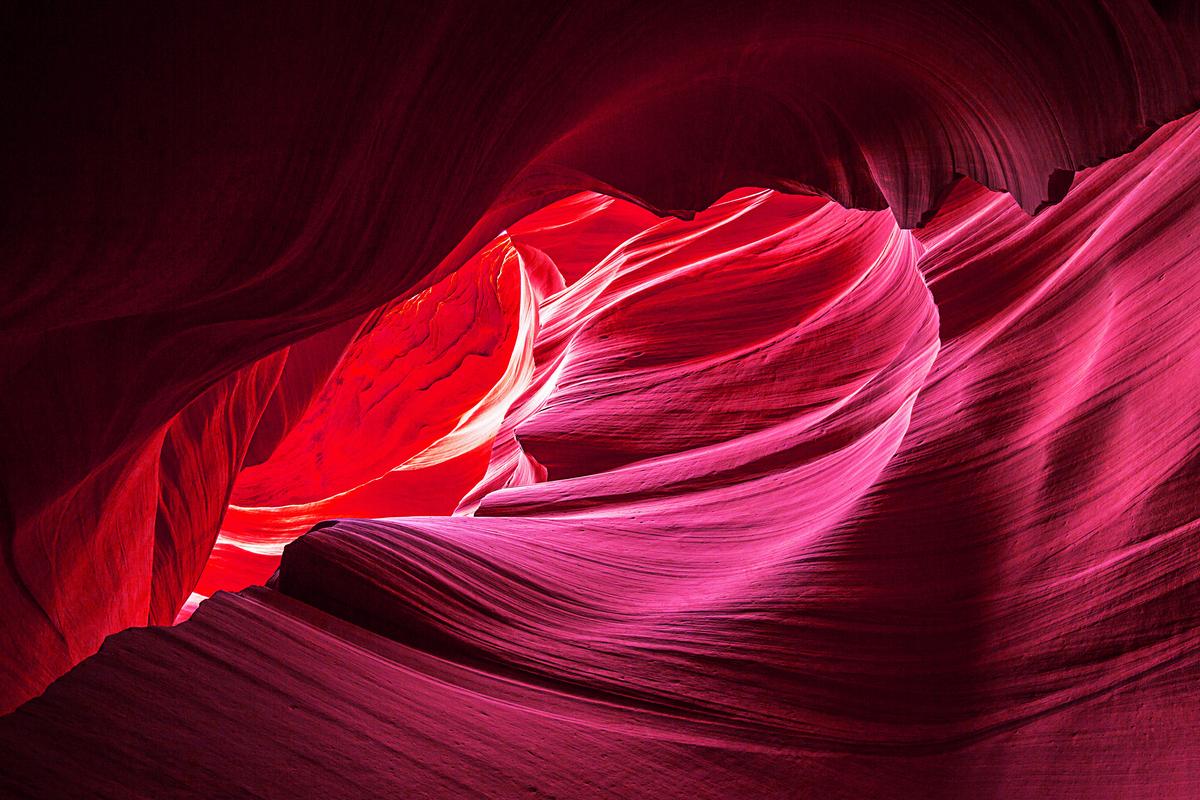
A Reputable Canvas Wall Art Marketplace — Complete Review
iCanvas — operating online as www.icanvas.com — is a U.S.-based e-commerce retailer specializing in canvas wall art, framed prints, and home decor. It's registered as iCanvas Inc. (also doing business as Kroto, Inc.), headquartered at Morton Grove, Illinois, just outside Chicago, where the company handcrafts each piece.
iCanvas operates as a direct-to-consumer storefront at icanvas.com, with an additional retail presence through partners such as Bed Bath & Beyond, where its canvas and framed art are listed under the iCanvas brand. The company was founded in 2006, starting as a small printing operation run out of a garage before growing into one of the larger dedicated online sellers of canvas art.
Their catalog is broad and built around independent and exclusive artists. Subjects span landscapes, abstracts, florals, cityscapes, and photography, with palettes ranging from soft neutrals to bold saturated color. Fine art reproductions cover traditional, Impressionist, and contemporary periods — landscape paintings, figurative work, still lifes, and decorative studies. They also carry a substantial photography collection, from black-and-white to vibrant color work, along with dedicated minimalist, abstract, and modern decor lines, and collaborate with individual artists for exclusive and limited-edition pieces. Their city-themed collection spans street scenes and city skylines from New York, Paris, London, Seattle, and other major city photography, available in both color and black-and-white treatments, including panoramic formats.
Most of it is available as standard canvas prints, framed canvas, large and oversized formats including 3-piece triptychs and panoramic sets, plus acrylic glass prints and magnetic "Steelpix" metal art for tool-free hanging. It's a large catalog aimed squarely at the home decor market, organized so customers can shop by subject, style, artist, or room type.
Canvas Prints — What Are They? Why Are They So Cheap, Are Canvas Prints Worth It?
A canvas print is a digital image printed onto woven fabric canvas, then stretched over a wooden frame — what printers call stretcher bars — so it mimics the physical presence of an original painting. Unlike a paper print, which needs glass and a frame to be displayed properly, a canvas print is its own structure. It arrives ready to hang, no additional framing required. That's a big part of why interior designers, hotels, and homeowners use them to fill large wall spaces affordably — they solve the framing problem and the size problem at the same time, for a fairly small amount of money.
If you shop around at places like iCanvas, Great Big Canvas, Elephantstock, or similar retailers, you'll routinely see large canvas prints selling for $20 to $50. That price isn't a discount or a gimmick — it's an accurate reflection of what it actually costs to produce one. Here is why.

First, the image that is printed on canvas itself isn't being created each time. With an original painting or fine art photography print, you're paying for an artist's years of training, field time, creativity and work they put in to make it nearly perfect. With a canvas print on most of these canvas art websites, the digital file already exists (no one has to create one), and printing one literally takes a few minutes of time.
Second, the production itself is highly automated. Modern print-on-demand facilities use computerized cutting tables, industrial inkjet printers, and automated stretching machines that can produce thousands of canvases a day with very little human involvement — which drives the labor cost per piece down to almost nothing.
Third, the materials are inexpensive. Standard polyester canvas, bulk ink, and pine or MDF stretcher bars cost a small fraction of what premium materials like face-mounted acrylic or archival metallic paper cost. And fourth — canvas is self-framing, so there's no separate cost for glass, matting, or an external frame.
There's one more factor worth mentioning: a lot of budget canvas retailers rely heavily on public domain art — Van Gogh, Monet, work that's out of copyright — or royalty-free stock photography, rather than paying living artists for original work. When the intellectual property cost is zero or close to it, that savings gets passed straight to the customer. This is basically a reality of how canvas wall art is mass produced and the reason why they're priced the way they are.
While iCanvas relies to on work produced by independent artists, the price they pay for that remains very low indeed, artists receiving 5%–15%, which isn't very significant.
Is Framed Canvas Art More Valuable Than Unframed Canvas Print?
This depends entirely on what kind of value we are talking about — marketability at the point of sale, or actual long-term investment value, because those are two very different things.
For mass-produced decor, framing is mostly about consumer psychology. A raw, unframed canvas can feel unfinished to a buyer — like a work in progress. Adding a clean floater frame instantly signals "finished and gallery-ready". Galleries and independent sellers regularly find that a good floater frame lets them increase the price by 15 to 30 percent above the combined cost of the art and the frame itself. It removes the homework from the buyer — they don't have to go find a frame shop afterward.
For traditional art or modern fine art photography, the rules are different. A high-end, hand-crafted frame — carved wood, closed corners, like italian Roma Moulding frame — has its own intrinsic material value, and a knowledgeable appraiser will value the artwork and the frame as two separate things. If an artist personally selected or designed the framing as part of how the piece was meant to be presented, changing that framing can actually hurt the artwork's provenance. And on the flip side — a cheap plastic frame on a genuinely good print brings the whole presentation down.
Framing can also protect the canvas print: the edges and corners of a wrapped canvas are its most vulnerable points, prone to scuffing and fraying, and a frame protects them. Large canvases on thin stretcher bars can warp with humidity changes over time, and a sturdy external frame keeps that tension even.
So to answer the question — if the framing adds value to a canvas print? For a decor piece, yes, in terms of how easily it sells and how finished it looks. For a fine art piece, the frame is either part of the artist's intended presentation or it's a separate decision entirely, and either way the print itself is what carries the value.
What Type of Canvas Is Used for Mass Production Canvas Art Printing?
This is the part most people never think about, and it actually matters quite a bit if you're trying to understand what you're buying.
Canvas Types at a Glance
- 100% Polyester: Synthetic, lightweight, smooth weave. Affordable and dimensionally stable — won't sag with humidity. Holds crisp detail well but lacks the tactile texture of a traditional painting. Standard for high-volume commercial decor and budget online shops.
- 100% Cotton: Natural fibers, heavy and irregular weave that genuinely feels like an artist's canvas. Rich, deep blacks and excellent ink load capacity. More sensitive to humidity; can sag on large frames over time. Used for fine art reproductions, museum-grade giclée prints, and premium portfolios.
- Poly-Cotton Blends (65/35 or 60/40): Cotton for authentic texture, polyester for stability and crack resistance. Stretches well without warping. Found in professional photography displays and higher-end retail wall art.
- Matte Finish: Non-reflective, absorbs glare completely. Great in bright rooms or for art with deep, velvety blacks.
- Satin Finish: Soft sheen boosts color and contrast without mirroring. A solid middle ground for landscape and nature photography.
- Gloss Finish: Highly reflective; makes colors and fine detail pop intensely, giving photographic prints a vibrant, almost liquid look.
- Innova Art (Premium): UK-manufactured canvas engineered for archival giclée printing. High Dmax blacks, wide color gamut, flexible anti-cracking coating, and no optical brightening agents — meaning no yellowing over time.
I have also tried putting resin-type of finish over a canvas print that made it look like an acrylic mounted finish — a very glassy look that looks almost like a mirror. While it does look good and completely transforms the canvas print, the effort, in my opinion, was not worth it. With the costs and lots of room for error, its better just to opt for a metal print or go directly to acrylic print if you want something really glossy for a less cost than a gallery quality acrylic mounted print.
The point of all this: when someone says "canvas print," that phrase covers an enormous range, from a $20 polyester print that will look fine for a few years on a guest room wall, to a $200 poly-cotton giclée on Innova media that holds up genuinely well over time. Both are "canvas." Yet they are not the same product.

What Is The Shopping Experience Like at iCanvas?
To find this answer I mainly looked into reviews people were leaving about this company, and the honest answer is a mix of various opinions — which, to be fair, are not bad at all.
On Trustpilot, iCanvas holds roughly a 4.5/5 rating across over 57,000 reviews — reviewers consistently praise the website's ease of navigation, the huge selection of artwork and frames, vibrant color reproduction, careful packaging, and responsive customer service.
On consumer review sites like Reviews.io, iCanvas's return process draws more mixed feedback — while customer service is generally described as prompt and helpful, several reviewers note that returns aren't actually free, with one mentioning an $85 return fee on a large canvas print and another describing a roughly $60 return shipping charge amounting to nearly half the print's cost.
On consumer protection platforms like the Better Business Bureau, complaints largely center on color accuracy — customers reporting that a piece's colors (for example, a "gray" floral print arriving with brown tones) looked noticeably different in person than they appeared on the product page, with iCanvas's response typically being to offer a free return label rather than dispute the claim.
The store policies worth knowing about before you order: iCanvas offers a 60-day money-back guarantee starting from the date of purchase, and states that customers can return or exchange an order for any reason within that window. Returns must include a Return Merchandise Authorization (RMA) form, be in original condition with original packaging, and free return shipping labels are offered for orders within the lower 48 (contiguous states) — though this excludes oversized prints, which is where the additional return shipping fees might accrue.
"When someone says 'canvas print,' that phrase covers an enormous range — from a $20 polyester print to a $200 poly-cotton giclée on Innova media. Both are 'canvas.' Yet they are not the same product."
How does that compare to the bigger players?
Great Big Canvas (www.greatbigcanvas.com) is the market leader — a huge curated database of independent art and photography with frequent sales and strong framing options, though customer service can feel automated and shipping can be delayed around the holidays.
MyGreatCanvas (www.mygreatcanvas.com) sits at a lower price point with a niche catalog built around personalized travel maps and rustic/coastal home decor, printed and shipped from Florida and Texas facilities — a solid option if a specific personalized product is what you're after, though its return policy is stricter, with no returns accepted on customized items or size mistakes.
CanvasChamp is the budget end, with unbeatable prices, frequent multi-buy deals, smooth polyester canvas that can look noticeably cheaper but with color accuracy that varies. ElephantStock focuses on high-end modern layouts and multi-panel sets, with good room-visualizer tools, at slightly higher prices and quick shipping.
To sum it up: when it comes to canvas art prints, if you want a large catalog of work from independent and exclusive artists, with solid color gamut and genuinely decent craftsmanship, and a generous 60-day return window — other than possible additional costs for return shipping on oversized pieces — iCanvas is a truly solid choice.
How Do Canvas Art Prints Compare to Modern Fine Art Photography Prints?
Besides just assuming the obvious, lets take a deeper dive and look at both print surface types in detail.
A mass-produced canvas print is built for speed and low cost — typically synthetic polyester canvas, printed on high-speed industrial machines, wrapped around lightweight pine or MDF stretcher bars. Visually, canvas has a textured, matte surface that absorbs light. Because the ink sinks slightly into the fabric, there's a ceiling on how deep the blacks can get, and fine detail can soften slightly under the texture of the weave.
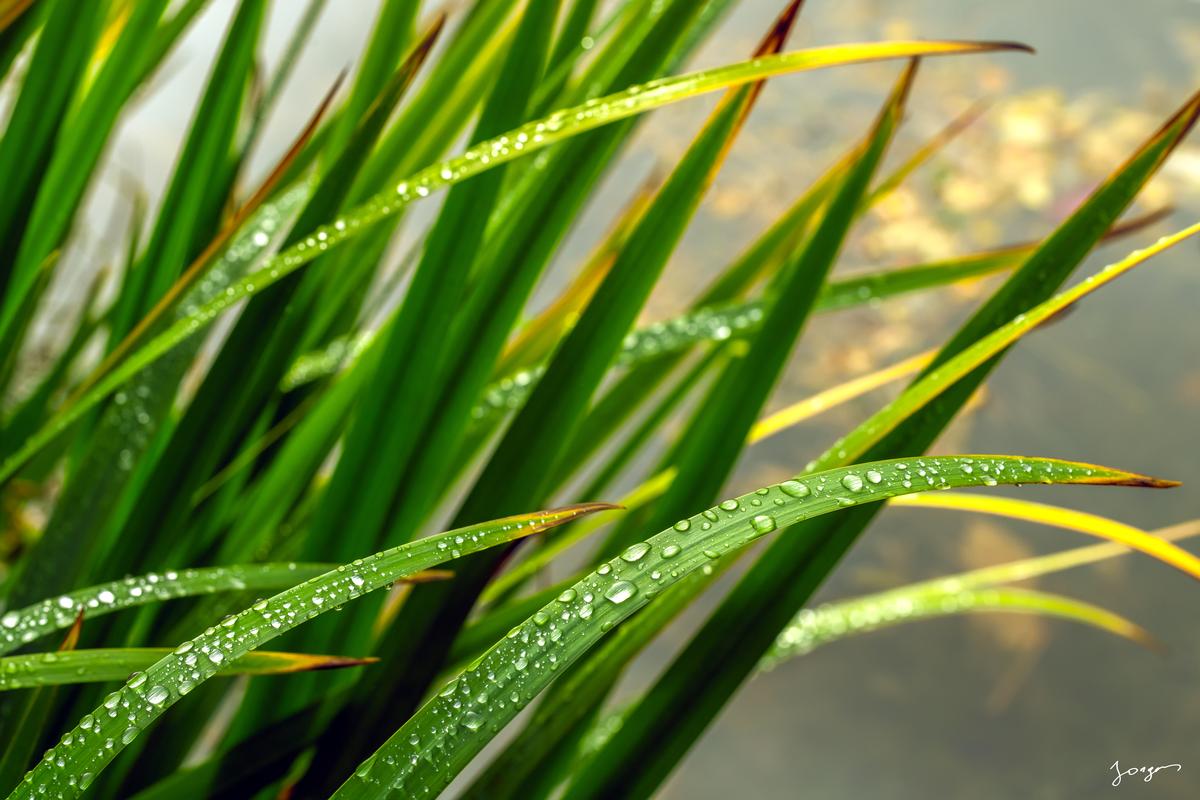
A Trulife face-mounted acrylic print — what is considered a gallery quality, modern fine art photography print — uses a different, handcrafted process entirely. First, the image is printed onto premium Lumachrome HD photographic paper, then permanently bonded with an optically clear adhesive to the back of a sheet of museum-grade acrylic. The back is sealed with a rigid backing, and a hidden float frame is attached behind it. Or the whole print is placed inside the Roma Moulding frame, if the customer chooses to purchase a framed print version.
Acrylic glass creates a visual effect that is genuinely different: light travels through the clear acrylic, reflects off the print surface beneath it, and comes back to the viewer — producing a sense of depth, an almost three-dimensional glow, true color vibrance, and blacks that look liquid rather than flat.
As for why anyone would choose the cheaper canvas: weight is one factor — while a 24x36 canvas art print weighs under three pounds and hangs on a single nail, the same size acrylic face mount photography print is slightly heavier and needs sturdier wall anchors. Renters, or anyone who doesn't want to drill into walls, often pick canvas for exactly that reason. Lighting matters too — acrylic is glossy, and in a room with huge windows or harsh spotlights, a glossy acrylic surface can act like a mirror. Canvas, on the other hand, is non-reflective and more forgiving in bright spaces.
And the last reason is simply how people view art in general — the truth is that many art buyers genuinely just want a color-balanced cheap piece of canvas art for a guest room or a high traffic hallway where it might get bumped off the wall by accident, and a $40 canvas is the most sensible choice for that. As long as it looks pleasant, fits the interior, and does the job covering chipped paint on the wall — it is good enough.
From my experience and observation, it splits along one line: people who think of wall art as background decor generally won't change their habits even if they understand the quality gap, because that gap isn't relevant to what they're trying to do. But people who are genuinely interested in fine art photography, or who care about their living space as being more than just where they lay their head down, will always choose quality over quantity, especially after they see a real acrylic mounted print in person. Seeing the actual detail, vibrance and luminosity of a Trulife acrylic mounted print changes your understanding of what "wall art" can be.
They will spend more time looking at many different artworks from different artists, visit local art shows and galleries, and generally invest more time picking out the art piece that feels right and enhances their interior. They don't think about art as simple wall decor that fills an empty gap on the wall. They view it as something they can own and value — an actual piece of art that will hold its own and transform their room rather than being a mere background decoration. High quality fine art photography print adds life to and changes the whole energy of the room — just like an original painting, which puts it into a category of being priceless.
Speaking of original — be sure to check my collection called "Only-One", where I feature one-of-a-kind (Tru Masterpiece™) photography prints, printed as 1 copy only. By owning one of those, you "own the print" and no additional copy will ever be printed. Just like if you owned an original Monet or Picasso.
Beyond the Price — Is Financial Investment Worth It For A Higher Quality Artwork By An Independent Artist?
If you look beyond the price tag and all the arguments about resale value of any artwork for sale, there's something else worth noting when you buy directly from an independent artist instead of a mass-market retailer — even if they sell art created by independent artists — and it needs to be mentioned.
Mass-produced canvas wall art is completely detached from any individual person. You place an order on the website, it gets processed into a queue, then gets printed by a printer, stretched by a machine, packed by a machine, and mailed to you in a box with little or almost no human involvement. It becomes just a piece with a number on it and is essentially soulless.

On the other hand, when you order a modern fine art photography print from a landscape photographer like myself — who first, created an image by driving some crazy amount of hours to some remote nature's destination, then slept 3 hours to wake up at 5am to capture the photo at sunrise (rain or shine), then came back home, processed the image, made sure it had no flaws or artifacts so the image looks more or less perfect, made test prints, found imperfections, worked more on the image to fix it, printed another test print — in other words, poured his life and soul into it, with hopes it will be his next masterpiece. This type of effort is not something you can mass produce with a machine.
The energy of pure dedication that gets transferred into the artwork made by the artist can be felt by the viewer only when they are looking at the final product, and that energy is what ultimately makes art buyers and collectors fall in love with the print if they truly connect with it. Few more things also absent with mass produced canvas prints — the precise detail, the depth of field, balanced play of colors, the choice of tones and contrasts, the signature and number of a limited edition print. All those attributes carry and add to that energy of someone's actual work and focus. Time and energy, grit and dedication. It transfers an authenticity that mass printed wall decor can never replicate, no matter how nice it may look.
A mass-produced canvas from a big retailer starts and ends with the transaction — you bought it, it arrived, that's the whole narrative. A piece from an independent photographer comes with the actual story behind it — where it was taken, what the light was doing that morning, what it took to get there. The art piece stops being wallpaper and becomes something you can talk about with your friends.
There's also a difference in how these art prints show up on the wall. Mass-produced prints, printed on flat synthetic surfaces with basic inks, look identical whether it's 9am or 9pm. A high-quality acrylic mounted print will actually change the way it looks depending on the amount of light it receives. As the light in a room shifts through the day, the depth and luminosity of the print will shift with it, revealing detail you didn't notice before. For acrylic mounted prints, I recommend installing professional art lighting to keep a consistent light illuminating the print.
And finally the last reason when considering an investment into a quality artwork — who are you funding when buying it. Every dollar spent on mass-produced wall art goes into corporate supply chains and bulk manufacturers' coffers. While money spent with an independent artist goes directly to support the artist's livelihood — their studio, their equipment, their ability to keep doing the work and produce more amazing fine art pieces.
Benefits Of Working With Fine Art Photographer Directly
All creative work on this website is produced by Eddie Jongas (artist photographer) and no one else. Not a single photograph offered on this website was taken from public domain or produced by any other person.
All art I sell is proofed by me personally — limited editions, signed, with a Certificate of Authenticity. All artworks are printed on Lumachrome HD photographic paper and mounted on TruLife acrylic surface, to end up with a gallery-quality artwork. And for those collectors looking for the absolute best of what I offer, check out "Only-One Collection" on this website where you can acquire the "Tru Masterpiece™" — a one of a kind print of specially selected, very unique photographs that will never have another copy printed. One collector will always be a true owner of the print. Think of it as owning an original Mona Lisa.

There's also no factory in between Jongas and his fine art photography prints. No corporate overhead, no layer of employee costs getting passed on to you as the buyer — there is only one person in customer service and that is the artist himself, to provide you with an exceptional and smooth art buying experience.
And for anyone who genuinely wants a canvas type of print of one of my images — because of the reasons we just went through, weight, glare, budget, whatever the reason — that option also exists. Canvas isn't the taboo here. It's simply a different print surface that I offer for some of my prints, mainly for the ones that don't require to see lots of detail and more or less resemble paintings when printed on canvas.
As always, the main challenge selling modern fine art photography prints from the website is that collectors acquiring the print can't really see it in person and have to trust the artist to deliver the final product that matches what they see on their computer screen. But I try to do better. I aim for the final product you receive to look much better than what you see on your computer screen and even better than what you imagine of it.
Learn more about my work and my story here, or explore the fine art photography collections that offer exquisite prints from different categories such as abstract art photography, photography of city skylines, waterfall photography and more.
Explore Landscape Photography Prints →
Learn About TruLife Acrylic-Mounted Prints →
Eddie Jongas is a modern fine art photographer based in Las Vegas, Nevada. His TruLife acrylic-mounted limited edition prints, including the Tru Masterpiece™ Only One collection, are available exclusively through jongasfineartphotography.com. Free shipping to all 50 states.
