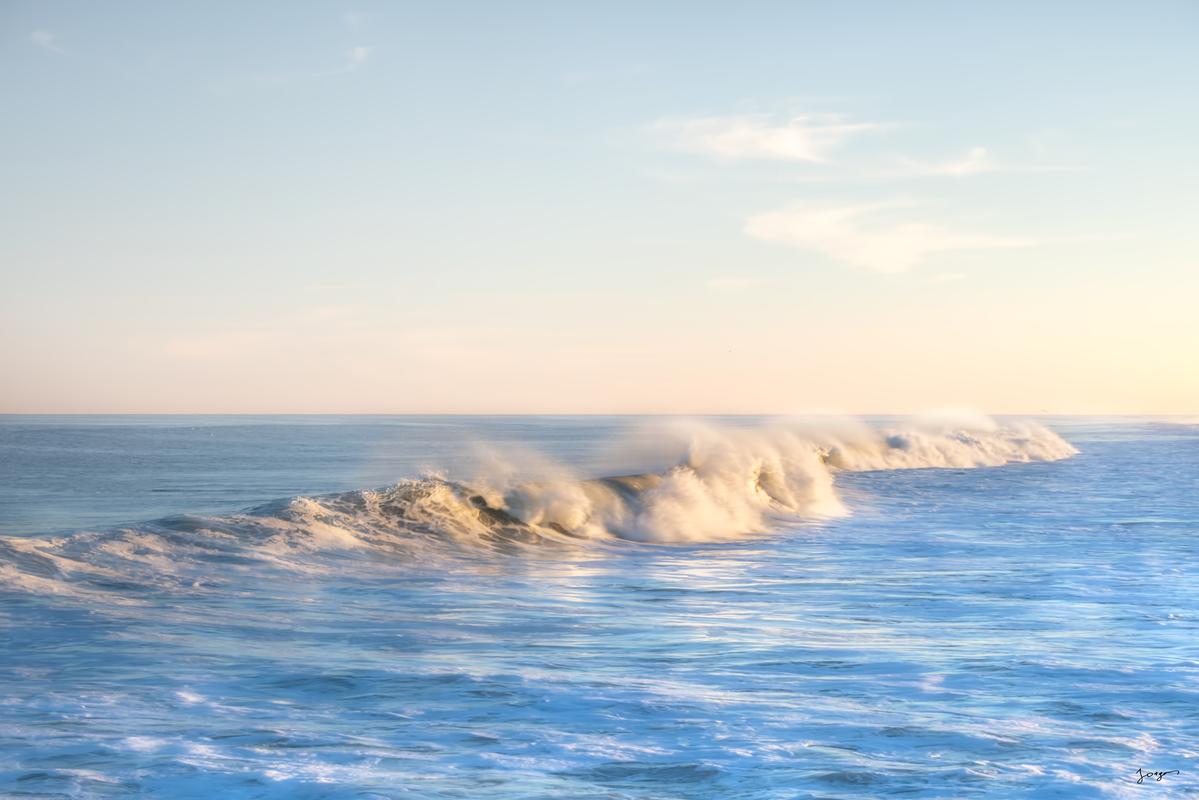
I have spent years photographing the Pacific coast — from Big Sur and Morro Bay along the California central coast to the rugged shores of the Pacific Northwest. There is a specific quality that coastal environments have: a sense of scale, of openness, of the light being different than it is anywhere inland. The sea changes the light. The sea changes the air. And the best beach style interior design understands that what people are actually trying to bring home when they decorate in a coastal style is not seashells and rope — it is that feeling. The light. The openness. The sense that the horizon is near.
This guide covers everything you need to know to achieve genuine beach style interior design in your home — whether you live on the California coast, in the Nevada desert, or anywhere in between.
What Is Beach Style Interior Design?
Beach style interior design — also called coastal design, or in its more pattern-heavy variation, nautical design — is a broad category of home decorating that draws its palette, materials, and sensibility from coastal environments. At its best, it creates interiors that feel light, open, and unhurried: spaces that slow you down the moment you step into them, the way a good beach does.
The style has been part of American home design since at least the early twentieth century, when the wealthy built summer cottages along the coasts of New England and the Carolinas. Those early beach houses had specific characteristics born of practical necessity: salt-resistant materials, light colors that reflected rather than absorbed heat, natural fibers that could be washed of sand, open floor plans that allowed sea breezes to move through. What began as practical architecture became aesthetic preference — and eventually, a design movement that millions of people now pursue regardless of whether they live anywhere near the ocean.
The core philosophy of beach style interior design is effortless calm. Every element in a well-executed coastal interior should contribute to a feeling of relaxation, ease, and connection to the natural world. It is not a high-maintenance style. It is not a maximalist style. It is a style built on the premise that less effort — less visual noise, less clutter, less formality — creates more feeling.
Beach Style, Coastal, and Nautical — Understanding the Three Variations
Before going further, it is worth distinguishing three terms that are often used interchangeably but describe meaningfully different approaches.
Beach Style is the broadest category — a relaxed, sun-bleached aesthetic inspired by the feeling of being at the beach. Sand-colored floors, whitewashed walls, worn natural wood, linen, and rattan. Think a California beach house in Malibu or a surf cottage in Encinitas. The palette is warm: sandy neutrals, soft whites, warm wood tones. The materials feel natural and slightly weathered.
Coastal is slightly more refined — the upscale version of beach style. More blue and white, more deliberate composition, cleaner lines. Think a Hamptons house or a high-end Florida waterfront property. Coastal design allows more formal furniture than beach style, but maintains the palette of sea, sky, and sand throughout. It is the version of this aesthetic that interior designers most commonly specify for high-end residential projects.
Nautical is the most specific and pattern-driven variation — inspired directly by maritime tradition. Navy and white stripes, brass hardware, rope accents, anchors, charts, and maps used as decorative elements. Nautical can tip into kitsch quickly when overdone. Done well, it feels like a well-appointed yacht interior: classic, intentional, and grounded in a very specific tradition.
For most homeowners, the ideal approach is to lead with beach style or coastal as the foundation — and then incorporate a selective nautical element or two as accent rather than theme.

The Beach Style Color Palette
Color is where beach style interior design starts. The palette is drawn directly from the coastal environment — and it is remarkably consistent across all three variations of the style.
Sandy neutrals and warm whites form the foundation. Not cold, blue-toned whites — warm whites with a hint of cream or sand. Walls, trim, large furniture pieces, and ceiling all benefit from this warm, light-reflective base. It is the indoor equivalent of the bleached-white sand that reflects the California sun.
Ocean blues in all their variations provide the accent color. Soft aqua, deep navy, teal, seafoam green — any blue drawn from the spectrum of the Pacific or Atlantic will work. The key is to choose one blue family and stay within it rather than mixing multiple blue tones, which can feel chaotic rather than calm.
Driftwood grays and bleached wood tones are the mid-tones that bridge the warm whites and the ocean blues. Weathered gray wood, whitewashed oak, and natural linen textures keep the palette from feeling stark or too polished.
Natural accents — the greens of coastal vegetation, the warm amber of sea grass, the muted coral of shells — appear sparingly as accent punctuation rather than dominant colors. The mistake most people make is overloading a coastal interior with too many accent colors. The restraint of the palette is what produces the calm.
"What people are trying to bring home is not seashells and rope — it is the light, the openness, the sense that the horizon is near."
Materials and Textures in Beach Style Design
Beach style interior design is fundamentally a tactile aesthetic — it depends on natural materials that the eye reads as connected to the natural world. The materials list is short and consistently applied.
Natural wood in its weathered, bleached, or whitewashed forms is the structural backbone of beach style. Wide-plank wood floors, reclaimed wood tables, driftwood-finished cabinets. The grain and texture of wood brings organic warmth to spaces that might otherwise feel too cool and spare.
Rattan, wicker, and cane are the quintessential beach style furniture materials — light in both weight and visual density, associated with outdoor and tropical living, and available at every price point. A rattan chair, a wicker basket, a cane-backed dining chair: any of these signals the coastal aesthetic immediately without requiring a major investment.
Linen, cotton, and jute are the textile palette. Heavy drapes have no place in a beach style interior. Light linen curtains that move in a breeze, cotton slipcovers that wash easily, jute rugs that feel earthy underfoot — these are the textiles that serve the style. They are deliberately unpolished. The lived-in quality is the point.
Sea glass, shells, and natural objects used sparingly as decorative elements. A bowl of sea glass on a coffee table. A large shell on a shelf. Driftwood used as a sculptural element. The key word is sparingly. One or two well-chosen natural objects provide the coastal reference without turning the room into a souvenir shop.
Ceramic, terracotta, and stone for kitchens and bathrooms — white subway tile, stone counters, ceramic sink basins in soft blues and whites. Bathrooms in particular benefit from the beach style approach: white subway tile, a natural stone floor, linen towels, a single framed seascape print on the wall.
Beach Style Furniture — What to Look For
Comfort before formality. Sofas in beach style interiors are deep, generously cushioned, and covered in washable slipcovers or indoor-outdoor fabric. A formal silk sofa has no place here. The furniture should invite you to sit in it for hours, not sit up straight in it. Low, wide proportions work better than tall, formal pieces.
Lightweight visual weight. Heavy, dark furniture — mahogany, carved oak — works against the lightness that is fundamental to beach style. Choose pieces that feel light: whitewashed finishes, natural wood in pale tones, glass table tops, rattan and wicker frames. The furniture should feel like it could be moved to the porch without effort.
Open storage over closed. Wicker baskets, open shelving, visible linen storage. Beach style interiors embrace a certain lived-in openness that makes the space feel inhabited rather than staged. Closed cabinetry throughout produces a house-like formality that runs counter to the cottage sensibility.
Natural fiber rugs. Jute, sisal, and seagrass rugs are the standard for beach style floors. They add texture, define spaces, and feel natural and unpretentious underfoot. In bedrooms, a soft wool rug in a sea-glass color can add warmth while maintaining the palette.
Beds with simple, natural headboards. A rattan headboard, a whitewashed wood headboard, or a simple upholstered headboard in linen white — all work. Elaborate carved headboards and heavy tufted upholstery do not belong in a beach style bedroom.
Resources for beach style furniture: Serena & Lily is widely considered the definitive source for high-end coastal furniture in the US market. Pottery Barn offers accessible coastal furniture at a broad range of price points. For rattan and wicker specifically, The Wicker Works in San Francisco has supplied high-end designers for decades.
Wall Art for Beach Style Interiors — The Most Important Design Decision
Of all the decisions in a beach style interior, the wall art is the one that most completely makes or breaks the entire aesthetic — and it is the decision that most people get wrong.
The common mistake is decorative art that illustrates the beach concept: paintings of seagulls, framed prints of anchors, vintage surf posters, illustrated crabs on canvas. These are visual clichés that signal "beach decor" to the eye before they do anything else — and the aesthetic response to a visual cliché is never the emotional response you want. It reads as decoration, not as art.
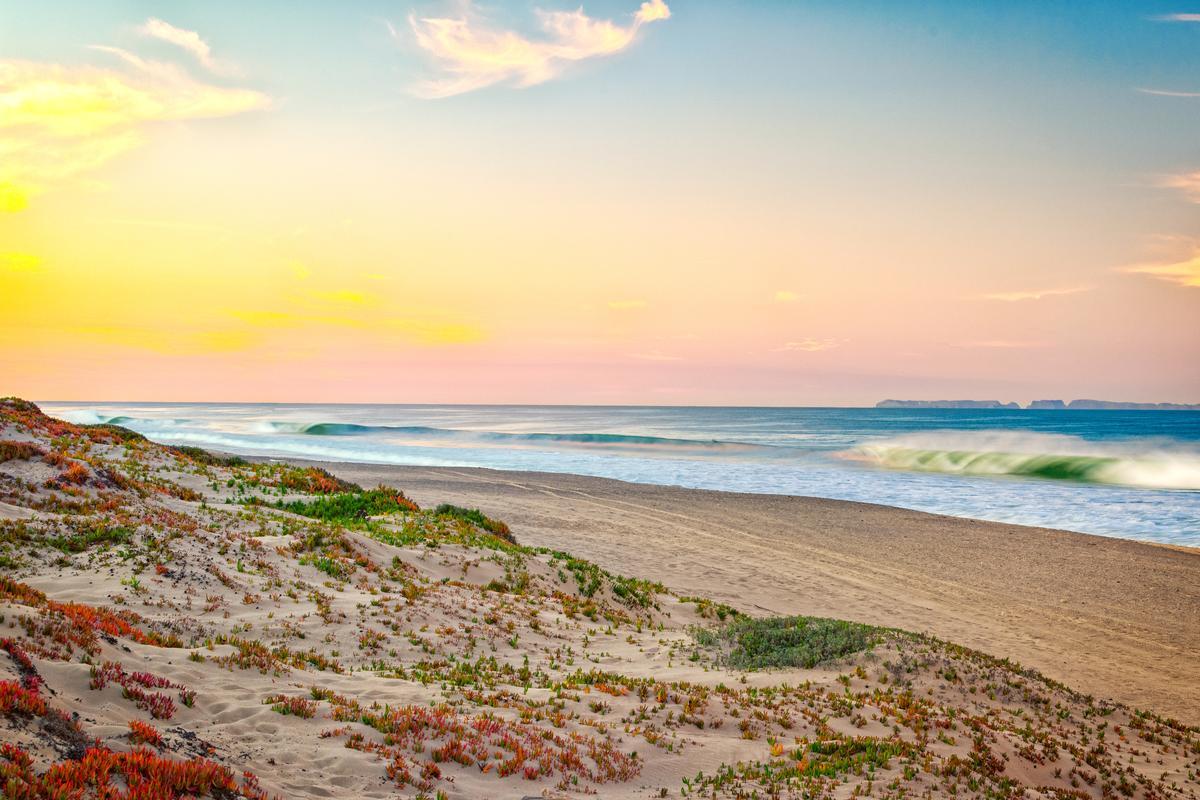
The wall art that genuinely works in a beach style interior is real fine art photography or painting of coastal subjects — images that carry the actual atmosphere of the ocean rather than a reference to it.
This is where fine art seascape photography becomes the defining element of a genuinely sophisticated coastal interior. A large-format TruLife acrylic-mounted print of the Pacific coast — Big Sur on a clear afternoon, the Morro Bay harbor at dawn, a pier reaching into a sunset-lit Pacific — brings the actual visual experience of the ocean into a room rather than a cartoon of it. The luminous quality of TruLife acrylic printing is particularly well-suited to coastal interiors: the optical depth of the surface makes ocean light behave the way it actually does, not the way it looks on a standard print or canvas.
Best Jongas Collections for Beach Style Interiors
- Ocean & Seascape Photography: The foundational collection for coastal interiors. Pacific coast images from Big Sur to Morro Bay, shot in the specific conditions — the dramatic surf, the coastal fog, the golden hour light — that most people only experience on exceptional trips. A large-format seascape print in a beach style living room is the single most impactful design decision available.
- Seascape Panorama Prints: Panoramic format is the ideal scale for beach style interiors. The horizontal sweep of a panoramic seascape above a sofa wall mirrors the visual experience of standing at the water's edge looking left and right — an effect that no standard-format print can replicate. Sizes from 16x48 up to 40x120 inches.
- Pier Photography: California pier scenes at golden hour are among the most versatile subjects for coastal interiors, working equally well in beach cottages and contemporary coastal homes. The leading lines of the pier and the relationship between the structure and the surrounding ocean creates a photographic composition that adds architectural interest to a wall.
- Morro Bay Photography: The iconic volcanic profile of Morro Rock and the Central California harbor provide some of the most distinctively Californian coastal imagery available. For buyers who want to bring the specific quality of California's Central Coast into a home, this collection is the direct source.
- Boat Photography: Harbor scenes with fishing boats and sailing craft at rest have a contemplative quality that suits bedroom and study installations particularly well. The calm of a boat at its mooring is the visual equivalent of the stillness that beach style interiors aim for.
On placement and scale: The most common mistake with wall art in beach style interiors is placing it too small. A 16x24 print on a ten-foot wall disappears. For a standard living room sofa wall, a print between 40 and 72 inches wide — or a panoramic print running the full width of the wall — creates the immersive coastal atmosphere that smaller pieces cannot. See the Fine Art FAQ for guidance on choosing the right size for your specific space.

Do You Need to Live Near the Beach to Have Beach Style Interior Design?
This is the question I hear most often from people in landlocked cities — Las Vegas being exactly that. The answer is emphatically no, and the reason explains something important about what beach style interior design actually is.
Beach style design is not geography. It is an emotional state translated into a physical environment. The goal is to produce a specific feeling — openness, calm, ease, connection to natural light and natural materials — not to accurately replicate the experience of living on the coast. The most successful coastal interiors in the country are in Chicago, Denver, and Phoenix. The designers who execute them don't pretend the beach is outside the window. They create an environment in which the beach exists inside it.
In fact, a landlocked beach style interior has one significant advantage over an actual beach house: it can be perfectly controlled. Beach houses deal with salt air, moisture, humidity, and the relentless sand that gets into everything. An inland home with a coastal aesthetic has all the visual pleasure and none of the maintenance challenges.
The key for landlocked beach style interiors is ensuring two things are genuinely present. The first is natural light — remove heavy drapes and replace with light linen curtains or woven shades. Maximize the amount of daylight in the main living spaces. Without natural light, the beach aesthetic falls apart — it relies fundamentally on the way light reads on pale, natural surfaces.
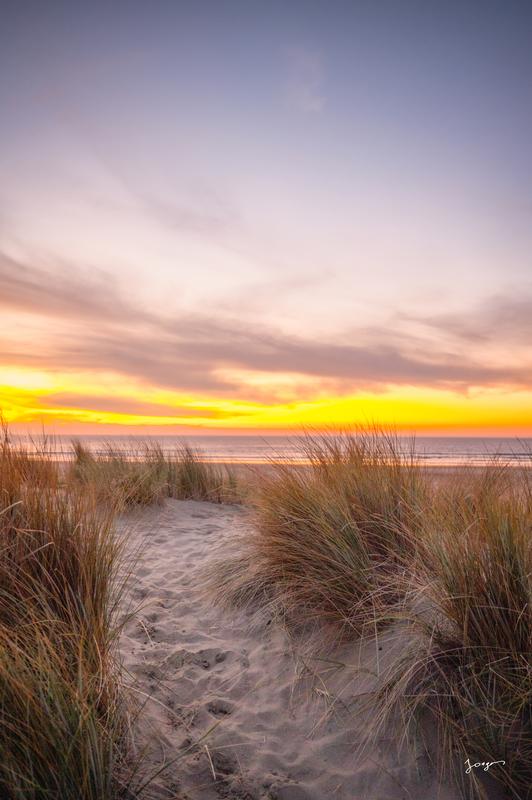
The second is authentic coastal art. In a house that is genuinely on the beach, the view out the window provides the connection to the ocean. In a landlocked home, a large-format fine art seascape photography print provides that connection instead. This is not a compromise — it is actually the more considered choice, because you select the specific coastal view that speaks most directly to you rather than accepting whatever the geographic location provides.
Room by Room — Beach Style in Every Space
The living room is the centerpiece of beach style design. The formula: a large seascape print on the main wall, a deep slipcovered sofa in white or natural linen, a weathered wood coffee table, jute rug, rattan accent chair, and abundant natural light. Add one or two coastal accent objects — a piece of sea glass, a sculptural shell, a stack of art books about coastal photography — and resist the urge to add more. Restraint is the discipline that separates a sophisticated coastal interior from a themed one.
The bedroom is where beach style design performs at its best. The materials — linen bedding, natural wood, rattan — are inherently conducive to the kind of calm that promotes sleep. A rattan or whitewashed wood headboard, linen or cotton duvet in white or pale blue, soft ambient lighting, and a single framed pier or seascape photograph on the wall opposite the bed creates a room that feels genuinely restful rather than merely decorated.
The kitchen responds well to white or pale blue painted cabinets, white counters or light stone, open shelving with simple white ceramics, hardware in brushed brass or unlacquered bronze, and a tile backsplash in white subway or soft blue zellige. Keep counters clear — visual clutter on a kitchen counter works against the openness that defines the style. A small framed coastal print or a single piece of sea glass on a shelf provides the reference without overdoing it.
The bathroom is the easiest room to transform into a genuine beach style space. White subway tile, a stone or pebble floor, white ceramic fixtures, natural wood accents, linen towels in white or pale blue. A single small seascape or Morro Bay print in a simple white frame on the wall above the towel hook — no anchors, no "Life is Better at the Beach" typography prints — creates a spa-like coastal bathroom that feels genuinely elevated.
Finding a Beach Style Interior Designer
If you want professional help executing a beach style interior, there are several excellent resources for finding designers who specialize in coastal aesthetics.
Houzz is the industry-standard platform for finding local interior designers. Search for "coastal interior design" filtered to your location and review portfolios before reaching out. The portfolio filter is the most reliable way to confirm that a designer actually has experience with the coastal style rather than simply listing it as a specialty.
Decorilla is an online interior design service that offers full coastal and beach style design packages at a range of price points. Unlike traditional design firms, Decorilla allows clients to work remotely with designers and receive 3D renderings before committing to furniture purchases — particularly useful for anyone working through a full coastal redesign.
ASID (American Society of Interior Designers) maintains a searchable directory of certified interior designers by location and specialty. ASID members have completed accredited education and passed professional examinations — a meaningful credential when hiring for a significant interior project.
For anyone who wants to develop their own design skills before hiring a professional, the online program at the New York Institute of Art and Design offers an accredited interior design certificate program that covers all the major styles including coastal and beach design — available entirely online.
More Interior Design Guides on the Jongas Blog
Beach style is one of ten interior design styles covered in the Interior Design Ideas section of the Jongas Fine Art Photography blog. Each guide addresses the specific type of wall art and fine art photography that best suits that style, with direct recommendations from Eddie Jongas's collections.
→ Interior Design Ideas — All Articles (full category index)
→ Mediterranean Interior Design — warm terracotta, whitewashed walls, wrought iron, and the sun-drenched palette of Spain, Italy, and Greece
→ Traditional Interior Design — the timeless English-style aesthetic of rich colors, ornate furniture, and layered symmetry
→ Industrial Interior Design — exposed brick, steel, and the raw material aesthetic of converted lofts and urban spaces
→ Contemporary Home Decor Style — clean lines, neutral palettes, and the understated elegance of current modern design
→ Canvas Wall Art for Home — how to choose and hang canvas prints across every interior design style
→ Case Study: Wall Decor for a Living Room — a real-world example of selecting and installing fine art photography in a residential living space

Bringing the Coast Home
Beach style interior design works because it is built on something genuine — the real emotional response that coastal environments produce in most people. The light, the openness, the sense of scale, the sound of water and wind. A well-executed beach style interior doesn't try to deceive you into thinking you are at the ocean. It creates an environment whose materials, proportions, and atmosphere produce a version of the feeling that the ocean produces. That is what good design does with any subject: it distills the essence of an experience into an environment you can live inside every day.
Fine art photography from the Pacific coast — the actual ocean, photographed at the actual moments when it is most extraordinary — is the element that brings genuine coastal atmosphere into any interior. Not a print of an anchor. Not a framed "beach rules" sign. The real thing: the Pacific at the hour when the light does what it only does once.
Browse the Ocean & Seascape Photography Collection →
Browse Seascape Panorama Prints →
Explore All Fine Art Photography Collections →
Eddie Jongas is a modern fine art photographer based in Las Vegas, Nevada. His TruLife acrylic-mounted limited edition prints are available exclusively through jongasfineartphotography.com. Free shipping to all 50 states.
