The First Photobook - Was Anna Atkins The First Female Photographer?
I came across Anna Atkins when writing the article about the beginnings of photography as tradiotnal art. Obviously it forced me go to back to early days of photography before photographic film was invented and early photographers relied on other methods to create visual representations of the world they saw around them. When doing my research it opened up the whole world about the early days of photography I knew nothing about. One of those pieces was discovering Anna Atkins and her contributions as one of the pioneers of art of photography.
Look closely at Anna Atkins’s Dictyota dichotoma and you can follow the pale branches of a piece of seaweed against a field of deep blue. The print is about ten inches high. Its scale asks you to come closer, and when you do, you start to notice how much space Atkins left around the specimen. She made that image without a camera. The seaweed itself blocked the light that made the print. View the print at The Metropolitan Museum of Art.
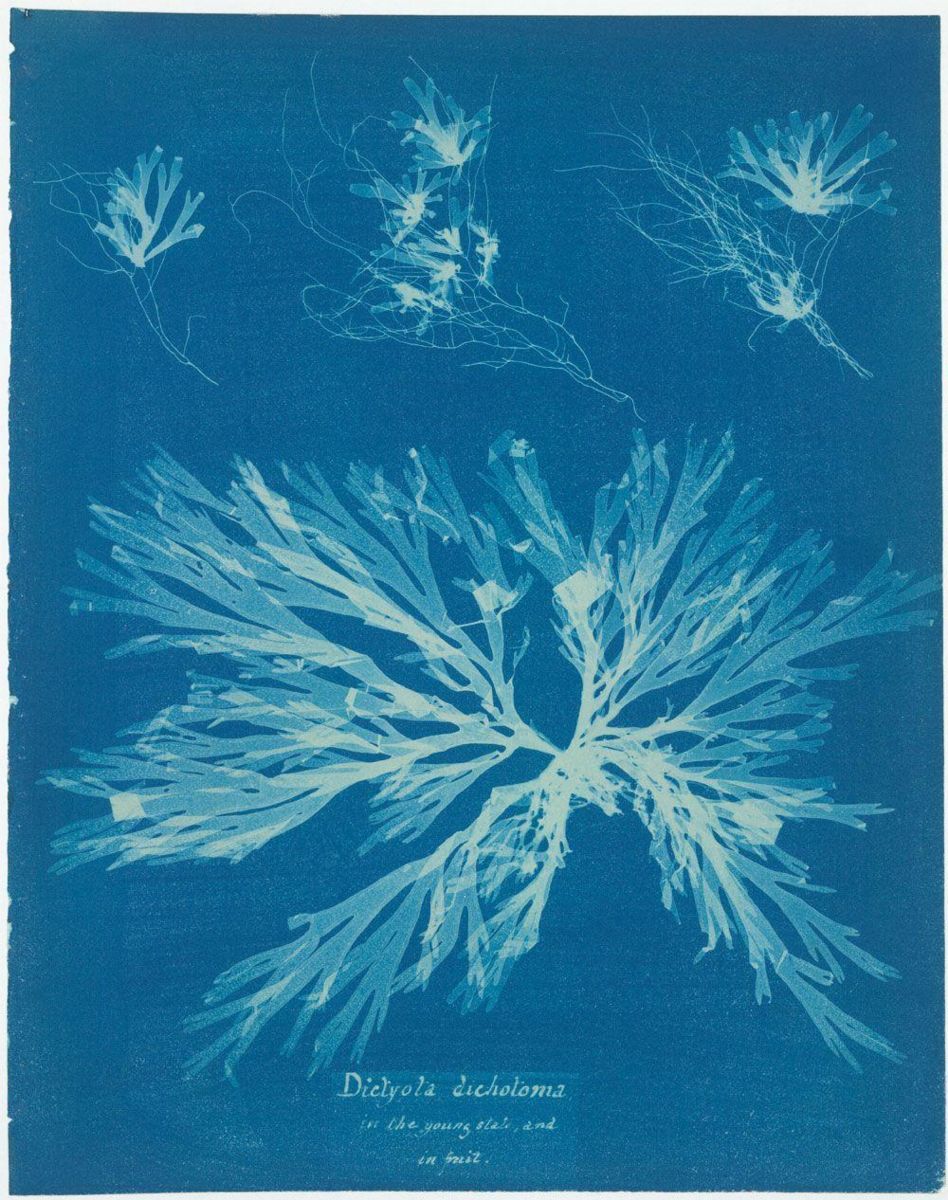
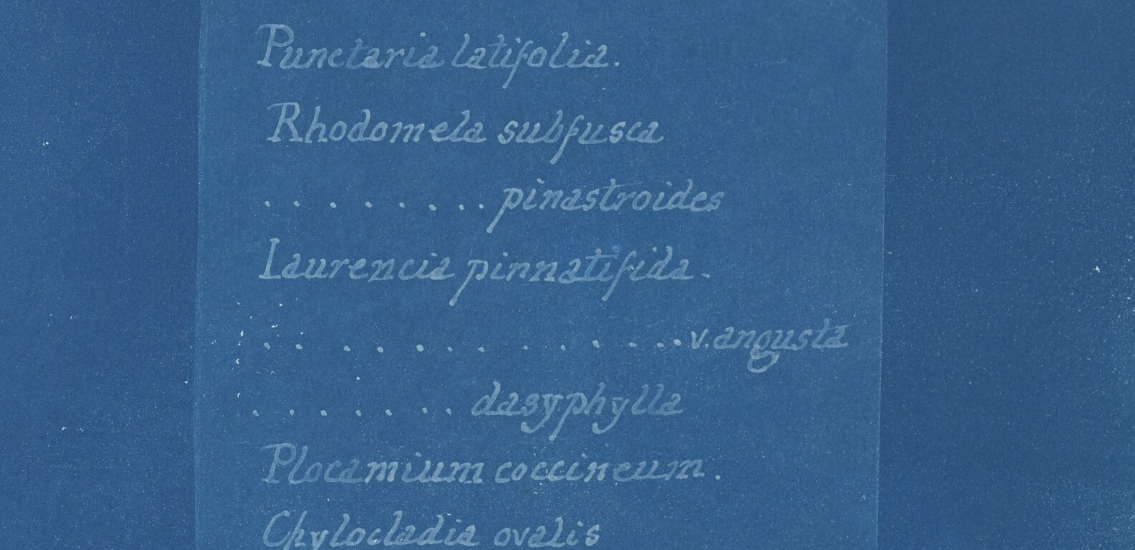
In 1843, Atkins began issuing Photographs of British Algae: Cyanotype Impressions, generally recognized as the first book illustrated with photographs. She wanted readers to see botanical details that were difficult to draw accurately. The pages she made also invite a different kind of attention, the kind we give a print when we stop to look at its shape, texture, and color.
Was Anna Atkins the First Female Photographer?
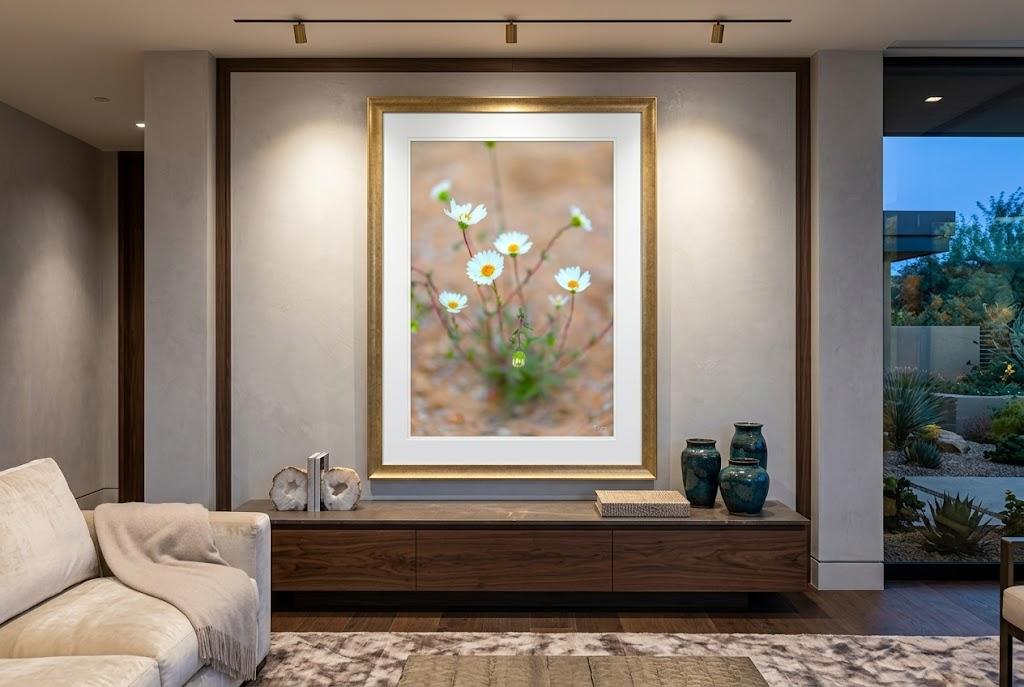 Buy This Print by Eddie Jongas · Limited Edition
Anna Atkins (1799–1871) was an English botanist and one of the earliest women to work in photography. Her algae project grew out of a practical problem. William Henry Harvey’s 1841 Manual of the British Algae gave readers names and descriptions, but lacked illustrations. For some of the smallest specimens, drawing the details by hand posed a challenge. Atkins saw a way to use light to record the specimens directly and followed Harvey’s naming system so the images could serve as a visual companion to his manual. Read about the project at the New York Public Library.
Was Anna Atkins the first female photographer? She is sometimes given that title, but Constance Fox Talbot may have made a photograph as early as 1839, four years before Atkins began publishing Photographs of British Algae. No photograph by Talbot from 1839 is known to survive, so who made the first remains uncertain. Atkins’s own milestone is well documented. In 1843, she began publishing what is widely recognized as the first book illustrated with photographs, using cyanotypes she made directly from algae specimens.
How did Anna Atkins make a photograph without a camera?
Sir John Herschel introduced the cyanotype process in 1842. The process uses light-sensitive iron salts. Atkins arranged specimens against sensitized paper and exposed them to sunlight. Where the seaweed covered the sheet, it blocked light. Where light reached the paper, the exposed areas formed Prussian blue. Washing the sheet cleared away unreacted chemicals and revealed the pale impression of the specimen.
This kind of direct-contact photograph is called a photogram. The density of the specimen could affect the image. A thick stem might leave a pale silhouette, while a thinner part could let some light through. Atkins could also decide how far apart the branches sat and how much blue surrounded them. Those decisions affect whether the eye reads the specimen as a single shape or follows its branching details. For more on how contact printing fits into the history of the medium, see my article on traditional photography.
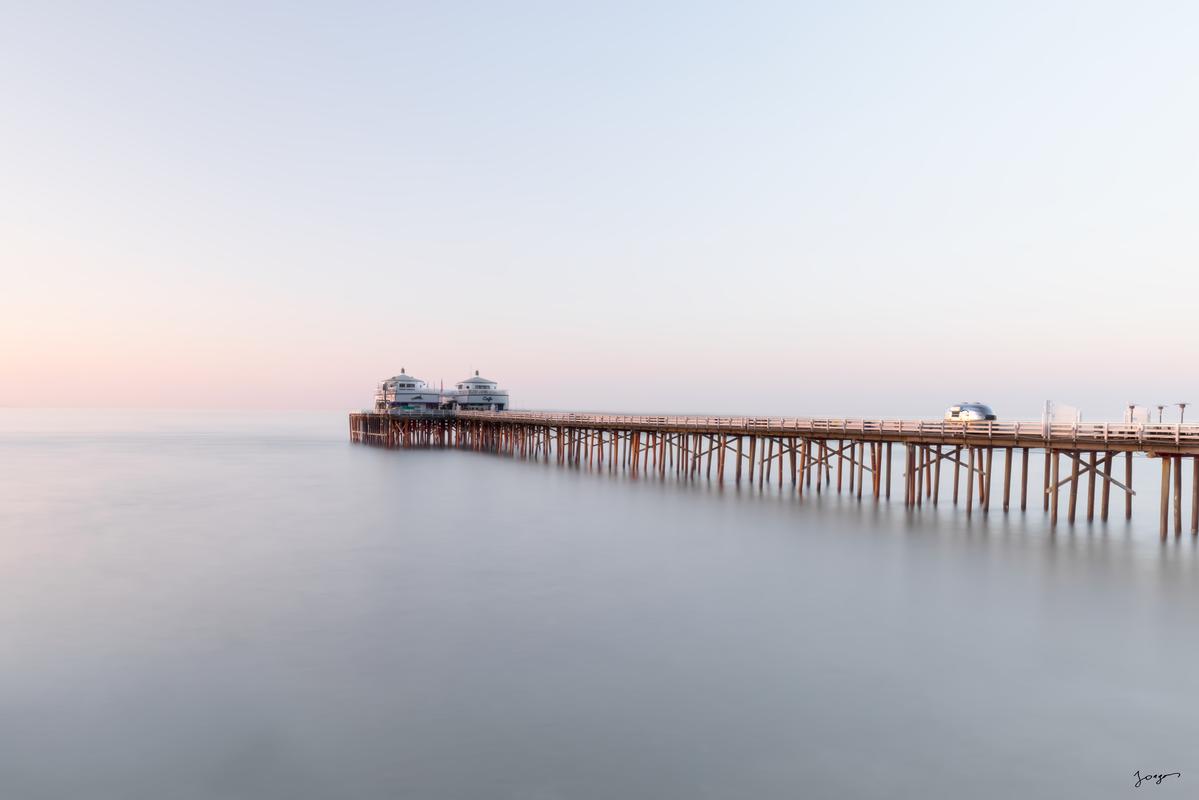 Buy This Print by Eddie Jongas · Limited Edition
What made Photographs of British Algae the first photobook?
Atkins privately published the first part in October 1843 and continued the project into the early 1850s. The illustrations in each copy were made by exposing sensitized sheets to light. Producing several copies meant making those photographic plates repeatedly. To make repeat exposures easier, she arranged specimens on glass, which helped hold the arrangement in place as she made more prints. Explore the surviving pages in the NYPL collection.
The book also changes how you see an individual photograph. A branching specimen catches your eye on its own. Turn a few pages and you start comparing how one specimen spreads across the sheet while another gathers into a tight cluster. The page turn creates an opportunity to look again at something you might otherwise have passed over.
 Buy This Print by Eddie Jongas · Limited Edition
Anna Atkins and Anne Dixon’s cyanotype ferns
Atkins also worked with Anne Dixon. The Getty Museum credits both women as makers of the 1853 album Cyanotypes of British and Foreign Ferns, which contains 100 cyanotype prints. A fern offers a different set of shapes from seaweed. Its long spine gives the eye a line to follow, and the repeating leaflets show how a single frond can fill a page. Looking at the fern album alongside the algae prints gives us a better sense of what Atkins and Dixon could do with the same process. Explore the album at the Getty Museum.
What Atkins’s photobook brings to mind as I make Views Out West
I’m currently working to publish my own first fine art photography book -Views Out West, a book of vertical photographs only organized around four subjects: the cities, trees, waters, and mountains of the American West. The vertical format gives the book consistency, and all fine art photos used showcase the subjects in a particular way I intended them to be seen when my camera was pointed at them.
Thus, looking at works in Atkins’s book brings me back to a question I face when creating my own. What will a photograph make you notice? A picture can be strong on its own, but how will it relate to the next one? With each photograph, I’m guiding what the reader sees next in hopes they won't be disappointed.
 Buy This Print by Eddie Jongas · Limited Edition
What you really buy when ordering a photography print from an artist like me?
You can see the shapes in an Atkins cyanotype on a screen or in a photography book. You can see the colors, you see the paper it is printed on. But those are just physical features of the art everyone can see. What is more important when buying a photography print or any artwork is to know the details of how it was made, who made it or what process they used or what was the full story behind it.
Because this is exactly what you will need to know when you have friends over for dinner, as people start walking around your home examining things on shelves and walls while you're getting the lasagna ready.
And for the sake of conversation or actual curiosity, they will certainly ask you about the painting or sculpture they see, ask who made it or where you acquired it from and you better be prepared to know it! It is the story behind the artwork that everyone wants to know most, regardless how good it looks or how much you paid for it.
 Buy This Print by Eddie Jongas · Limited Edition
The same questions are worth asking when you buy modern fine art photography. While the prints themselves can be outstanding, look super detailed and gorgeous, truth is, they all carry some kind of story behind them no matter how exciting or how boring it may be.
At Jongas Fine Art Photography I sign and number all my prints and include a Certificate of Authenticity and a little story card that comes along of how that picture came about or the reasons it was created. That way You not only get to enjoy an amazing fine art photo print, but also to give you a helping hand with those before-dinner guest conversations.
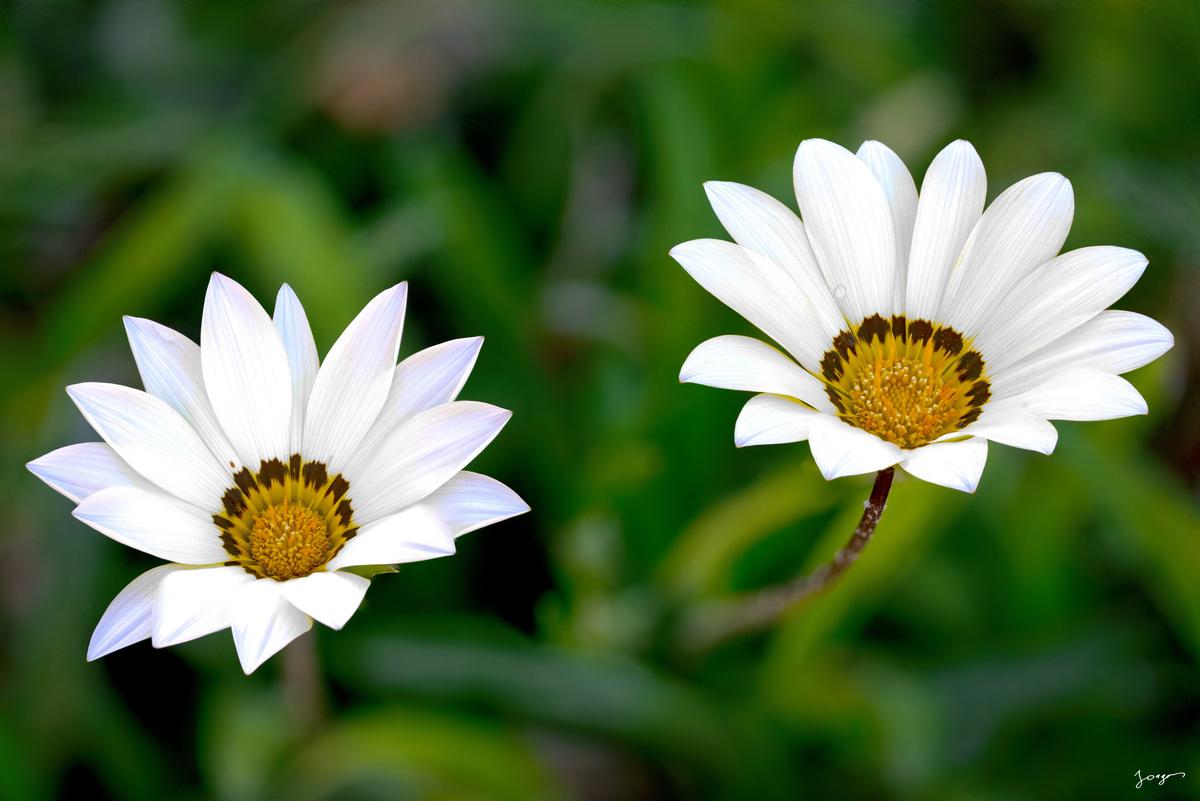
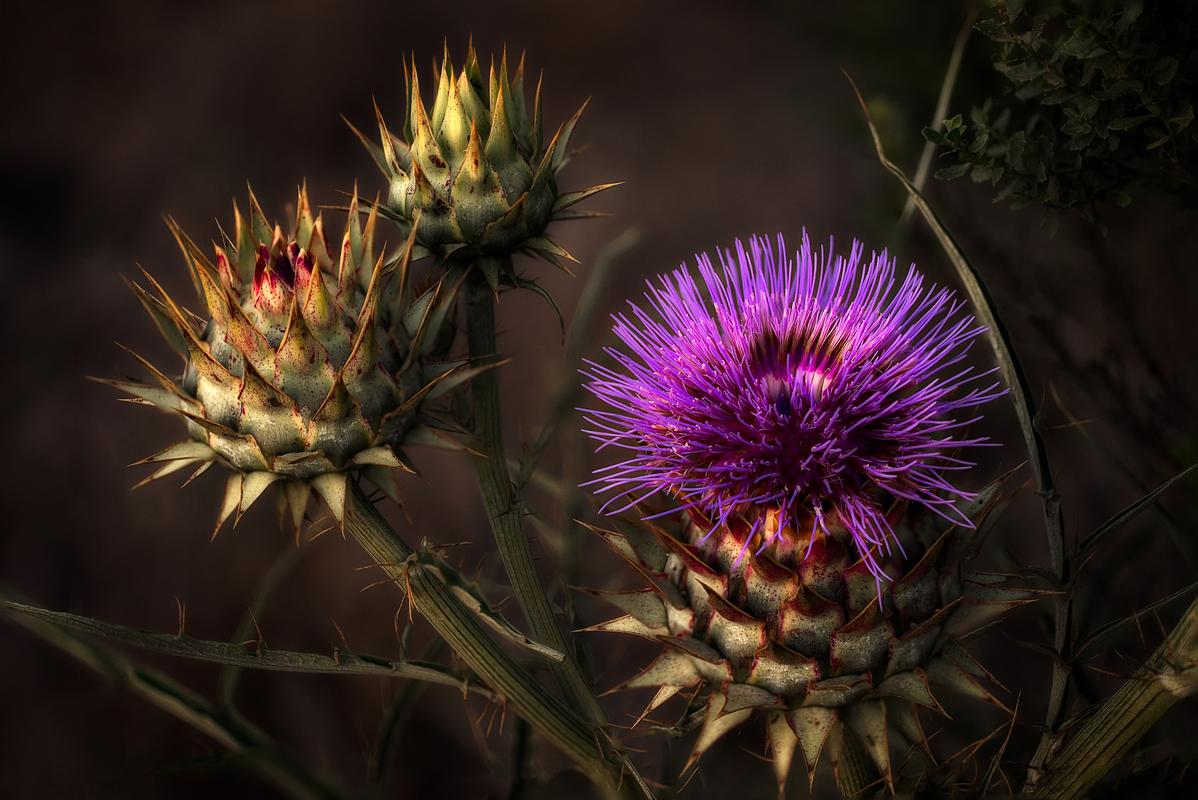
Check out my flower photography collection for my version of modern flower art and to compare how much photography has evolved from when Anna Atkins and other people in that era pioneered it with the limited tools that they had.
You can find a full breakdown of the materials I use to produce my prints on my print creation page.
