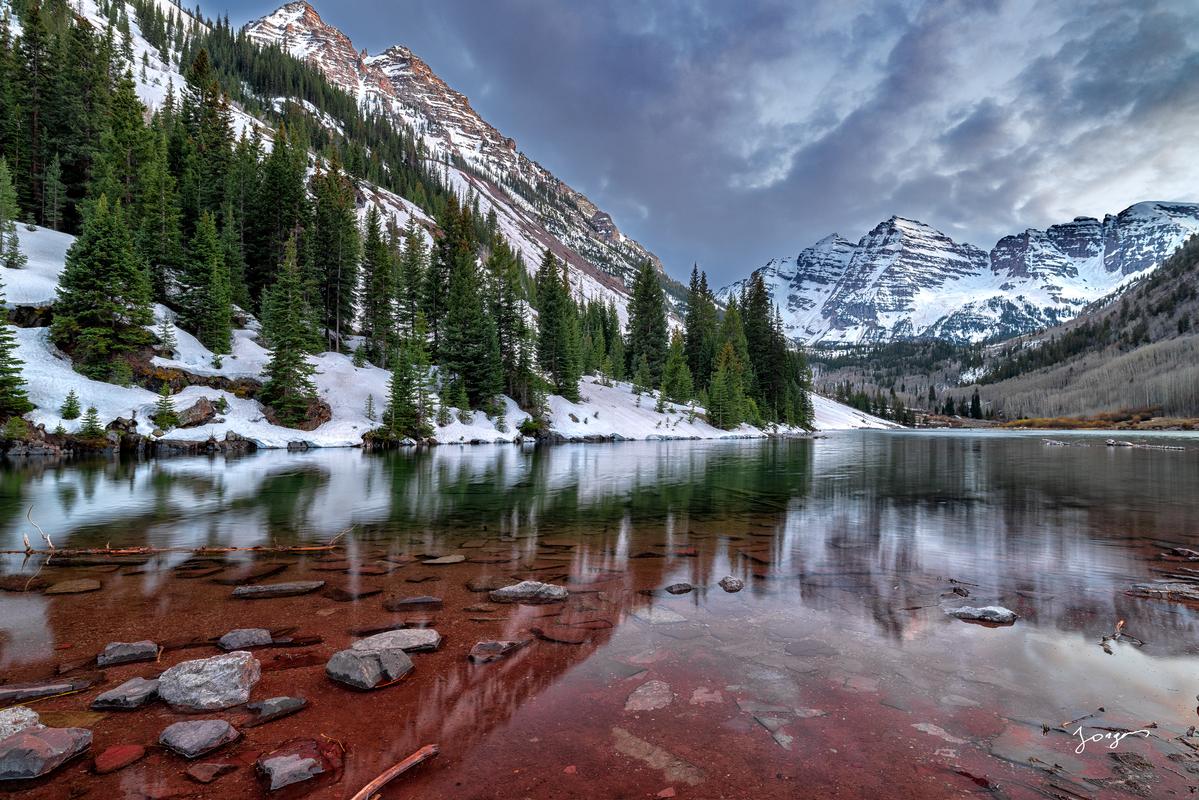
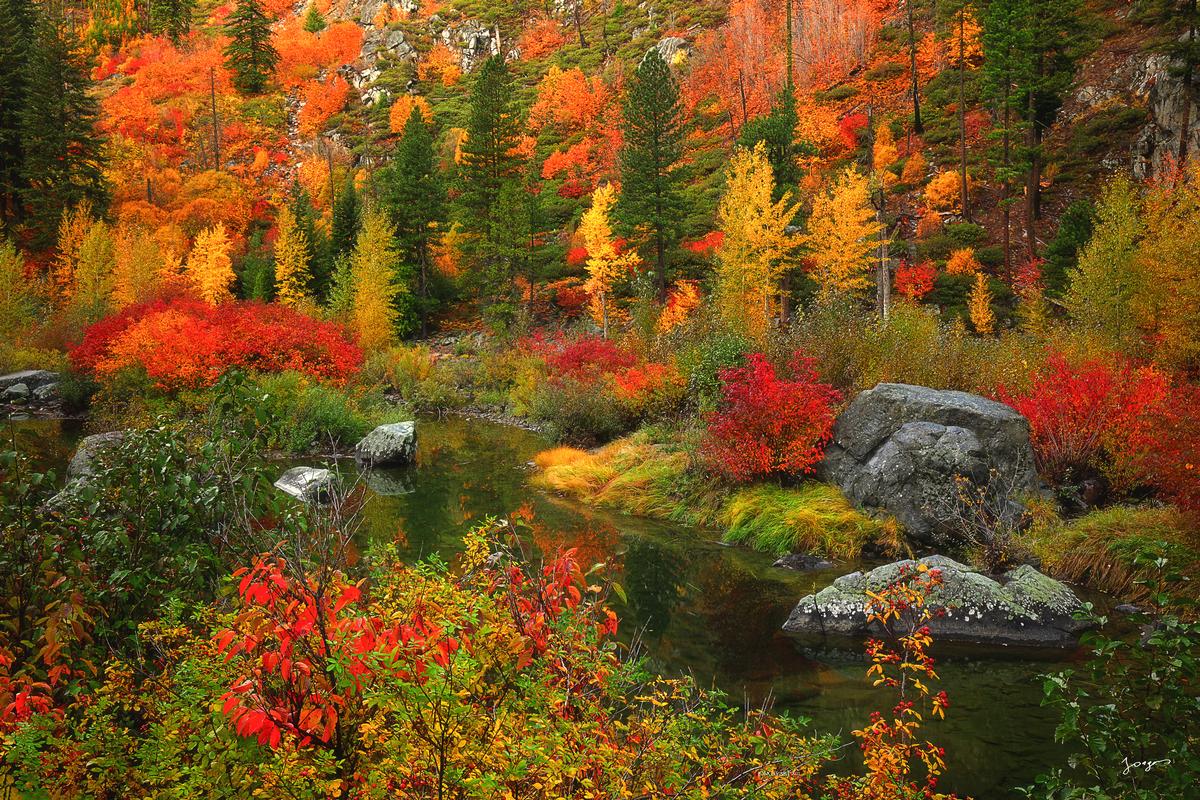
Before there were digital cameras, memory cards, Photoshop, or artificial intelligence, there was light, a lens, and a surface sensitive enough to record an image. Photographers worked with glass plates, rolls of film, chemical solutions, and darkrooms. Every photograph required a series of deliberate decisions, and the finished image was often the result of hours of work after the shutter had been released.

Some photographers went even further, creating images without cameras at all. Others combined photography with painting, drawing, and printmaking, producing works that challenged conventional ideas about what a photograph could be.
This is the world of traditional photography — a world that produced some of the most celebrated photographs in art history and established the foundations of nearly everything photographers do today.
Traditional photography is more than an outdated technology or a nostalgic fascination with film cameras. It represents a tradition of image-making built around observation, technical craftsmanship, experimentation, and artistic intention. These are the same qualities that have defined traditional art for centuries, from the paintings of Leonardo da Vinci to the landscapes of Ansel Adams.
As a fine art landscape photographer, I find the relationship between traditional photographic techniques and modern image-making particularly fascinating. The equipment has changed dramatically, but many of the artistic decisions behind a great photograph remain exactly the same.
What Is Traditional Photography?
Traditional photography is the practice of creating photographs using light-sensitive film or other photographic materials, typically followed by chemical development and physical printing. Unlike digital photography, which records images electronically through a digital sensor, traditional photography relies on physical and chemical processes to capture or reproduce an image.
The term is most commonly associated with analog or film photography, although it also encompasses earlier photographic processes such as daguerreotypes, calotypes, cyanotypes, wet plate collodion photography, and glass plate negatives.
Traditional photography can also include cameraless techniques, in which artists create images by placing objects directly onto light-sensitive materials or by exposing photographic paper through hand-drawn designs.
In a broader artistic sense, traditional photography may describe an approach that emphasizes composition, light, careful exposure, optical craftsmanship, and the deliberate creation of a finished photographic print.
These meanings are related but not identical. A photographer working with a modern digital camera may follow many traditional photographic principles without technically practicing analog photography.
How Does Traditional Photography Work?
Traditional film photography begins with the same fundamental principle as digital photography: light passes through a lens and forms an image inside a camera. The difference lies in how that image is recorded.
Photographic film contains a light-sensitive emulsion, generally made with silver halide crystals. When the film is exposed to light, a latent image is formed. Chemical processing makes that image visible and, depending on the type of film and processing method, produces either a negative or a positive transparency.
In a conventional black and white negative-to-print workflow, the process involves several stages: composition (selecting the subject, camera position, lens, and framing); exposure (where aperture, shutter speed, and film sensitivity determine how light reaches the film); film development (chemical processing that transforms the exposed film into a visible negative); printing (where light passes through the negative onto photographic paper, creating an enlarged or contact-printed image); and finishing (developing, fixing, washing, drying, and preparing the print for presentation).
Each stage offers opportunities for artistic interpretation. Film selection influences contrast, grain, and color. Exposure affects tonal detail. Development changes the appearance of the negative. Printing determines how the final image communicates with the viewer.
The photograph is not simply the product of a camera. It is the result of an entire creative process.
A Brief History of Traditional Photography
The history of traditional photography is a story of experimentation — of artists, scientists, and inventors searching for ways to make light leave a permanent impression.
In the 1820s, French inventor Joseph Nicéphore Niépce created one of the earliest surviving permanent photographs using a light-sensitive substance applied to a metal plate. His experiments required extremely long exposures, but they demonstrated that an image of the physical world could be recorded without drawing or painting it by hand. His surviving photograph, View from the Window at Le Gras, represents a foundational moment in the history of photography.
In 1839, Louis Daguerre introduced the daguerreotype, a photographic process that produced highly detailed images on polished, silver-coated copper plates. Unlike later photographic negatives, daguerreotypes were unique physical objects — each plate contained a direct photographic image that could not be used to produce multiple prints in the conventional negative-positive manner. Their remarkable detail and reflective surfaces made them particularly popular for portraiture, and from a modern art collecting perspective, the daguerreotype is especially interesting because every original plate is a unique photographic object.
William Henry Fox Talbot approached photography differently. Rather than producing a single direct image on a metal plate, he developed a process using light-sensitive paper negatives. Patented in 1841, the calotype established a principle that would become central to traditional photography: a single negative could be used to produce multiple positive prints. This distinction fundamentally changed the possibilities of photography — an image could be reproduced, distributed, exhibited, and collected without requiring the photographer to recreate the original exposure. The negative-positive relationship also laid the foundation for one of the most important characteristics of photographic fine art today: the ability to create multiple original photographic prints, including carefully controlled limited editions.

During the nineteenth century, photographers experimented with glass negatives, albumen prints, and other techniques that improved photographic detail and reduced exposure times. Introduced by Frederick Scott Archer in 1851, the wet plate collodion process involved coating a glass plate with a light-sensitive photographic preparation shortly before exposure. The plate generally had to be prepared, exposed, and developed before it dried. Landscape photographers often carried portable darkrooms into remote locations so they could complete the process in the field.
Imagine photographing Yosemite or the American Southwest under those conditions — transporting heavy cameras, fragile glass plates, and photographic chemicals into terrain that remains challenging even with modern equipment. The technical difficulty of early photography makes the achievements of nineteenth-century landscape photographers particularly remarkable.
The introduction of commercially successful roll-film cameras in the late nineteenth century transformed photography. George Eastman and the Kodak company helped make photography accessible to people who had neither the equipment nor the technical knowledge required by earlier processes. During the twentieth century, improvements in film, camera design, lenses, and color photography allowed photographers to work with greater flexibility, and the medium became a vehicle for journalism, personal documentation, fashion, advertising, scientific research, and artistic expression. For a more detailed look at this transformation, explore our article on the evolution of fine art photography, which follows the medium from its earliest experiments to the digital and artificial intelligence era.
"The photograph is not simply the product of a camera. It is the result of an entire creative process."
Traditional Photography Techniques
Traditional photography encompasses numerous techniques, each producing a different visual character and requiring its own combination of technical knowledge and artistic judgment.
Black and white photography is one of the most enduring forms of traditional photography. Without color, the photographer must rely on light, shadow, texture, contrast, and composition to communicate the subject. Black and white film is particularly well suited to dramatic landscapes, architectural subjects, portraiture, and abstract compositions, and different films and development methods can produce anything from fine, subtle tonal transitions to pronounced grain and dramatic contrast. Some of the most influential photographs in history were created using black and white film, including the landscapes of Ansel Adams and the still lifes of Edward Weston.
Color film introduced another dimension to photographic expression. Rather than interpreting a scene exclusively through tonal values, photographers could explore the emotional and compositional relationships between colors. Different color films are known for different characteristics — some produce restrained, natural colors, while others emphasize saturation and contrast. Color transparency film, commonly known as slide film, became especially popular among professional landscape photographers because of its detail, color rendition, and suitability for publication and reproduction.
Large format cameras typically use individual sheets of film measuring 4x5 inches, 8x10 inches, or larger. Their extensive image area allows for exceptional detail, while camera movements provide precise control over focus and perspective. Large format photography is traditionally associated with architectural photography, fine art landscape photography, and carefully composed studio work. Setting up the camera, composing on the ground glass, measuring exposure, and loading individual film holders requires time and attention — for landscape photographers such as Ansel Adams, this slower process was not simply a technical limitation; it was part of the discipline of creating an image.
Traditional Photography Techniques at a Glance
- Black & White Film: Relies on light, shadow, and texture; suited to landscapes, portraiture, and abstractions.
- Color Film: Explores emotional and compositional color relationships; slide film prized for detail and color rendition.
- Large Format: Uses 4×5 or 8×10 inch film sheets for exceptional detail and precise perspective control.
- Darkroom Printing: Enlarger-based printing with dodging and burning to guide tonal interpretation.
- Wet Plate Collodion: Glass plates prepared, exposed, and developed before drying; used widely in the 1850s–1880s.
- Alternative Processes: Cyanotypes, platinum prints, gum bichromate — each with distinctive visual character.
- Cameraless Photography: Photograms, rayographs, and cliché-verre create images without a camera lens.
The darkroom is where many traditional photographs become finished works of art. Using an enlarger, a photographer projects an image from a negative onto light-sensitive photographic paper. Exposure time, contrast filtration, and local adjustments determine the appearance of the resulting print. Two of the most important traditional darkroom techniques are dodging (reducing the amount of light reaching a specific area of photographic paper, making that area lighter in the finished print) and burning (increasing the amount of light reaching a specific area, making that area darker). Modern digital editing programs still use the terms dodging and burning — the tools have changed, but the underlying artistic purpose remains the same.
Traditional photography also includes a number of historic photographic and printing processes that continue to attract contemporary artists. Cyanotypes, platinum prints, gum bichromate prints, and other alternative processes produce distinctive visual characteristics that cannot be fully understood simply by looking at a digital reproduction. Each process creates a different relationship between the image and its physical surface, and these techniques demonstrate that traditional photography has never been a single, uniform practice — it has always been a field of experimentation, with photographers developing new ways to translate light into physical works of art.
Photography Without a Camera: Photograms, Cyanotypes, and Cliché-Verre
One of the most fascinating aspects of traditional photography is that a camera is not always necessary to create a photographic image. At its most fundamental level, photography involves recording the effects of light on a sensitive surface. A camera is one way to control that light, but artists have discovered numerous alternatives.
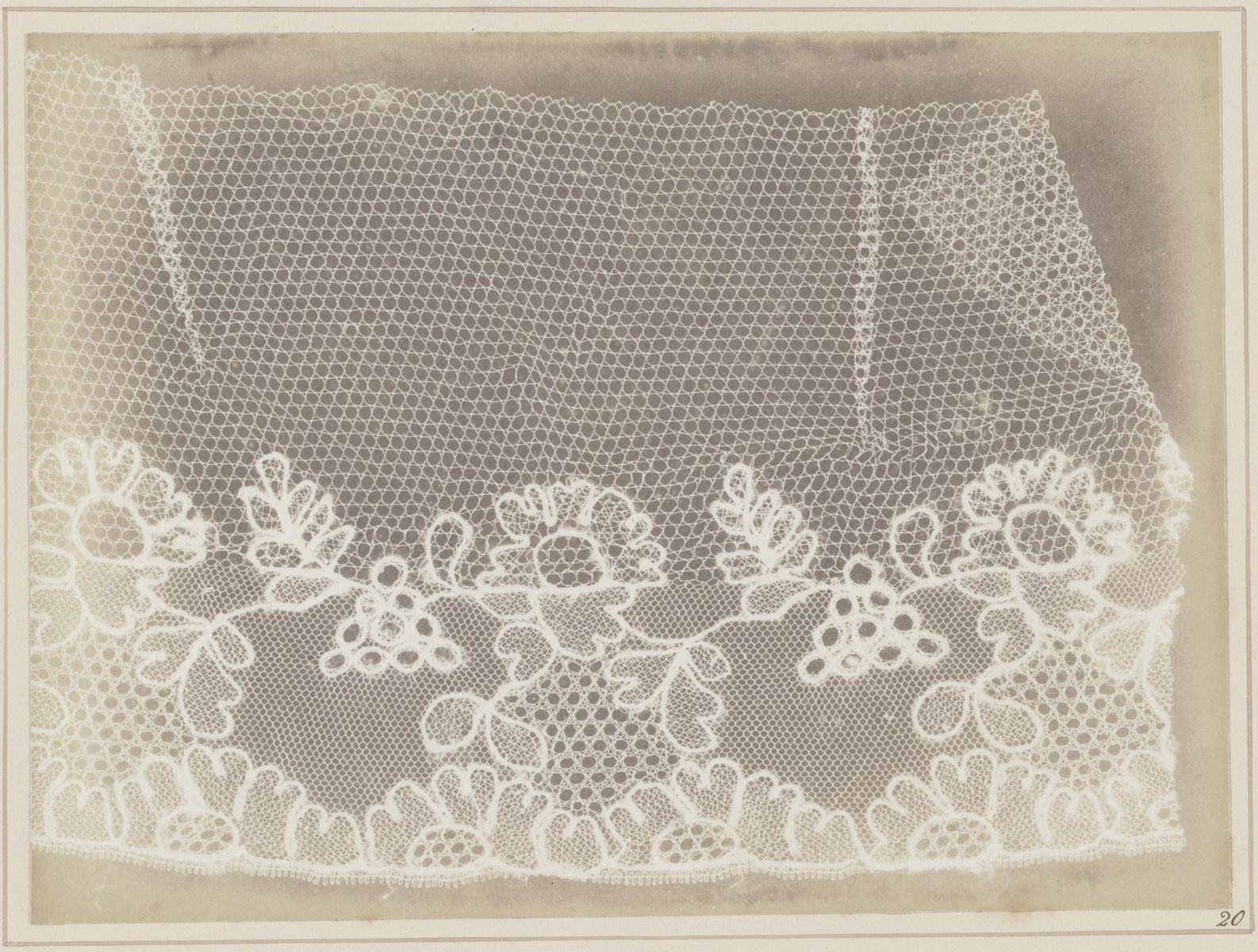
During his early photographic experiments in the 1830s, William Henry Fox Talbot created what he called photogenic drawings. By placing objects such as leaves, lace, and other materials directly onto light-sensitive paper and exposing them to light, Talbot produced images that recorded their shapes and varying degrees of transparency. These experiments demonstrated that photography could reveal intricate details without requiring a lens or conventional camera, and they established an artistic principle that would become important to later generations of experimental photographers: an image could be constructed directly through the interaction of objects, light, and photographic materials.
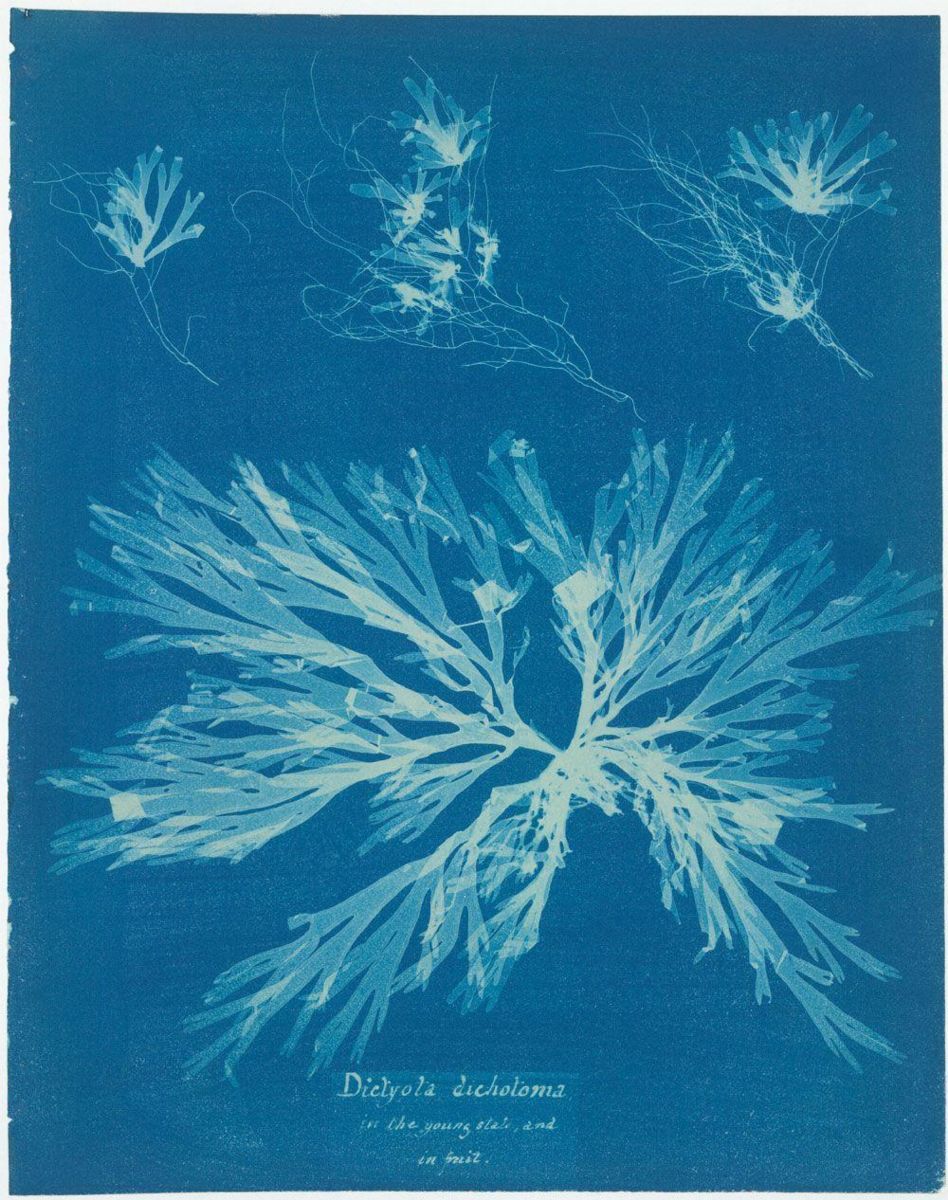
Developed by Sir John Herschel in 1842, the cyanotype is a photographic printing process that produces a distinctive Prussian blue image. The process uses light-sensitive iron compounds rather than the silver-based chemistry associated with many other traditional photographic techniques. One of its most important early practitioners was the English botanist and photographer Anna Atkins, who placed specimens of algae and other plants directly onto sensitized paper, exposing them to sunlight to produce highly detailed botanical images. Beginning in 1843, she published Photographs of British Algae: Cyanotype Impressions, widely recognized as the first book illustrated with photographic images. Her work occupies a fascinating position between scientific documentation and fine art — the delicate silhouettes of plants, combined with the intense blue background of the cyanotype, produce compositions that remain visually compelling nearly two centuries later.
During the early twentieth century, artists began exploring cameraless photography as a form of avant-garde artistic expression. Man Ray, Christian Schad, and László Moholy-Nagy experimented with placing everyday objects directly onto photographic paper, creating images that emphasized shape, transparency, abstraction, and unexpected visual relationships. Man Ray called his own photograms rayographs. By arranging objects on light-sensitive paper and exposing them to light, he created compositions that could appear dreamlike, mysterious, or completely abstract — challenging the idea that photography needed to depict the visible world in a recognizable way. This experimental tradition continues to influence contemporary abstract photography. Explore contemporary photographic interpretations of abstraction in the Jongas Artsy Abstract Photography Collection.
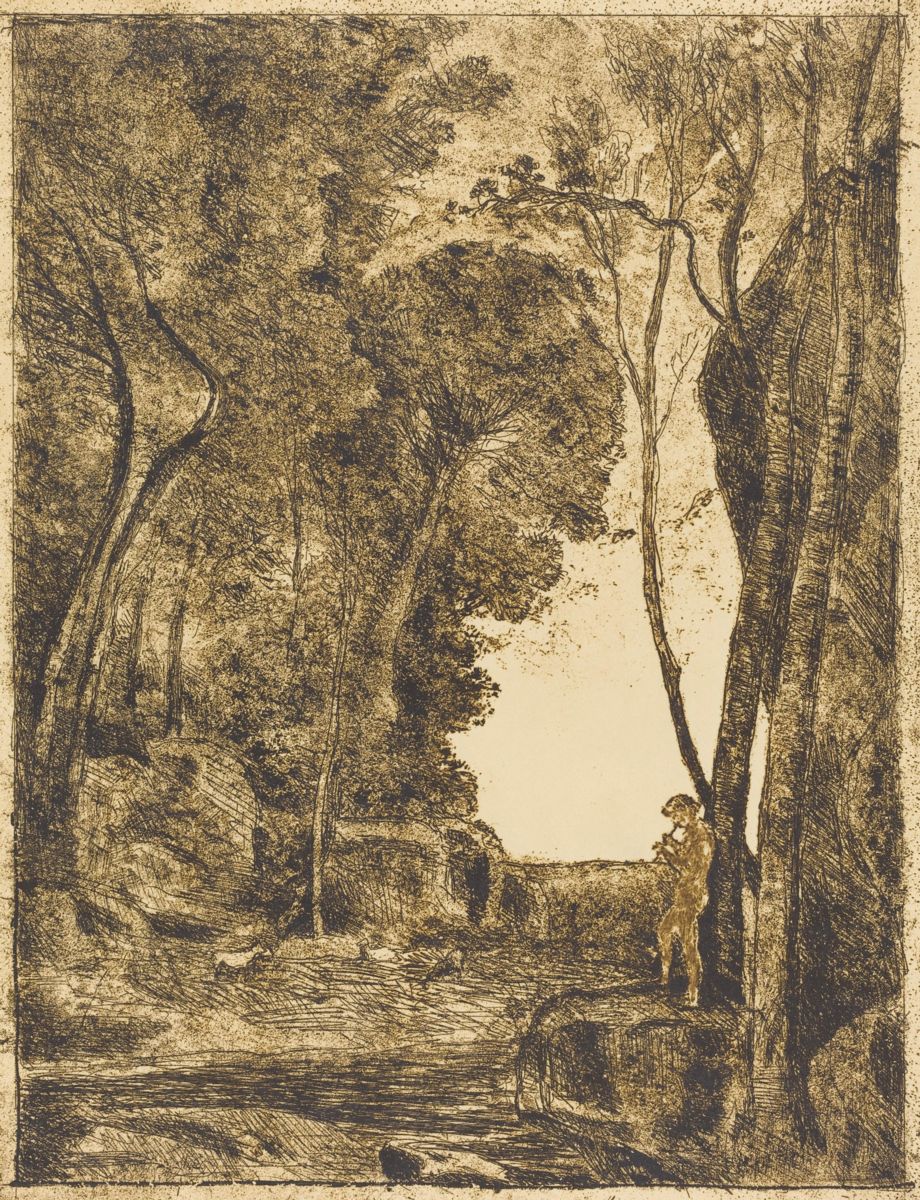
Another remarkable historic process is cliché-verre, a hybrid technique that combines elements of drawing, printmaking, and photography. Instead of photographing a subject with a camera, the artist creates a design on a transparent glass plate. Areas of the plate are made opaque, while drawn or scratched lines allow light to pass through. The glass is then placed over light-sensitive photographic paper and exposed to light, transferring the hand-created design into a photographic print. The nineteenth-century French landscape painter Jean-Baptiste-Camille Corot was among the most notable artists to experiment with this technique, and his cliché-verre works demonstrate how photographic materials could reproduce the expressive qualities of drawing and etching — challenging the assumption that painting, drawing, printmaking, and photography must exist as entirely separate artistic disciplines.
What is traditional photography in simple terms?
Traditional photography is the creation of photographs using light-sensitive film or other photographic materials, usually followed by chemical processing. It is most commonly associated with film cameras, photographic negatives, and darkroom printing.
What is the difference between traditional and digital photography?
Traditional photography records images on light-sensitive film or photographic plates, while digital photography records images electronically using a digital sensor. Traditional film requires chemical processing, whereas digital images can be viewed and processed electronically.
Is traditional photography the same as film photography?
Film photography is the most common form of traditional photography. However, traditional photography also includes earlier photographic techniques, such as daguerreotypes, glass plate photography, cyanotypes, and other historic processes.
Can photography be created without a camera?
Yes. Cameraless photographic techniques include photograms, cyanotypes, rayographs, and cliché-verre. These processes create images by exposing light-sensitive materials directly through objects, transparent designs, or other arrangements of light and shadow.
Did photographers edit photographs before Photoshop?
Yes. Traditional photographers used darkroom dodging and burning, combination printing, negative retouching, specialized printing processes, and techniques such as solarization to alter the appearance of photographs long before digital editing software existed.
Is traditional photography considered fine art?
Yes. Traditional photography is an established fine art medium. Photographic works created using film, glass plates, and historic printing processes are collected and exhibited by major art museums, galleries, and private collectors around the world.
The Evolution of Traditional Photographic Prints
One of the most important aspects of traditional photography is the physical photographic print. Today, we often think of photographs as images that exist on screens. But for much of photographic history, the print was the primary way an audience experienced a photograph, and the choice of printing method was therefore an artistic decision as much as a technical one.
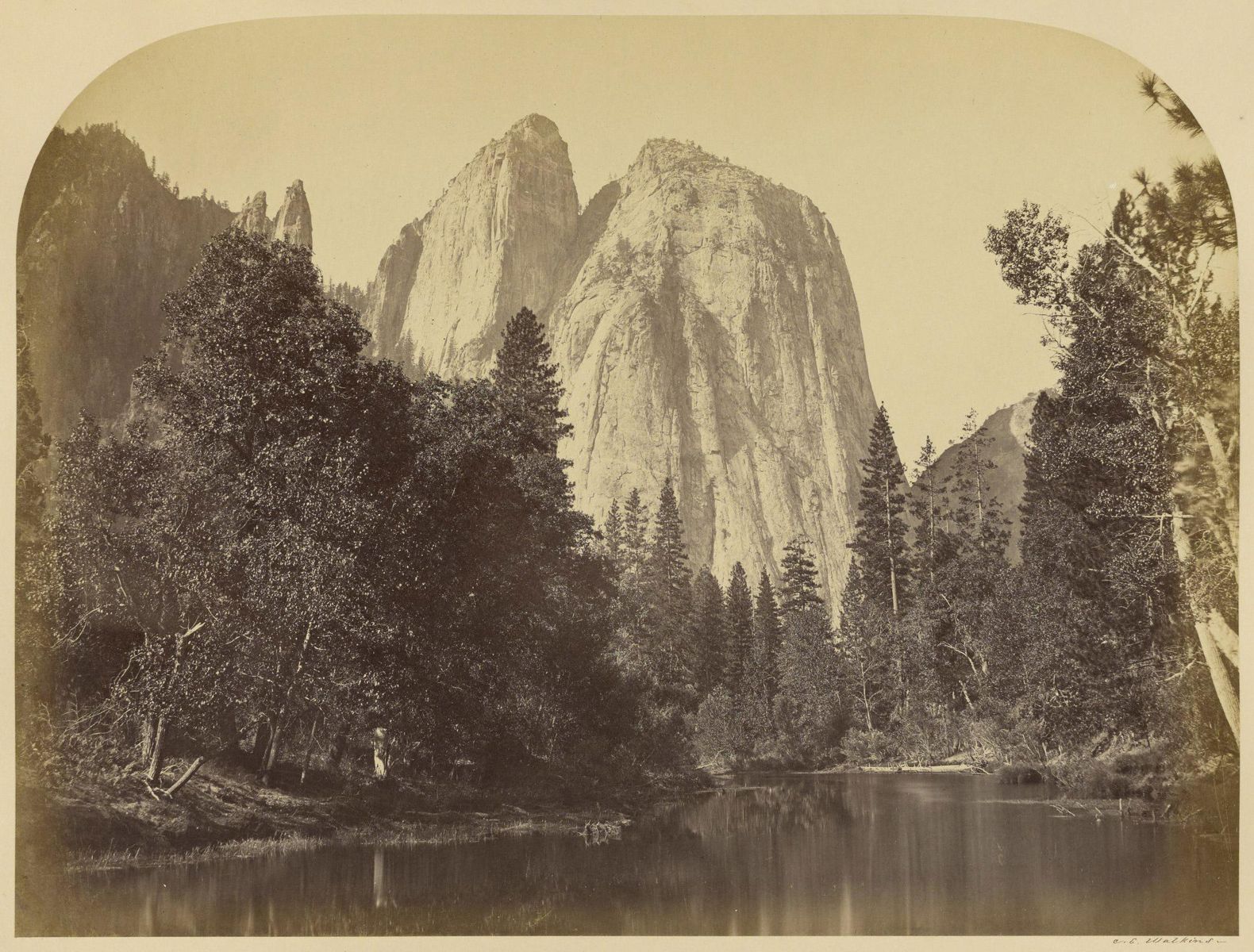
Albumen printing became one of the dominant photographic printing processes of the nineteenth century. The process used egg whites to bind light-sensitive silver compounds to the surface of photographic paper, and albumen prints were valued for their fine detail and relatively smooth surface. Many of the remarkable nineteenth-century photographs of Yosemite by Carleton Watkins were produced as albumen silver prints, demonstrating that the tradition of large, carefully crafted landscape photographic prints began long before modern digital printing technology.
Platinum printing became particularly important to fine art photographers during the late nineteenth and early twentieth centuries. Unlike silver-based photographic processes, platinum printing creates an image using platinum deposited within the fibers of the paper. The resulting prints are often admired for their subtle tonal transitions, matte appearance, and potential longevity. Platinum printing also became an important medium for Pictorialist photographers, who valued the expressive qualities of photographic materials.
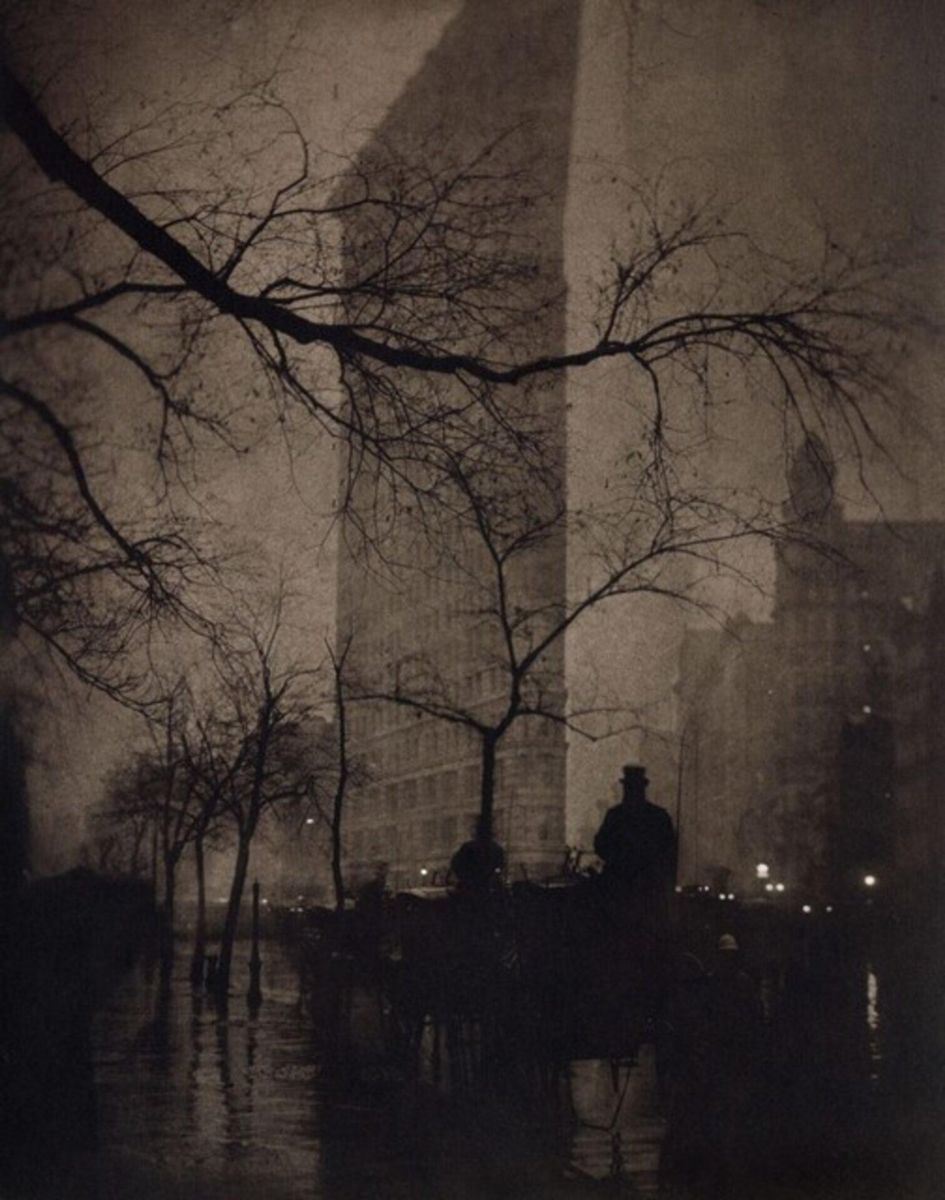
Gum bichromate printing is a pigment-based photographic process that allows the artist to exercise considerable control over the appearance of the finished image. By combining pigments with a light-sensitive preparation and applying it to paper, photographers could produce images with qualities resembling watercolor, charcoal, or other traditional artistic mediums. Edward Steichen's celebrated photograph The Flatiron (1904) demonstrates how photographic and pigment-printing techniques could be combined to produce an atmospheric interpretation of an urban landscape.
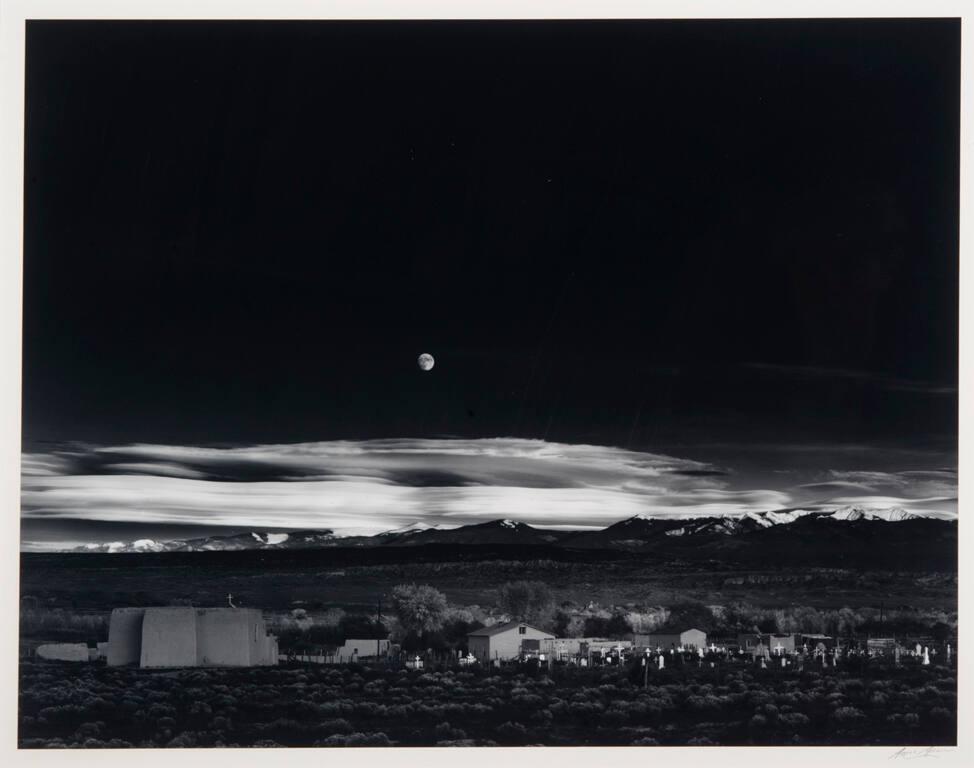
A gelatin silver print is a photographic print made using paper coated with a gelatin emulsion containing light-sensitive silver halide crystals. It became one of the most important photographic printing processes of the twentieth century, particularly in black and white fine art photography. Its characteristic qualities can include rich blacks, delicate highlights, and a continuous range of intermediate tones. Many of the most celebrated photographs by Ansel Adams, Edward Weston, and other twentieth-century photographers were produced as gelatin silver prints, and the process became closely associated with the detailed, tonally expressive photographic aesthetic championed by Group f/64 and other practitioners of Straight Photography. For collectors, the significance of these prints extends beyond the image itself — the physical print represents a particular interpretation of the negative, made through the photographer's choice of paper, exposure, contrast, and darkroom technique, meaning two prints created from the same negative may possess noticeably different visual characteristics.
Traditional Photography vs. Digital Photography
The most obvious difference between traditional and digital photography is the method of recording an image. Traditional photography uses light-sensitive film or photographic materials, while digital photography uses an electronic image sensor. However, the differences extend beyond the camera itself.
Image capture relies on photographic film or plates in traditional photography, versus an electronic image sensor digitally. Image processing is chemical in the traditional workflow, electronic and software-based in digital. Image review typically comes after development in traditional photography, whereas digital photographers see results immediately on a screen. Light sensitivity in traditional photography is determined primarily by film selection and exposure strategy, while digital cameras offer adjustable ISO settings. Visual texture manifests as film grain and emulsion characteristics in traditional photography, versus pixel structure and digital noise characteristics digitally. Editing in the darkroom employs retouching and printing adjustments, while digital photographers use editing software. The original image is a physical negative, transparency, or direct-positive photograph in traditional photography, and a digital image file in digital. Final presentation for traditional photography consists of traditional photographic prints or modern prints produced from scanned film, while digital photography can appear on digital displays or physical photographic prints.
Neither medium is inherently more artistic than the other. Film offers distinctive physical characteristics and a particular working experience. Digital photography offers extraordinary flexibility, precision, and creative control. What ultimately matters is how the photographer uses the medium to express an artistic vision.
Is Traditional Photography the Same as Analog Photography?
Traditional photography and analog photography are closely related terms, and they are frequently used interchangeably. Analog photography specifically describes photographic processes that record images through physical and chemical means rather than digital sensors, with film photography as its most familiar form. Traditional photography can have a slightly broader meaning — in addition to describing analog techniques, it can refer to historic photographic practices, classical approaches to composition, and the craftsmanship associated with photographic printmaking.
For example, a landscape photographer using a digital camera may carefully compose an image, wait for natural light, work with precise exposure settings, and produce a gallery-quality physical print. Although the capture process is digital, the photographer is working within a longstanding artistic tradition. There are also hybrid workflows — a photographer may capture an image on film, develop the negative, scan it at high resolution, and use digital tools to prepare a finished print. In this case, traditional and modern photographic techniques become complementary rather than opposing methods.
How Traditional Photography Became Fine Art
Today, photographic prints are displayed in major museums, collected by art enthusiasts, and sold through the world's most prestigious galleries and auction houses. But photography was not always accepted as a legitimate form of fine art. When photography emerged in the nineteenth century, critics questioned whether a machine could create art. What these critics underestimated was the enormous range of decisions involved in creating a photograph — decisions about subject, composition, light, timing, perspective, exposure, development, and presentation.
During the late nineteenth and early twentieth centuries, Pictorialist photographers used soft focus, atmospheric lighting, specialized printing processes, and extensive darkroom manipulation to create photographs with qualities associated with painting and drawing. Artists such as Alfred Stieglitz, Edward Steichen, and Gertrude Käsebier helped demonstrate that photography could express mood, emotion, and individual artistic vision. Gum bichromate and platinum printing became particularly important to artists seeking a photographic image with expressive, painterly qualities. Edward Steichen's The Pond—Moonlight (1904) is an outstanding example, with its atmospheric landscape and subtle color effects demonstrating how photographic materials could be used to produce a highly individual work of art.
As photography developed, another generation of artists began to question whether photographs needed to resemble paintings to be considered art. Straight Photography emphasized the distinctive qualities of the photographic medium: optical detail, precise composition, tonal clarity, and the camera's ability to reveal the physical world in ways other mediums could not. In 1932, Group f/64 was established in California. Its members included Ansel Adams, Edward Weston, and Imogen Cunningham. Their work demonstrated that a photograph did not need to imitate another art form — photography possessed its own visual language. These movements were part of a much larger conversation about what art is, how artists express themselves, and how new technologies challenge established artistic traditions. That conversation is explored further in our article on classical fine art and photography's transformation of the art world.

Famous Traditional Photographers Who Changed Art
The history of traditional photography is filled with artists whose work continues to influence contemporary photographers. Ansel Adams (1902–1984) is perhaps the most recognizable example of traditional landscape photography elevated to fine art. His photographs of Yosemite National Park and the American West demonstrate the extraordinary expressive potential of black and white film, and his approach — particularly his emphasis on visualizing the finished photograph before releasing the shutter — remains relevant to digital photographers today. Read more about his artistic philosophy and legacy in our article Ansel Adams — More Than a Famous Landscape Photographer.
Edward Steichen (1879–1973) originally trained as a painter and became one of the leading figures of Pictorialism, before eventually moving away from the painterly aesthetic and embracing a sharper, more direct photographic style. His career reminds us that traditional photography was never limited to a rigid set of rules — its greatest practitioners were often the artists most willing to question their own methods and reinvent themselves. Edward Weston (1886–1958) demonstrated how ordinary objects could become extraordinary works of art through precise photographic observation, transforming peppers, shells, and natural forms into studies of texture, shape, and abstraction. Imogen Cunningham (1883–1976) brought versatility to traditional photography through botanical photographs, portraits, and experimental compositions, while Henri Cartier-Bresson (1908–2004) demonstrated the artistic possibilities of spontaneous observation, working primarily with a small 35mm camera and becoming associated with the concept of the decisive moment.
Ansel Adams' Zone System: Mastering Light and Tonal Range
One of the most important technical developments in traditional landscape photography was the Zone System, developed by Ansel Adams and Fred Archer around 1940. The Zone System provided photographers with a systematic method for connecting the brightness of a scene to the tonal values of a photographic negative and the finished print. Rather than simply measuring the overall brightness of a landscape, a photographer could evaluate individual areas of the scene and decide how those areas should appear in the final photograph.
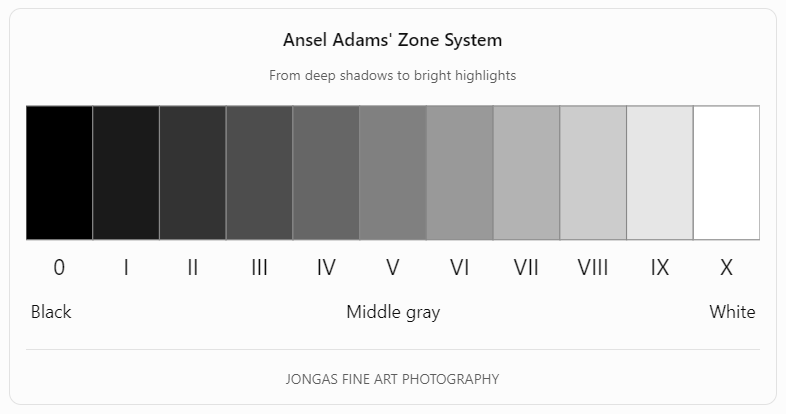
The Zone System is commonly illustrated using eleven tonal zones, numbered from Zone 0 to Zone X. Zone 0 represents the deepest black in a print, Zone V represents middle gray, and Zone X represents the white of the photographic paper. Each successive zone corresponds to a one-stop exposure difference. For example, a landscape photographer might decide that dark rocks in the foreground should retain visible texture while snow-covered mountains should appear bright without losing their important details. By measuring the brightness of these areas and controlling exposure and film development, the photographer could work toward a negative capable of producing the desired tonal relationships.
Contemporary digital photographers have access to luminosity masking, a digital editing technique that creates selections or masks based on the brightness values of pixels within an image. There is an interesting conceptual connection between this technique and the Zone System — both approaches emphasize understanding and controlling tonal values rather than accepting the camera's initial interpretation of a scene as the final image. However, the Zone System helps determine how the brightness of a scene is recorded and translated through exposure, development, and printing, while luminosity masks operate on image information that has already been captured. Nevertheless, both reflect an enduring artistic principle: the photographer should be able to control how light and shadow communicate within the finished image.
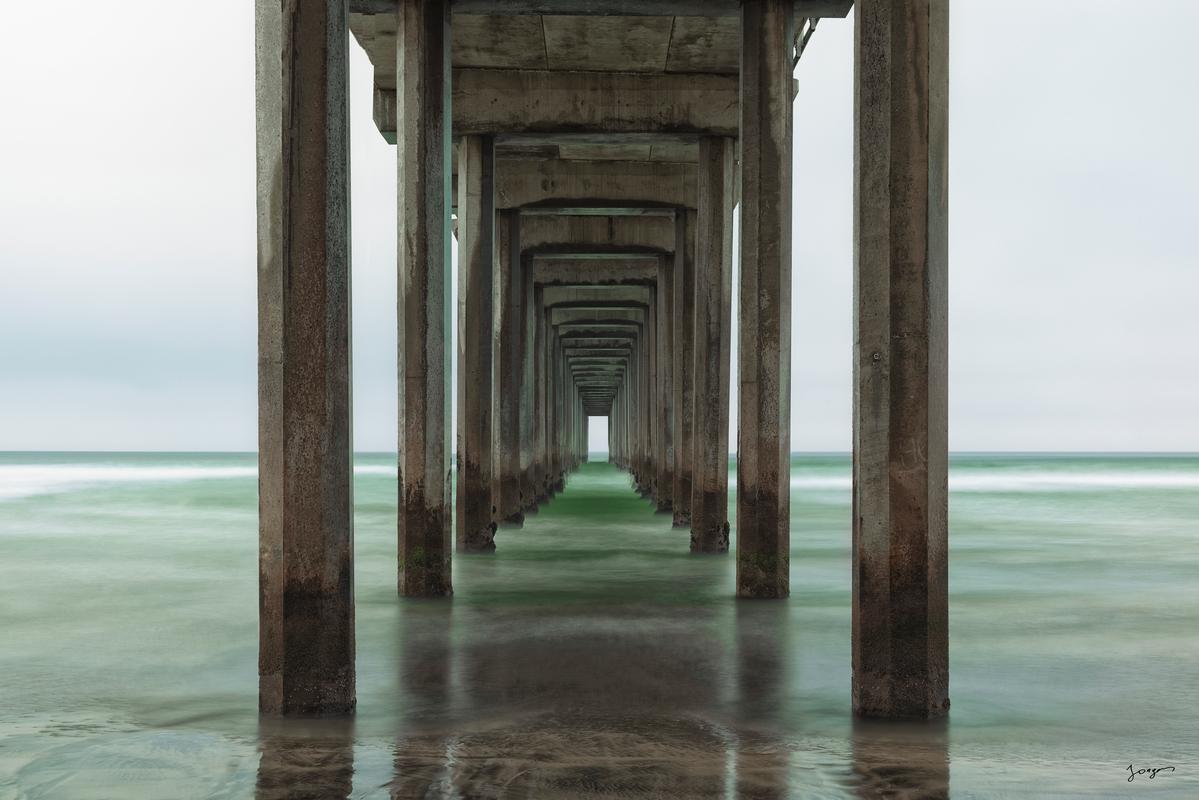
Was Traditional Photography Really Unedited?
One of the most persistent misconceptions about traditional photography is that photographs made before the digital era were completely unedited. In reality, photographers have been manipulating photographic images almost since the invention of the medium. Long before Photoshop, artists used darkroom techniques, specialized printing processes, multiple negatives, and physical retouching to change the appearance of photographs.
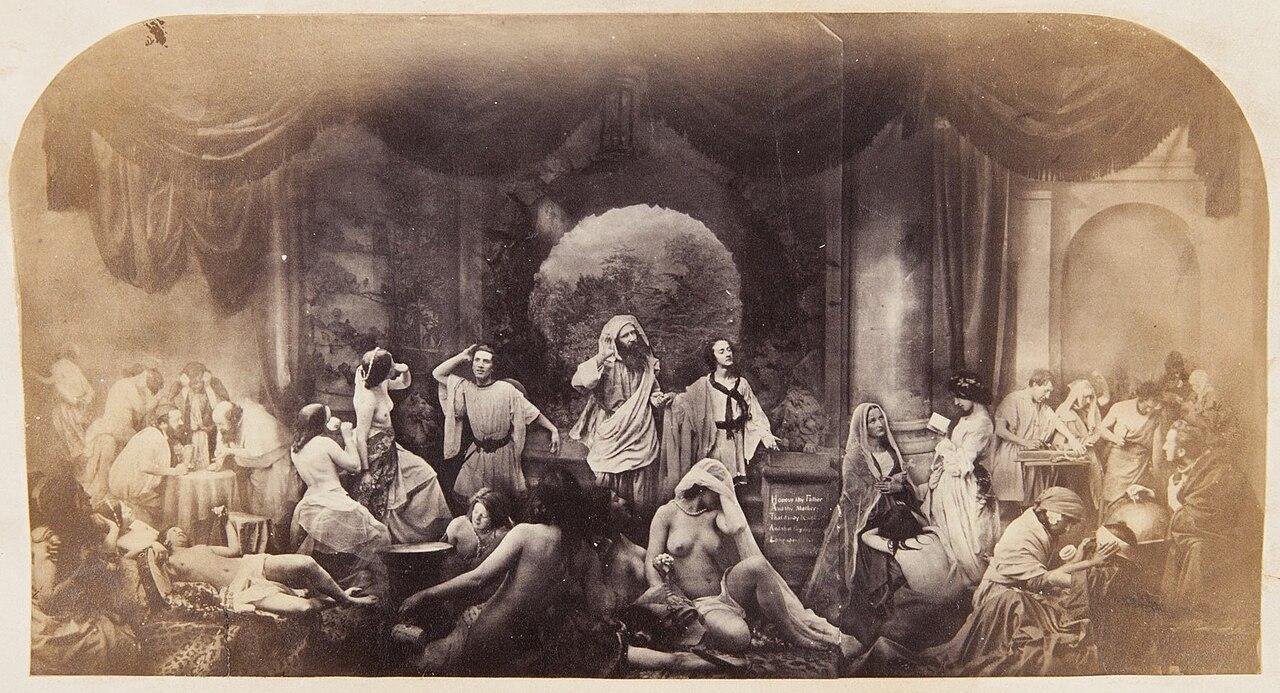
During the nineteenth century, photographers sometimes combined multiple negatives to create a single photographic composition — a technique known as combination printing. Oscar Gustave Rejlander's celebrated work The Two Ways of Life (1857), created from numerous negatives, demonstrated the extraordinary creative possibilities of photographic composition. Other photographers combined separately exposed skies and landscapes to overcome technical limitations or achieve a desired visual effect. These historic practices provide an interesting comparison with modern exposure blending and photographic compositing.
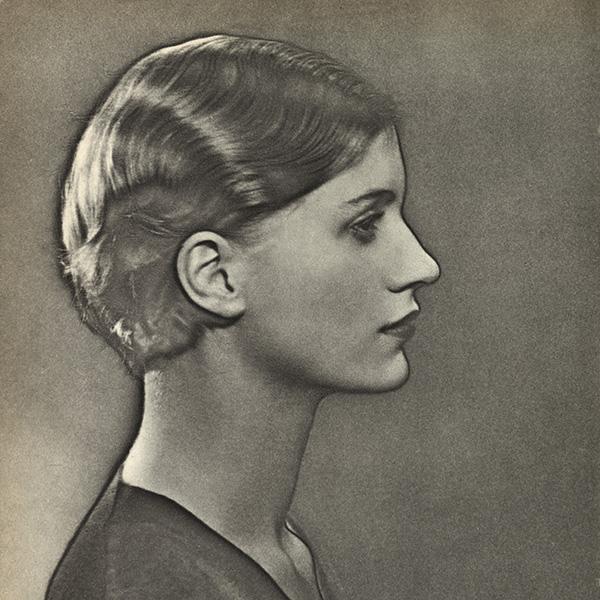
Traditional photographers sometimes worked directly on negatives or prints to alter details, soften imperfections, or introduce artistic effects. Pictorialist photographers went further, using specialized printing processes, pigments, and manual intervention to transform photographic images into expressive works of art. Another fascinating example is the effect commonly known as solarization — more precisely known as the Sabatier effect — in which a partially developed photographic image is briefly exposed to additional light, producing a partial reversal of tones and distinctive outlines. During the late 1920s and early 1930s, Man Ray and Lee Miller became closely associated with this technique, creating compositions that appeared dreamlike and surreal.
Even Ansel Adams, frequently associated with photographic realism, exercised considerable control over the appearance of his finished prints — different prints made from the same negative could vary in contrast, brightness, and tonal interpretation. The darkroom was not merely a place where photographs were processed; it was an important part of the artistic process. This distinction matters today because digital editing is sometimes criticized as though photographic interpretation began with Photoshop. It did not. The more meaningful questions are what the photographer is trying to communicate, how the image was created, and whether the finished work is presented honestly to its audience.
Traditional Photography and the Art of Landscape Photography
Landscape photography has one of the strongest connections to the history of traditional art. Long before cameras existed, painters traveled into mountains, forests, and coastal environments to interpret the natural world. Artists such as Thomas Cole, Albert Bierstadt, and John Constable devoted their careers to understanding the relationship between landscape, light, atmosphere, and human emotion. When photography emerged, it provided another way to explore those same subjects.
The nineteenth-century photographer Carleton Watkins created monumental photographs of Yosemite using large glass plate negatives. His images helped introduce distant audiences to the extraordinary landscapes of the American West, and his albumen prints demonstrated that photography could produce large, carefully composed works capable of communicating the grandeur of the natural world. Decades later, Ansel Adams continued that tradition, producing photographs that communicated not only the appearance of the landscape but also its emotional and spiritual significance.
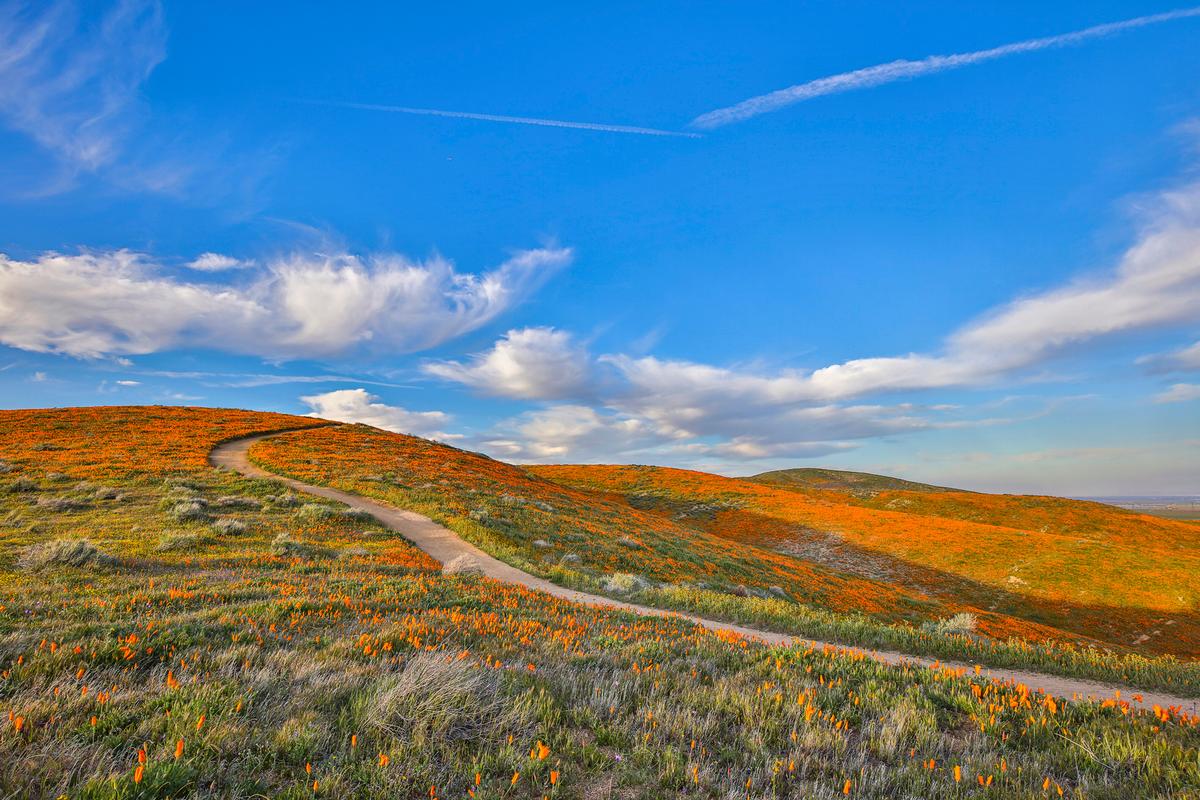
Modern landscape photographers work within this same artistic lineage. We still travel to remote locations. We still study the movement of light across mountains, trees, water, and rock. We still search for the particular moment when a landscape becomes something more than a geographical location. The tools have evolved, but the artistic challenge has not. You can see contemporary interpretations of this tradition in the Jongas Landscape Photography Collection, where photographs of the natural world are created with an emphasis on composition, atmosphere, light, and large-scale artistic presentation.
Why Traditional Film Photography Still Matters Today
Digital cameras have transformed photography, offering capabilities that earlier photographers could scarcely have imagined. Yet film photography continues to attract both established artists and new generations of photographers. Part of its appeal comes from the distinctive appearance of film — grain, tonal response, color characteristics, and the physical qualities of photographic emulsions can produce a visual experience that differs from digital capture. But the appeal goes deeper than appearance.
With a limited number of exposures available on a roll of film, photographers may become more selective about the images they create. Instead of relying on immediate feedback, they must develop confidence in their understanding of exposure, composition, and light. Film encourages a particular relationship with uncertainty — the photographer creates an image without immediately knowing exactly how it will appear after development, and for some artists, this uncertainty becomes part of the creative experience.
A film negative is also a physical object. It can be examined, archived, printed, and revisited years or decades after the photograph was taken. Traditional photographic prints possess material characteristics that are inseparable from the artwork itself — the paper, surface, tonal qualities, and printing process influence how the viewer experiences the image. A platinum print, a cyanotype, and a gelatin silver print may communicate entirely different visual qualities, even when created from related photographic imagery. In an age when most photographs are viewed briefly on screens, this physical relationship with photography remains especially meaningful.
My Perspective as a Fine Art Landscape Photographer
One of the things that fascinates me about traditional photography is how much of its philosophy remains relevant to the way I approach modern landscape photography. Modern camera technology allows photographers to capture an extraordinary amount of detail, work in difficult lighting conditions, and produce large photographic prints with exceptional clarity. But none of that technology can decide where to stand, what to include in the composition, or when the light has reached the point where a landscape becomes extraordinary. Those decisions still belong to the photographer.
When I look at the history of landscape photography, from the enormous glass plate cameras of Carleton Watkins to the meticulously crafted negatives of Ansel Adams, I see photographers facing many of the same artistic questions that I face today. How do you communicate the scale of a mountain? How do you translate the atmosphere of a forest into a two-dimensional image? How do you guide the viewer's attention through a composition? And how do you transform a photograph of a familiar place into something that feels personal and distinctive? These are not questions that can be answered simply by purchasing a newer camera.
I am also interested in exploring film photography alongside my digital work. There is something compelling about returning to a process where the relationship between the photographer, the camera, and the physical image is so direct. What interests me is not the idea that older technology is necessarily better — it is the opportunity to experience a different way of creating photographs, one that encourages me to think about the image before it exists. Whether I am working with film or a modern digital camera, the goal remains the same: to create a photograph that communicates something about the place, the moment, and the experience of being there. That is what connects contemporary fine art photography to the traditional artists who worked centuries before the invention of the camera.
Can Digital Photography Continue the Tradition of Fine Art?
Yes. Digital photography can belong to the broader tradition of fine art, even though it does not use traditional analog photographic processes. Throughout art history, artists have adopted new materials and technologies — oil paint, new pigments, portable painting equipment, printmaking techniques, and eventually photography itself all expanded the possibilities of artistic expression. The introduction of digital cameras represents another stage in that evolution.
A modern photographer may work with sophisticated electronic equipment while following many of the same artistic principles that guided classical painters and traditional photographers: careful observation of the subject, understanding the relationship between light and form, deliberate composition and visual balance, technical mastery of the chosen medium, individual artistic interpretation, and commitment to the quality of the finished artwork. As discussed in our article What Is a Traditional Artist?, the connection between craft and artistic vision is not limited to a single medium. Digital photography is technologically different from traditional film photography, but it can continue the artistic values that have shaped photography and fine art for generations.
From the Traditional Darkroom to the Modern Fine Art Print
For much of photographic history, the physical print was the primary way audiences experienced photography. From nineteenth-century albumen prints to the platinum and gum bichromate works of the Pictorialists, and later to the gelatin silver prints of Ansel Adams, photographers have continually explored how materials and printing techniques influence artistic expression. These processes did not simply reproduce an image — they helped determine the visual identity of the artwork.
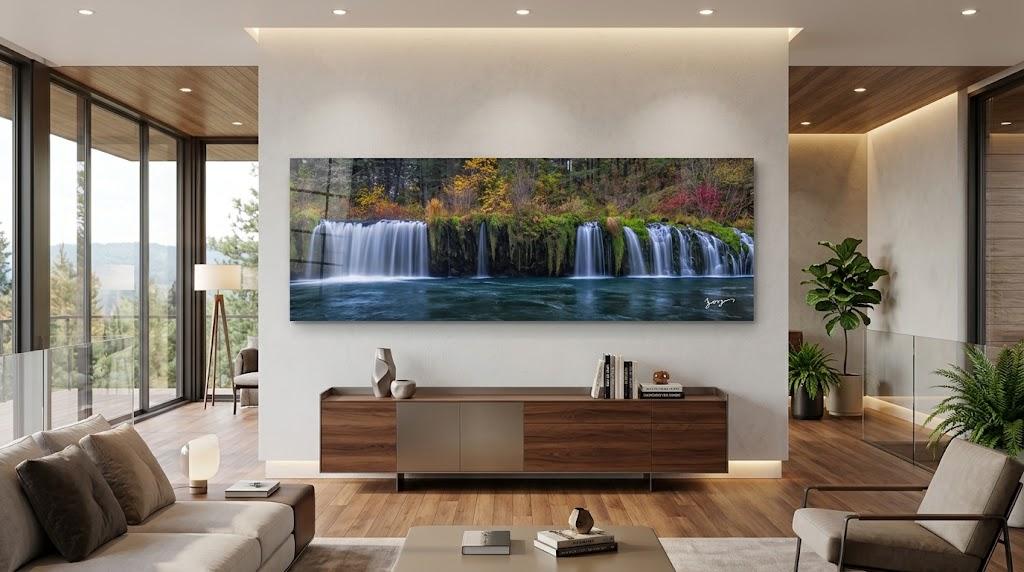
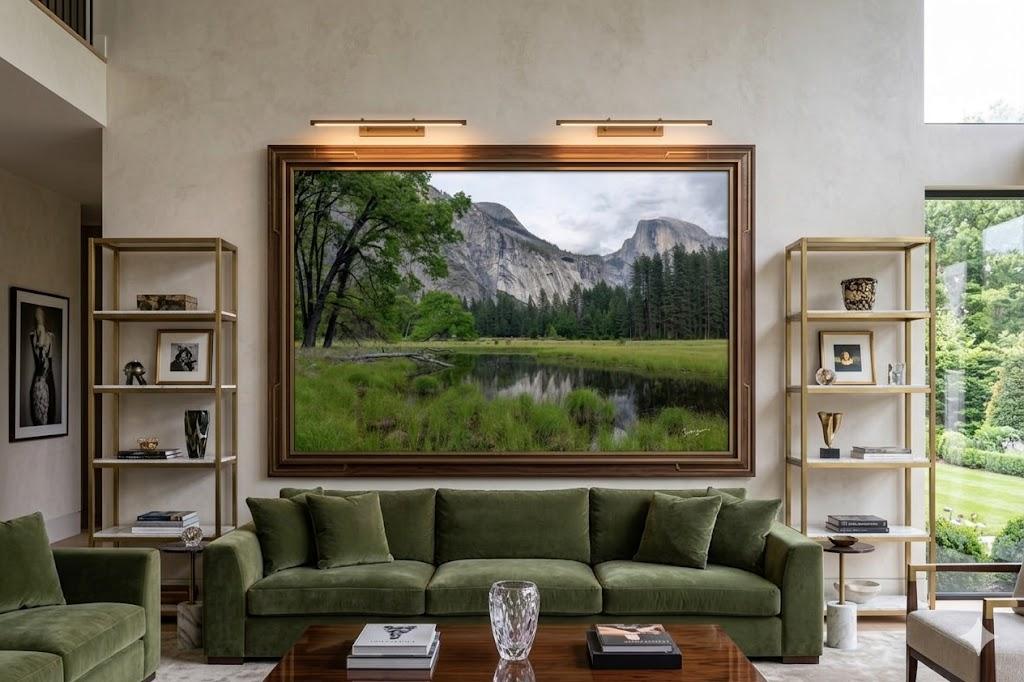
Today, digital technology has expanded the possibilities of photographic printing. Modern photographic papers, advanced color management, specialized printing systems, and contemporary mounting techniques allow photographers to produce large-scale artworks with remarkable detail and tonal richness. At Jongas Fine Art Photography, the finished print is an essential part of the artistic process. Our signature fine art photographs are produced using Lumachrome HD photographic prints face-mounted to TruLife acrylic, delivering exceptional image clarity, rich color, and a refined gallery-quality appearance. TruLife acrylic also provides anti-reflective properties and ultraviolet protection, helping viewers experience the photograph with fewer distracting reflections while offering protection to the artwork.
The materials are contemporary, but the underlying philosophy is rooted in the traditional photographic emphasis on the finished artwork. Just as earlier photographers selected particular papers and printing processes to communicate their artistic vision, contemporary photographers must consider how printing materials, scale, surface characteristics, and presentation influence the final experience. A photograph displayed on a screen and a large photographic print experienced in person are fundamentally different viewing experiences — scale changes the relationship between the artwork and its audience in ways that reveal details that might otherwise go unnoticed. Learn more about how our limited-edition photographs are produced on the Jongas Fine Art Print Creation page.
Traditional Photography, Original Prints, and Art Collecting
The history of traditional photography also helps explain why photographic prints can become highly desirable collectible works of art. Unlike a painting, which is typically created as a single original physical object, many photographs can exist in multiple prints produced from the same negative or digital image. However, this does not mean that every photographic print is identical or possesses the same artistic significance.
Collectors may consider factors such as the photographer's involvement in the printing process, the date of the print, its condition, provenance, printing technique, edition size, and rarity. A historic gelatin silver print produced during a photographer's lifetime may possess a different significance from a reproduction created many decades later. Similarly, an early photographic work produced using a labor-intensive process such as gum bichromate printing may possess individual characteristics that distinguish it from other prints of the same image.
In contemporary fine art photography, limited editions provide a way to control the number of authorized prints offered to collectors. At Jongas Fine Art Photography, limited-edition artworks are signed and numbered and accompanied by a Certificate of Authenticity. This continues an important tradition within photographic fine art: treating the physical print as a carefully produced artwork rather than simply an interchangeable reproduction of an image. For collectors, understanding how a photograph was created and printed can deepen their appreciation of the artwork itself.
The Future of Traditional Photography
Traditional photography is unlikely to disappear simply because newer technologies exist. Painting survived the invention of photography. Film photography survived the arrival of digital cameras. And physical photographic prints continue to occupy an important place in the art world despite the enormous popularity of digital images. Each medium offers something different — film offers a physical recording process, distinctive visual characteristics, and a particular relationship with the act of making an image, while digital photography offers flexibility, precision, and new possibilities for creative expression. Historic photographic processes also continue to attract artists interested in experimentation, handmade objects, and alternative approaches to image-making.
Rather than viewing these approaches as competitors, photographers can explore how they complement one another. The future of photography may involve increasingly sophisticated technologies, but the qualities that make photographs meaningful — observation, imagination, craftsmanship, and individual artistic vision — are unlikely to become obsolete.
Conclusion: Photography Changes, but the Art Remains
Traditional photography represents much more than the history of cameras and photographic film. It is a tradition of looking carefully at the world, understanding light, mastering a medium, and transforming an observation into a finished work of art. From the earliest experiments with light-sensitive plates to the botanical cyanotypes of Anna Atkins, the painterly photographs of Edward Steichen, and the monumental landscapes of Ansel Adams, photographers have demonstrated that photography is not simply a method of recording reality. It is an instrument of artistic expression.
Modern photography continues that tradition. The film may have become a digital sensor. The darkroom may have become a computer. The photographic print may now be presented using advanced materials that earlier photographers could never have imagined. But the most important part of photography has not changed: the human being behind the image, deciding what is worth seeing and how it should be remembered.
Explore the contemporary continuation of this artistic tradition in the Jongas Fine Art Photography Collection, featuring limited-edition landscape, nature, city, and abstract photographic artworks created for collectors and distinctive interior spaces.