Rustic interior design is an aesthetic built on rugged, natural beauty and organic warmth. Rather than sleek surfaces and sharp geometric precision, it celebrates raw textures, weathered finishes, and materials pulled directly from the landscape — wood that still shows its grain, stone that still shows its history, metal that has actually earned its patina rather than had it sprayed on. Done right, a rustic room doesn’t look decorated. It looks like it grew there.
Done wrong, rustic is one of the easiest styles on the planet to fake badly — and one of the fastest to date itself when it’s built from mass-manufactured “distressed” furniture instead of anything genuinely aged. This guide covers what actually defines the style, where it came from, the real sub-styles worth knowing, and how to tell the difference between authentic rustic and a big-box imitation of it.
Key Characteristics
Natural and raw materials form the visual anchor of every rustic space. Reclaimed wood, distressed timber, exposed structural beams, stacked stone, slate, and brick aren’t decorative accents in this style — they’re load-bearing, both structurally and visually. A rustic room without at least one genuinely raw material at its center isn’t really rustic yet.
An earthy color palette pulls its entire range from the outdoors: deep forest greens, rich browns, warm ochres, burnt terracotta, soft stone greys. Nothing in this palette is trying to be bright or clean. Everything in it is trying to look like it belongs outside, brought carefully indoors.
Tactile texture does as much work as color in a rustic room. Heavy linen, wool throws, weathered leather, canvas, and hand-woven jute rugs add physical depth — the kind of texture you register with your hands before you register it with your eyes. A rustic space that only looks right and doesn’t feel right when you touch it has missed half the point.
Handcrafted and weathered details are where the style earns its authenticity. Wrought iron hardware, hand-forged hinges and pulls, patinated metals, and vintage or genuinely antique furnishings with visible grain and real imperfection separate rustic from every catalog imitation of it. A perfectly uniform, factory-distressed table is not the same thing as a table that has actually been used for eighty years, and in a rustic room, that difference is the entire style.
A deliberate connection to the outdoors completes the aesthetic — large windows that frame the actual landscape rather than curtain it off, a stone fireplace as a literal and visual anchor point, and organic decor pulled straight from nature: antlers, branches, handcrafted ceramics, dried botanicals. The outside isn’t kept out. It’s invited to be the room’s main event.
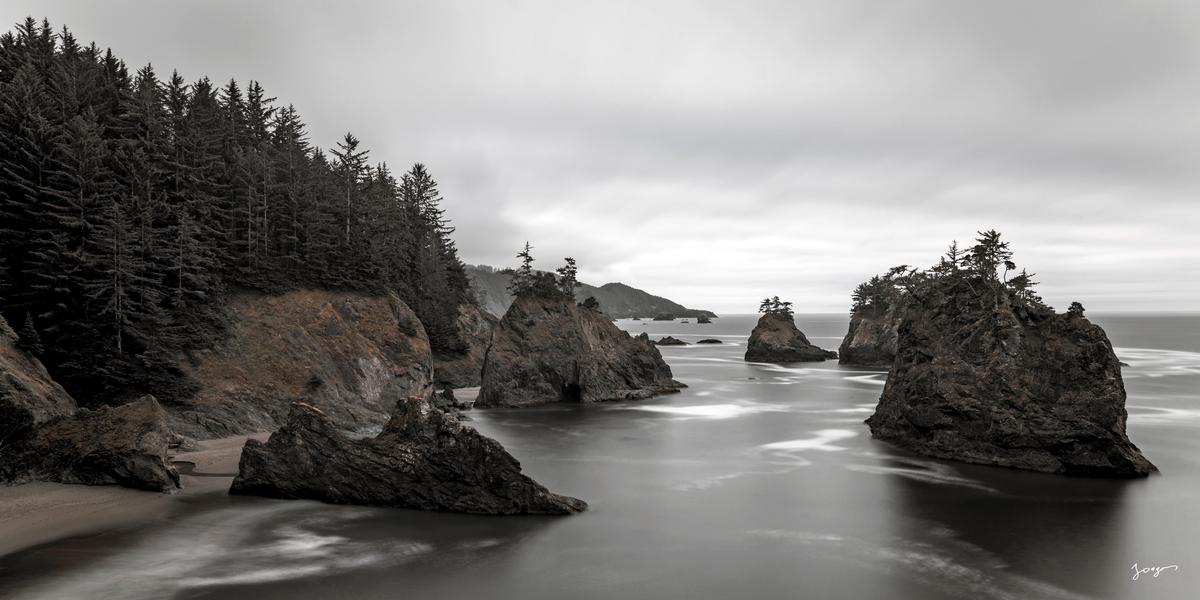
Where Rustic Style Actually Comes From
Rustic design isn’t a modern invention dressed up to look old — it descends directly from real necessity. American pioneer and homestead construction relied on whatever materials were locally available and durable: hewn log walls, stone hearths built from field rock, iron hardware forged by hand because there was no other kind. Nothing about the earliest rustic interiors was aesthetic in intention. It was structural. The style we now choose deliberately was, for the people who built it first, simply how you built a house that would survive a winter.
The aesthetic got formalized and elevated in the early 20th century through what architectural historians call “parkitecture” — the grand timber-and-stone lodges built inside America’s new national park system, designed specifically to look like they belonged to the landscape rather than imposed on it. The Old Faithful Inn at Yellowstone (1904) and the Ahwahnee Hotel in Yosemite Valley (1927) remain the defining examples: massive exposed log framing, towering stone fireplaces, and a deliberate architectural philosophy that the building should feel like an extension of the mountains around it rather than a structure dropped into them. Anyone who has stood inside the Ahwahnee’s Great Lounge, looking out through floor-to-ceiling windows at the same granite walls of Yosemite the room was built to frame, has stood inside the single clearest argument for what rustic design is actually trying to do.
“The style we now choose deliberately was, for the people who built it first, simply how you built a house that would survive a winter.”
Famous Rustic Landmarks
The clearest way to understand rustic design is to stand inside the buildings that actually defined it. These landmarks weren’t decorated to look rustic after the fact — they were built from raw, locally sourced material specifically to make a human structure feel like it belonged to the land around it.
Old Faithful Inn (Yellowstone National Park, Wyoming, 1903–1904, architect Robert Reamer) is widely considered the birthplace of National Park Rustic architecture — the style that later became known as “Parkitecture.” Its dramatic 76-foot central log atrium, built entirely from local lodgepole pine, is anchored by a 500-ton four-sided stone fireplace, with exposed timber balconies stacked overhead and hand-forged wrought iron hardware throughout. It is the single building most responsible for establishing what an American rustic interior was supposed to look like.
The Ahwahnee Hotel (Yosemite National Park, California, 1927, architect Gilbert Stanley Underwood) blends rugged mountain lodge construction with Arts & Crafts refinement, Native American geometric motifs, and Art Deco detailing. Massive granite stone piers and soaring timber ceilings frame hand-woven floor tapestries, while floor-to-ceiling windows — set in raw timber frames — open directly onto Half Dome and Glacier Point, exactly as intended.
Timberline Lodge (Mount Hood, Oregon, 1937, Gilbert Stanley Underwood and WPA artisans) was built during the Great Depression as a Works Progress Administration project, deliberately showcasing handcrafted American rustic trades at a moment when the country needed both work and a reason for pride in it. A 92-foot hexagonal stone fireplace anchors the interior, surrounded by hand-carved wooden newel posts shaped into regional wildlife — bears, owls, wolves — alongside hand-hewn Ponderosa pine beams, raw iron light fixtures, and hand-woven wool rugs.
The Great Camps of the Adirondacks, epitomized by Camp Sagamore (designed by William West Durant in 1897) in upstate New York, pioneered the Adirondack Rustic aesthetic in the late 19th century and went on to influence lodge and cabin design across the entire continent. Unpeeled log walls, live-edge wood trim, birch bark ceiling panels, hand-crafted twig furniture, and massive fieldstone hearths built from stone harvested directly on site define the look — rustic design at its most literally homegrown.
Hermit’s Rest and the Desert View Watchtower (Grand Canyon, Arizona, 1913–1932, architect Mary Elizabeth Jane Colter) were designed to look as though early pioneers or Indigenous builders had constructed them using native stone and ancient masonry methods. Hermit’s Rest features an alcove hearth built from unworked canyon boulders, rough-hewn log ceiling joists, and wrought-iron lanterns — a deliberately theatrical rusticism built by one of the very few prominent female architects working in America at the time.
Fallingwater (Mill Run, Pennsylvania, 1935–1939, architect Frank Lloyd Wright) belongs on this list for a different reason than the rest — it’s the primary world example of Organic, or Rustic, Modernism. Rather than imitating a pioneer cabin, Wright integrated modern concrete cantilevers directly with raw, natural material: stacked Pottsville sandstone walls, flagstone floors waxed until they resemble wet river rock, and a living room boulder left protruding straight up through the floor from the bedrock beneath it. Fallingwater proves the rustic philosophy doesn’t require log construction at all — only an honest, unhidden relationship between a structure and the raw material it’s built from.
Who’s Designing Rustic Today
Barclay Butera, working out of Newport Beach and Park City, is known for a Refined Mountain Rustic and Western Elegant sensibility — bringing a polished, luxury feel to traditional mountain homes by pairing heavy timber, cozy plaid wool, and distressed leather with tailored upholstery and classic pattern work.
Charles Cunniffe, based in Aspen, Colorado, defines High-Alpine Modern Rustic — integrating monumental glass walls with raw, unpolished stone masonry and massive timber beams, closing the gap between dramatic mountain landscape and true ultra-luxury interior design.

William Peace of Peace Design, working between Atlanta and Bozeman, Montana, is celebrated across the Rocky Mountain West — Big Sky, Jackson Hole — for a deeply grounded, Organic Architectural Rustic approach built on reclaimed barn wood, patinated metals, hand-forged iron, and neutral, earthy textiles that feel native to the surrounding terrain.
JLF Architects & Design, based in Jackson Hole and Bozeman, has been repeatedly recognized for pioneering the modern-rustic movement across the American West — honoring regional heritage by repurposing historic pioneer structures and weathered barn timber into sprawling contemporary mountain sanctuaries.
Locati Interiors, based in Bozeman, helped define the aesthetic of Montana’s Yellowstone Club and the ski estates surrounding it — soaring timber trusses, oversized stone hearths, custom iron light fixtures, and tactile, layered furniture arrangements built around Classic Montana Mountain Lodge style.
Miller-Roodell Architects, also based in Bozeman, specialize in Rustic Craftsmanship and Homestead Design — homes built to look as though they’ve sat naturally on the land for a century, using rusted steel, rough-sawn cedar, and heavy flagstone underfoot.
The Real Sub-Styles
Rustic Modern blends rugged, natural textures with clean lines and contemporary minimalism — sleek lighting fixtures, open floor plans, and smooth architectural surfaces balanced against a single dominant reclaimed-wood element, like a live-edge dining table or a rough-hewn ceiling beam left exposed against otherwise minimal white walls. This is rustic for people who want warmth without clutter, and it’s the sub-style with the most crossover into contemporary interior design.
Modern Farmhouse is leaner and brighter than traditional rustic, built around a crisp, light-toned backdrop rather than deep earth tones. Shiplap walls, neutral palettes, black iron hardware, and slipcovered seating define the look — a style that borrows rustic’s material honesty while trading its darker, heavier mood for something more casual and family-oriented.
Mountain Lodge / Cabin is the traditional, heavy-timber interpretation, built for maximum warmth and shelter rather than lightness. Substantial exposed log or timber framing, oversized stone fireplaces, deep leather seating, and layered wool textiles create a space designed to feel protective against the cold outside it — the direct architectural descendant of the parkitecture lodges described above.
Western / Ranch Rustic leans into the specific material and decorative vocabulary of the American Southwest and cattle country — leather, cowhide, turquoise and copper accents, wagon-wheel and horseshoe hardware, and a warmer, more saturated palette than mountain lodge style. It’s rustic filtered through Texas and New Mexico rather than through the Rockies.
Scandinavian Rustic pairs the same natural-material honesty with a lighter, more minimal Nordic sensibility — pale unfinished wood instead of dark heavy timber, sheepskin instead of cowhide, a restrained palette of white, grey, and soft wood tone. This is the closest rustic sub-style to hygge, prioritizing coziness through simplicity rather than through visual density.
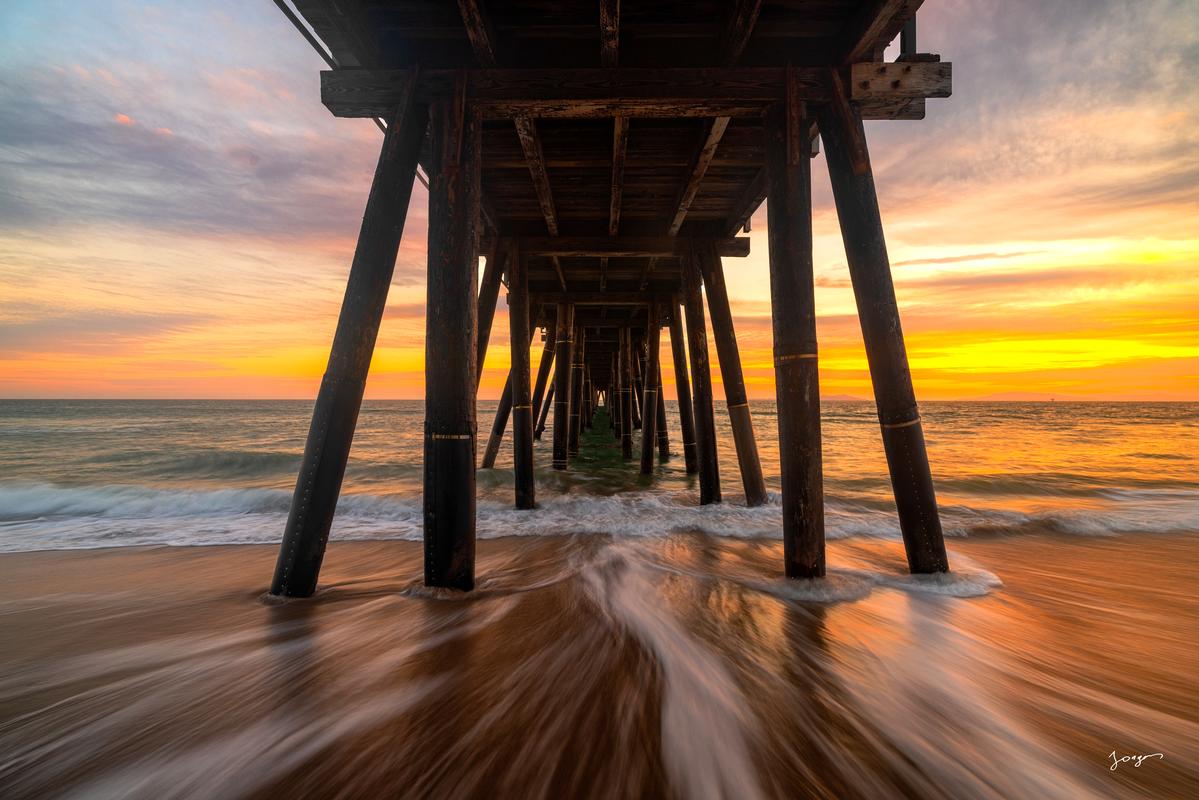
Coastal Rustic takes the same raw-material philosophy and applies it to weathered driftwood, rope, worn painted wood, and a bleached, salt-faded palette rather than a forest one — rustic built for a beach house instead of a cabin, sharing more DNA with beach style than with mountain lodge.

Materials Worth Knowing Before You Buy
Reclaimed wood should genuinely be reclaimed — salvaged from old barns, factories, or demolished structures, carrying real nail holes, saw marks, and weathering that no finishing process can convincingly fake. A growing amount of what’s sold as “reclaimed” is actually new wood distressed to imitate it; ask directly where a piece came from before assuming the label is accurate.
Natural stone — fieldstone, slate, river rock — anchors a rustic fireplace or accent wall with genuine visual and thermal mass that manufactured stone veneer, however good the print quality has gotten, still doesn’t fully replicate up close.
Forged and hand-finished metal — iron hardware, copper fixtures, brass with a living patina rather than a lacquered one — should be allowed to age further once installed. Part of what makes rustic metal read as authentic is that it keeps changing after you buy it. Sealed, lacquer-finished “antiqued” hardware stops that process before it starts, which is exactly what makes it look fake within a few years.
Authentic Rustic vs. “Distressed” Rustic
The single most common mistake in rustic design is confusing genuine age with the aesthetic of age. A piece of furniture that has been intentionally sanded, dented, and stained to look worn in a factory is not the same thing as a piece that has actually been worn — and most people can feel the difference even before they can articulate it. Authentic patina is irregular, asymmetric, and concentrated exactly where decades of actual use would put it: the arm of a chair, the edge of a table, the tread of a stair. Manufactured distressing tends to be more uniform, more evenly distributed, and subtly too consistent to be believable up close.
This doesn’t mean every piece in a rustic room has to be a genuine antique — that’s neither practical nor necessary. It means the pieces that carry the most visual weight in the room (the dining table, the mantel, the front door) benefit the most from being real, while smaller supporting pieces have more room to be new without breaking the illusion.
Art for Rustic Interiors
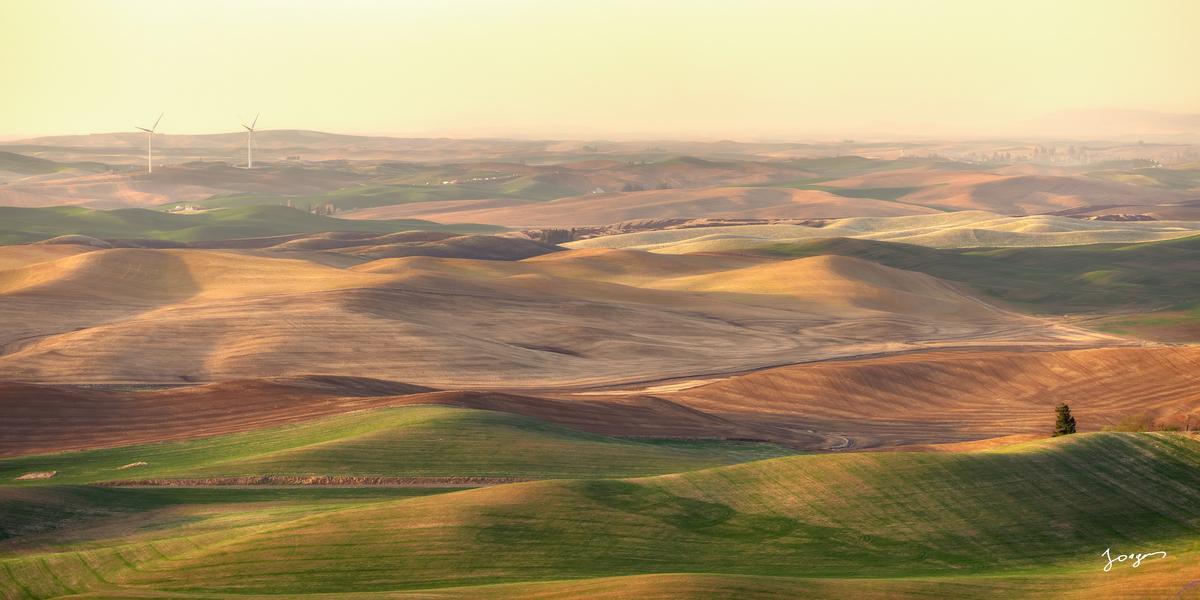
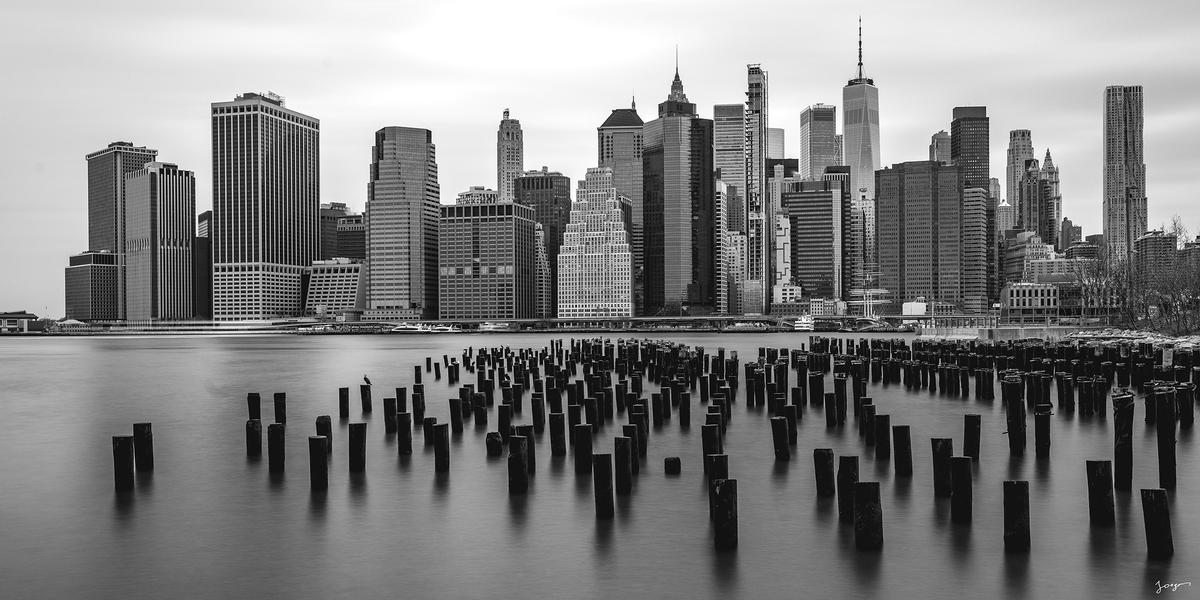
Rustic rooms are built around raw, honest materials, and the art that goes into them should meet that same standard rather than fight it. This is one of the style categories where large-format fine art photography does genuinely more work than paintings or mass-produced prints — a photograph of an actual mountain range, an actual forest, an actual weathered coastline carries the same material honesty the rest of the room is built around. A painted landscape is an interpretation. A photograph is a document of a real place that actually exists, which matters in a design style whose entire philosophy is about honesty of material and origin.
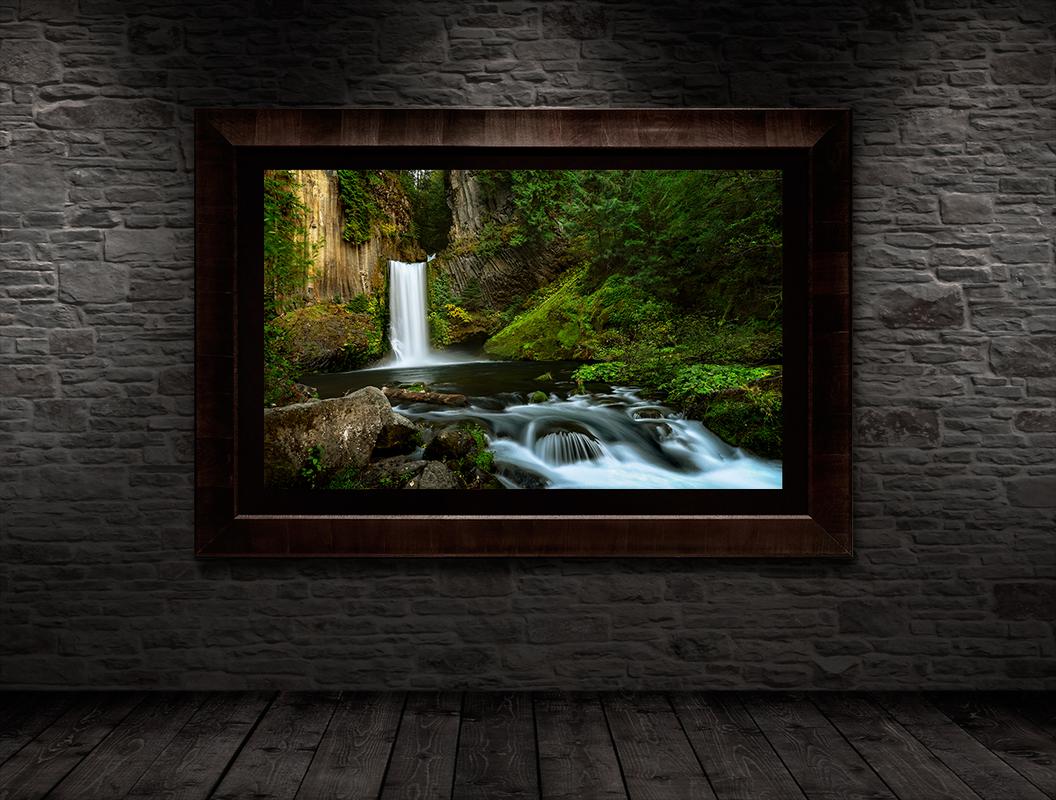
For Mountain Lodge and Western Rustic interiors specifically, large mountain photography above a stone fireplace or across a great room wall does exactly what the parkitecture lodges were originally designed to do — extend the room outward into the landscape it’s trying to evoke. For spaces built around reclaimed wood and forest tones, tree and forest photography reinforces the same material story the furniture is already telling. And for the quieter, more minimal Scandinavian Rustic and Rustic Modern sub-styles, a single landscape photograph, printed large and framed simply, does more than a gallery wall of smaller pieces ever could.
Every image printed as a Lumachrome HD TruLife® Acrylic limited edition carries its own kind of honesty into the room — a signed, numbered, authenticated print of a real place, in a design style built entirely around the idea that materials should be exactly what they claim to be.
The Common Thread
Rustic, at every scale from a Yellowstone lodge to a farmhouse kitchen, is built on the same underlying premise: that materials should show where they came from, and that a room feels most honest when nothing in it is pretending to be something it isn’t. That principle connects it more closely than it might first appear to holistic and biophilic design, which is built around the same core idea — that a genuine connection to natural materials and the outdoors changes how a space actually feels to live in, not just how it looks in a photograph.
Read the Jongas guide to holistic interior design →
Read the Jongas guide to contemporary interior design →
Explore the Jongas Mountain Photography Collection →
Eddie Jongas is a modern fine art photographer based in Las Vegas, Nevada. His TruLife acrylic-mounted limited edition prints are available exclusively through jongasfineartphotography.com. Free shipping to all 50 states.