In 1839, a French painter and chemist named Louis Daguerre proved something that had seemed impossible: you could trap light on a surface and make it stay. The process was complicated, the results were fragile silver images on copper plates, and the exposure time was long enough that moving subjects came out blurry. But the principle was undeniable. A machine could now make a picture of the world.
Painters panicked. One of them, Paul Delaroche, reportedly said “from today, painting is dead.” He was wrong about painting dying. But he was right that something had changed permanently. The question of what art was, who got to make it, and what it was supposed to do — all of that was suddenly open for renegotiation in a way it hadn’t been for five hundred years.
What followed was nearly two centuries of argument, experimentation, legal battles, philosophical debate, and some genuinely extraordinary images. This is the story of how photography went from a mechanical curiosity to one of the most powerful art forms in the world — and where it stands right now.
When did photography become recognized as fine art?
The key institutional moment was 1940, when the Museum of Modern Art in New York established a dedicated Department of Photography. This was exactly one hundred years after Daguerre’s announcement in 1839. The path there ran through Pictorialism in the 1880s–1910s and the Straight Photography movement of the 1920s–1930s, particularly Group f/64 founded by Ansel Adams, Edward Weston, and Imogen Cunningham.
What is the difference between straight photography and expressive photography?
Straight photography — also called purism — captures the real scene with minimal editing, valuing the authentic moment and optical clarity above all. Expressive photography uses editing as a creative tool, pushing colors, tones, and contrast beyond what the eye saw to convey a mood or personal vision. Both are legitimate fine art approaches. The difference is intention and transparency about the process.
What is a composite photograph and does it count as fine art photography?
A composite combines elements from multiple photographs into a single image — for example, a landscape foreground from one exposure and a sky from another. It can absolutely be fine art, but it shifts the classification from straight photography to digital fine art or photo illustration. The critical factor is disclosure: a composite sold as a single-capture photograph is deceptive. A composite clearly labeled as such is judged on its artistic merits as constructed work.
How did photography change classical fine art?
Photography’s arrival in 1839 removed the need for painting to record the visible world accurately, since a machine could do that faster and more precisely. This freed painting to pursue pure expression, emotion, and abstraction — giving rise to Impressionism, Cubism, Abstract Expressionism, and the full range of modern art movements. Photography didn’t kill classical fine art. It pushed it into territory it would never have found on its own.
What are the main types of fine art photography?
The main categories are: landscape photography (emotional interpretation of natural environments), abstract photography (pure visual elements like color, texture, and line), conceptual photography (image constructed to express an idea), fine art portraiture (human form as subject for psychological or formal exploration), still life photography (arranged objects for symbolism and composition), architectural photography (buildings as formal and spatial composition), and documentary or street photography elevated by formal beauty or narrative depth.
Why the Camera Changed Everything for Classical Fine Art
To understand why photography was such a disruption, you have to understand what classical fine art was doing before it arrived.
For about five hundred years — from the Renaissance in the 1400s through the mid-1800s — the highest purpose of visual art was to represent the visible world as accurately and beautifully as possible. Painters spent years mastering anatomy, perspective, light, and color. The greatest among them could make a face on canvas look so real you’d expect it to blink. That technical mastery was the point. It was what made something art.
The camera made that irrelevant overnight. A machine with no training, no skill, and no artistic sensibility could produce a more accurate record of the visible world than any painter alive. And it could do it in minutes instead of weeks. If the job of art was to record reality faithfully, photography had just taken that job and wasn’t giving it back.
So what was painting for now?
The answer that emerged over the next several decades was this: painting wasn’t for recording reality. It never really was. It was for expressing what reality felt like — the emotion, the meaning, the inner experience of being a human being who sees the world and responds to it. The Impressionists figured this out first. Monet wasn’t trying to paint what the water lilies looked like. He was trying to paint what it felt like to be near them on a certain kind of afternoon. Cézanne wasn’t trying to accurately represent a mountain. He was trying to understand its structure through the act of looking at it again and again.
The camera, by taking over documentation, freed painting to go somewhere it had never been: pure expression, pure abstraction, pure idea. Without the disruption of photography, it’s genuinely unclear whether Impressionism, Cubism, or Abstract Expressionism would have happened when they did, or in the way they did. The camera didn’t kill painting. It pushed it into territory it would never have found on its own.
You can read the full story of how photography disrupted classical fine art and what came of it in the classical fine art history and photography article on this blog. What matters here is the other half of the story: what happened to photography itself.
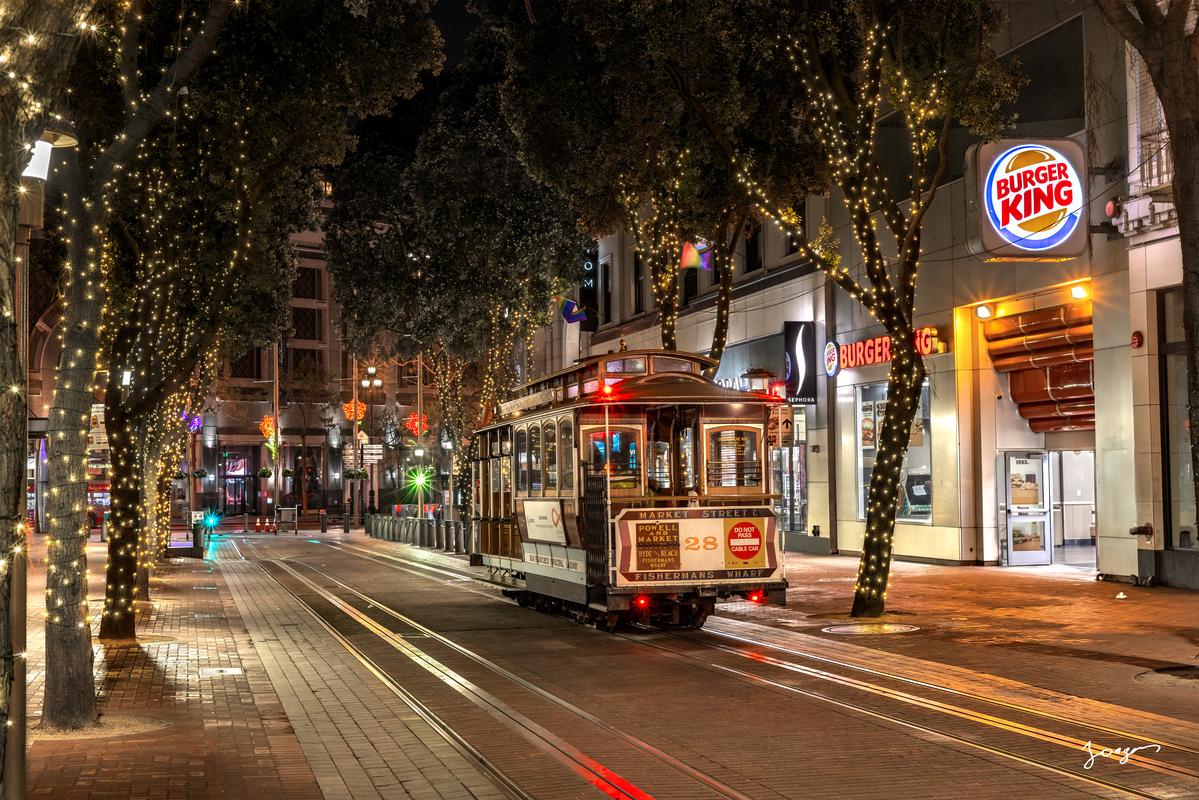
The First Fight — Trying to Prove Photography Was Art
Here’s the irony: the very tool that disrupted painting had to spend a century fighting for the right to be called art itself.
The criticism was simple: a camera is a machine. Machines don’t make art. Art requires a human hand, human intention, human skill. Press a button and get a picture — where’s the artistry in that?
The first serious response came from a movement called Pictorialism, which dominated fine art photography from roughly the 1880s through the 1910s. Pictorialist photographers argued that if the criticism was that photography was too mechanical, they would make it look less mechanical. They used soft-focus lenses to blur the image. They manipulated the chemistry in the darkroom to add texture and mood. They scratched negatives by hand and applied dyes to prints. They used specialized printing processes — gum bichromate, platinum printing — that looked nothing like a straight photograph and everything like an etching or a drawing.
The goal was simple: make the photograph look handmade. Make the viewer forget that a machine was involved. Photographers like Alfred Stieglitz, Edward Steichen, and Julia Margaret Cameron produced work that genuinely looked like paintings, and serious galleries began showing it alongside paintings by Rodin, Matisse, and Picasso.
It worked, in a limited way. Photography got a foot in the door of the art world. But Pictorialism also had a fundamental problem: if the artistic value of a photograph came from making it look like a painting, photography would always be second to painting. It would never be its own thing.
The Revolution — Straight Photography and Group f/64
By the 1910s, a new generation of photographers had a completely different answer to the question of whether photography was art. Their answer, roughly, was: stop apologizing for what the camera is. Use it the way only a camera can be used. Make photographs that could only be photographs — not imitations of paintings, not approximations of engravings, but something entirely their own.
This was called Straight Photography. Sharp focus. High contrast. Precise framing. No darkroom tricks. The art in the image came from what the photographer chose to point the camera at, when, and from where. The creative act happened before the shutter clicked, not after.
“The camera didn’t kill painting. It pushed it into territory it would never have found on its own.”
The most famous expression of this philosophy was Group f/64, formed in California in 1932. The name came from the smallest aperture on a large-format view camera — the setting that produces maximum sharpness from the nearest detail to the furthest horizon. The founding members were Ansel Adams, Edward Weston, and Imogen Cunningham. Their manifesto was in the name: everything in focus, nothing hidden, no apology.
Adams photographed the American West with a large-format camera and a system he developed called the Zone System, which gave him precise control over tonal values from the deepest shadow to the brightest highlight. Weston photographed vegetables and rock formations with the same rigor and produced images that looked abstract without being manipulated. Cunningham photographed plants, nudes, and portraits with the same clean, precise eye.
The work these photographers produced is now in the permanent collections of the world’s major art museums. In 1940, the Museum of Modern Art in New York established a dedicated Department of Photography — the moment when institutional fine art formally accepted photography as one of its own. It had taken exactly one hundred years from Daguerre’s announcement.
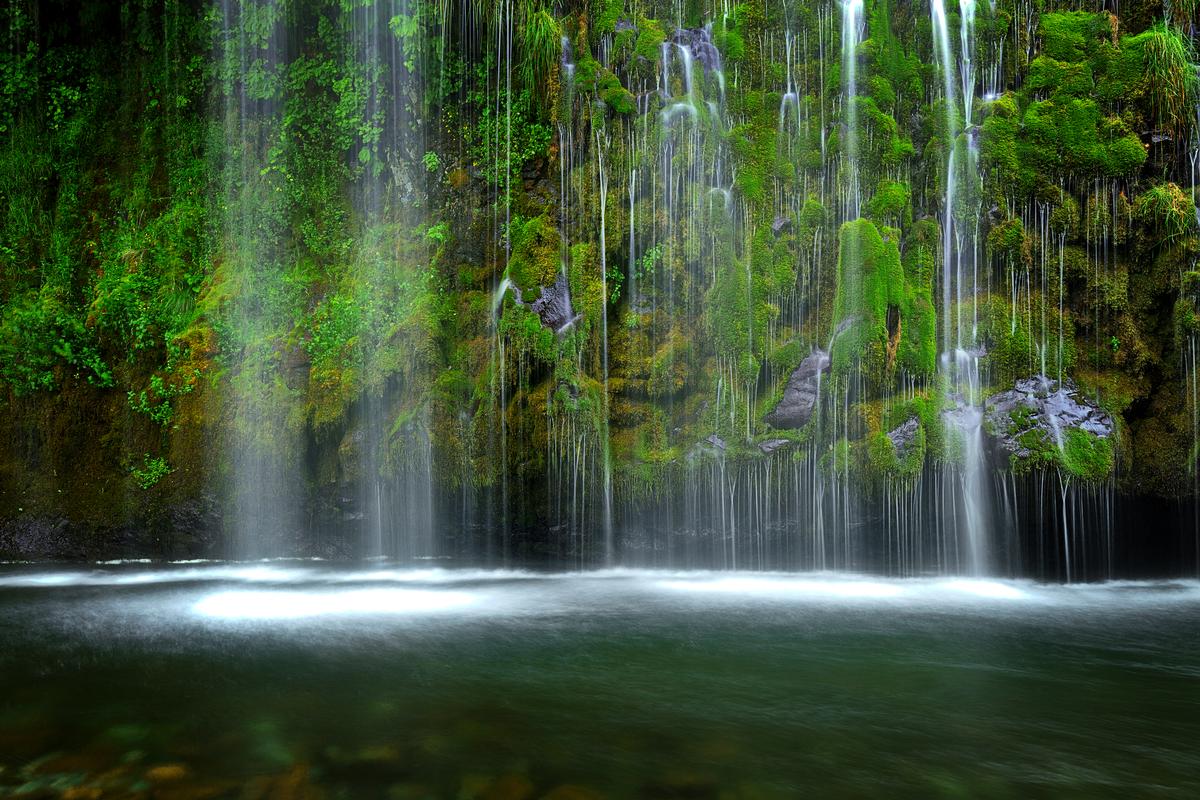
What Fine Art Photography Actually Is — The Types and Categories
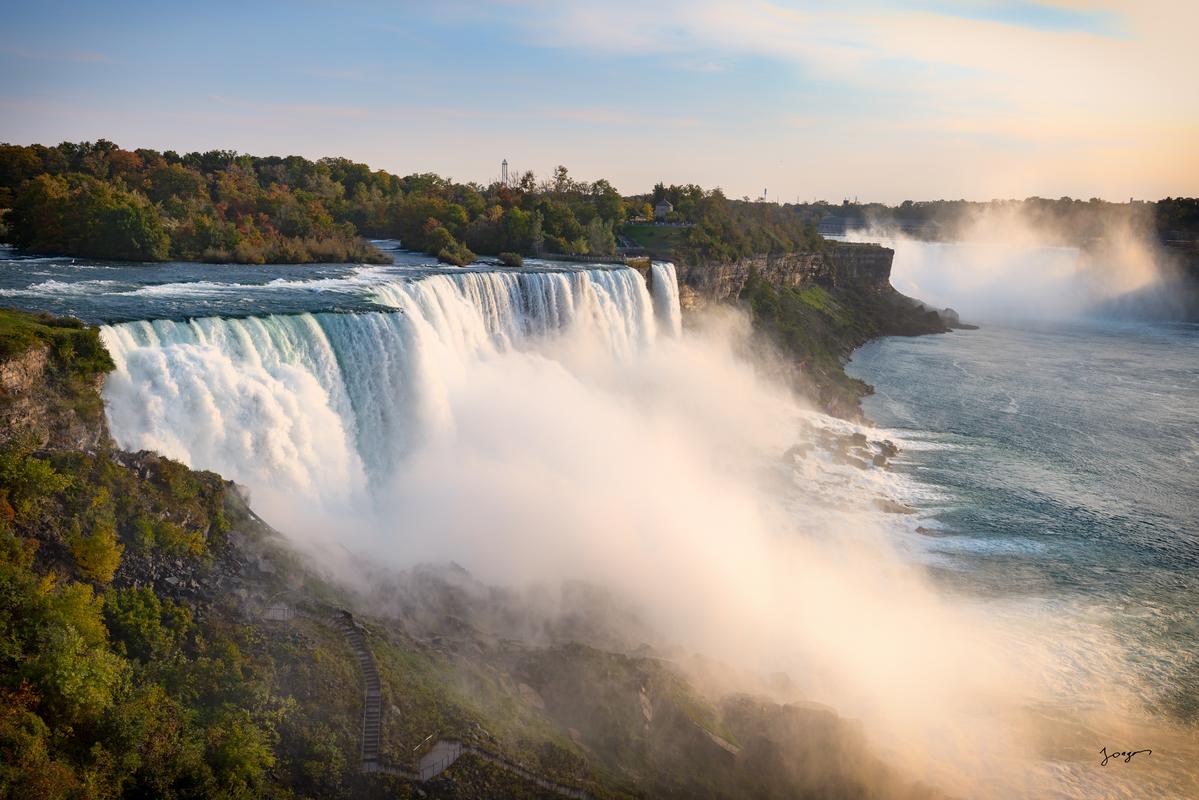
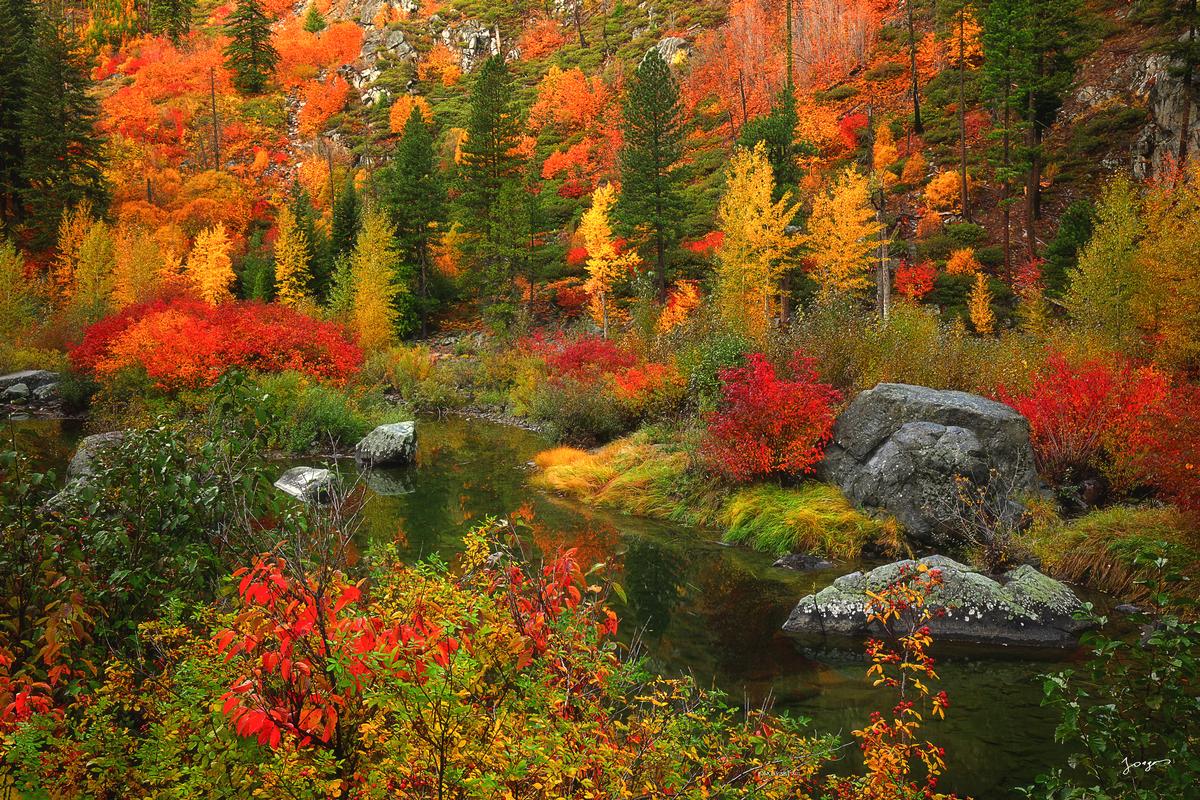
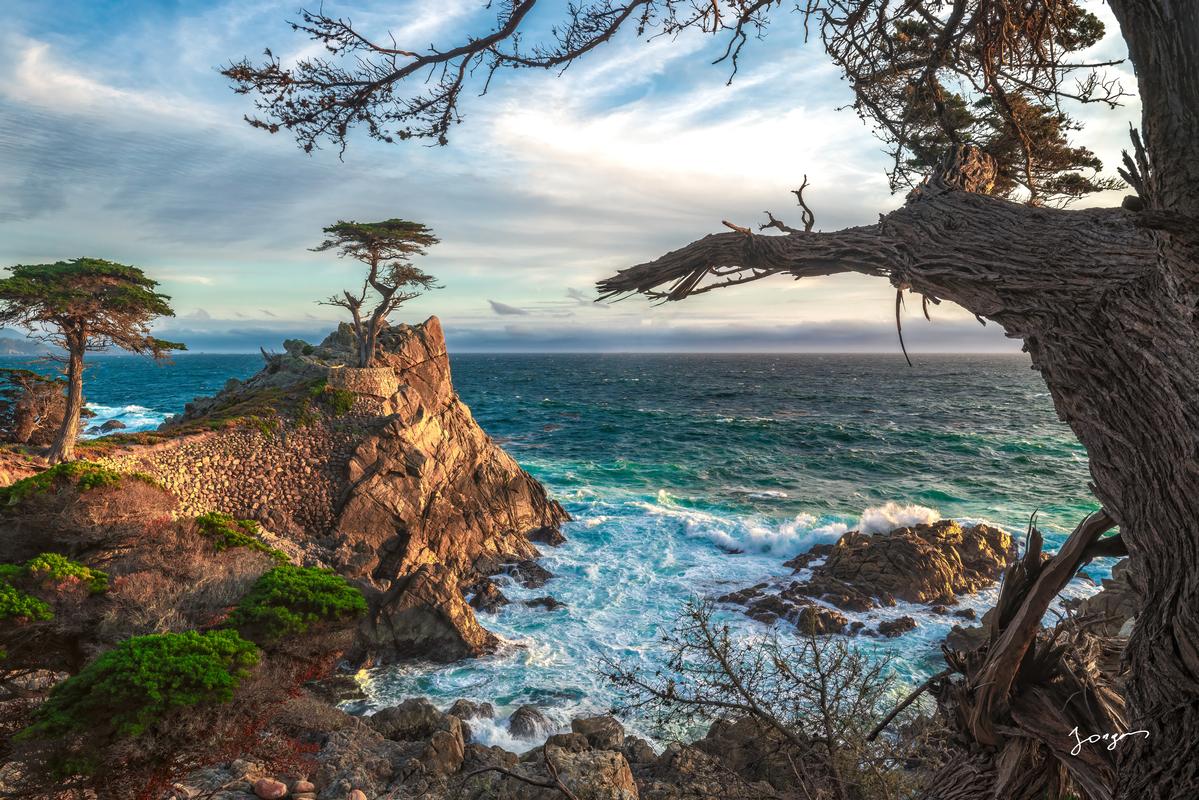
Fine art landscape photography is the most familiar category, and the one with the deepest historical roots. It goes all the way back to the Hudson River School painters of the 1800s and runs straight through Ansel Adams to the present. Fine art landscape photography is not the same as a travel postcard or a geographical record. It prioritizes the photographer’s emotional interpretation over objective accuracy. The same mountain can look threatening, peaceful, monumental, or intimate depending on the light, the lens, the moment, and the intention. The Jongas landscape photography collection sits in this tradition — images that begin with a real place but are shaped by a specific way of seeing it.
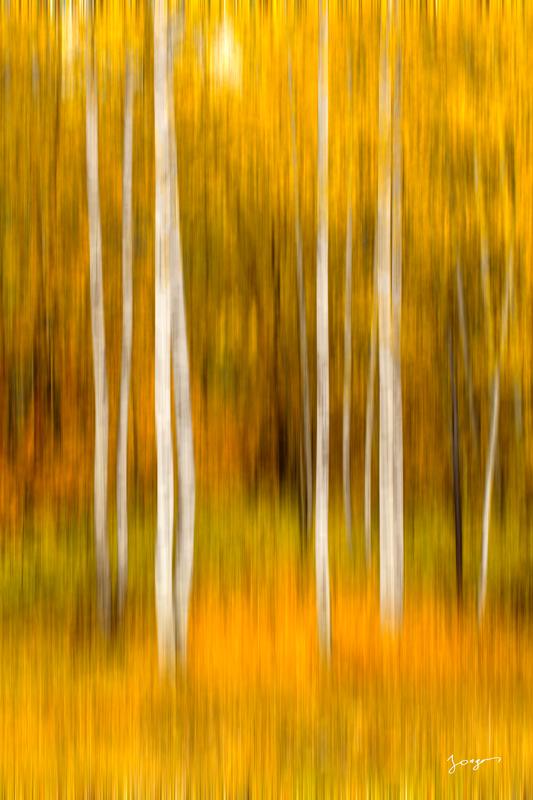
Abstract photography strips away recognizable subjects and focuses on pure visual elements: color, texture, line, light, geometry. It can be made with extreme close-ups that dissolve familiar objects into pure form, long exposures that turn moving water into silk, or deliberate camera movement during exposure that transforms a stand of trees into vertical streaks of color. Man Ray pioneered the cameraless version — photograms and rayographs made by placing objects directly on photographic paper. The abstract photography collection on this site is built from this tradition, finding abstraction in natural patterns and surfaces rather than inventing it from nothing.
Conceptual photography is where the idea comes first and the image is built to express it. The photographer acts as director, constructing scenes, costumes, and scenarios to create a specific visual statement. Cindy Sherman is the most famous example — she spent her career photographing herself in elaborate staged identities, using the camera to explore questions of femininity, identity, and how we construct the self for an audience. Jeff Wall creates large cinematic lightboxes that look like documentary photographs but are entirely staged. The image is a constructed argument, not a captured moment.
Fine art portraiture treats the human face and form as a subject for exploration rather than flattering representation. Unlike commercial portraiture, which aims to make the subject look good, fine art portraiture uses the human form to explore emotion, psychology, or social commentary. Edward Weston’s nude studies treated the body as an abstract architectural form. Robert Mapplethorpe brought the same rigorous formalism to portraiture and figure photography.
Still life photography comes directly from the classical painting tradition — arranged objects photographed to explore symbolism, light, texture, and form. Edward Weston’s pepper series is the most famous example: photographs of green peppers that look like human bodies, abstract sculptures, and natural forms simultaneously.
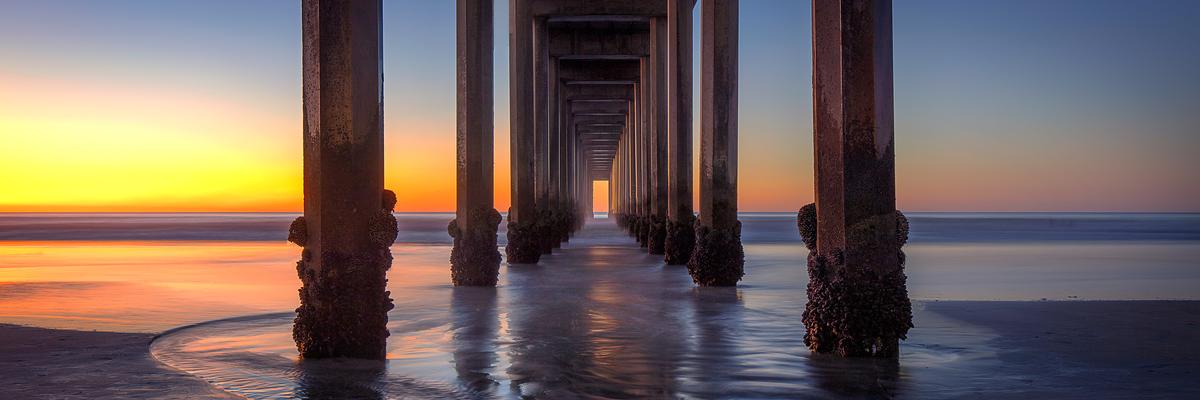
Fine art architectural photography uses buildings not as documentation but as compositional material — exploiting geometry, shadow, symmetry, and the human relationship to built space. Candida Höfer photographed empty museum and library interiors at large scale to create images about memory, time, and the relationship between knowledge and space.
Street and documentary photography crosses into fine art when it goes beyond factual recording and uses surreal juxtaposition, formal beauty, or emotional depth to say something about the human condition. Henri Cartier-Bresson’s concept of the “decisive moment” — the instant when all the elements of a scene align into a perfect composition — is the founding philosophy of this approach.
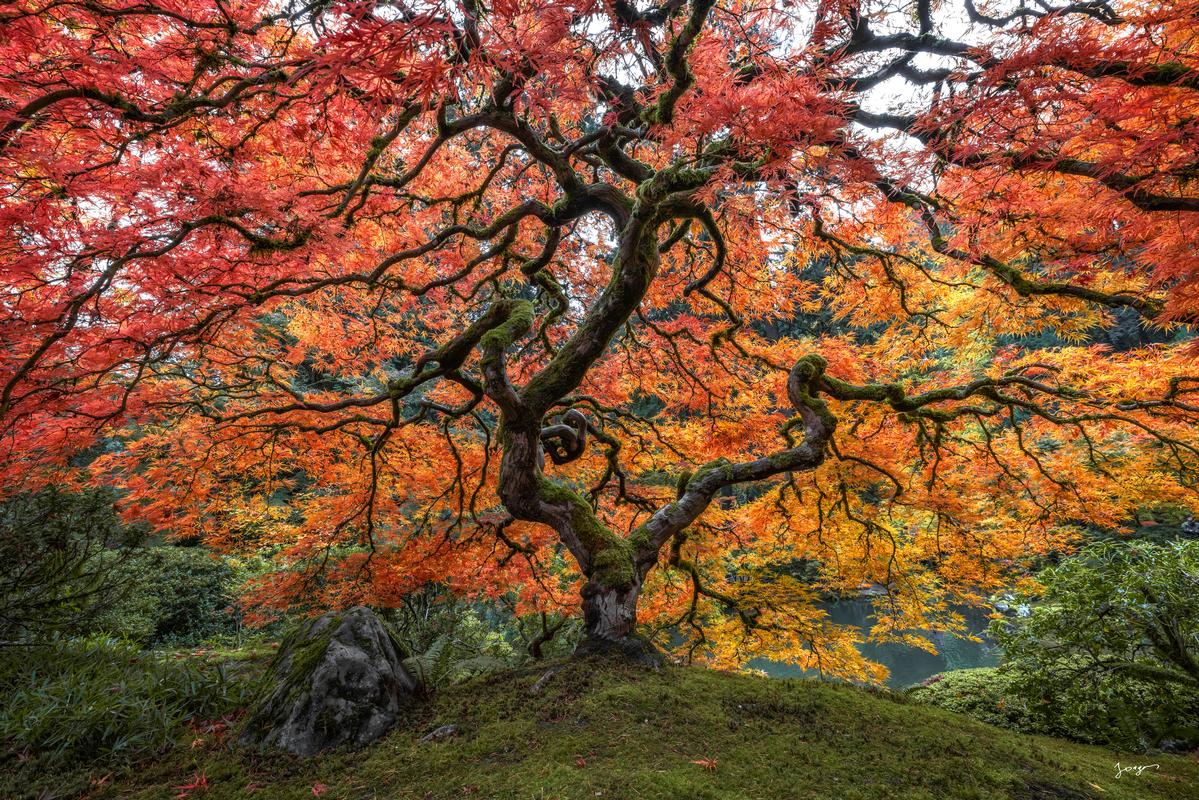
Straight vs. Expressive — The Ongoing Debate About Editing
One of the most persistent debates in fine art photography is about how much editing is acceptable, and where the line falls between photography and something else.
The two poles have names. Straight photography or purism holds that the power of a photograph comes from what was actually there — the real light, the real moment, the real scene captured with precision and clarity. Editing is minimal: adjusting exposure, contrast, and color balance to reflect the scene as it actually appeared. Ansel Adams was the master of this approach. His Zone System gave him extraordinary control over the final print, but every tonal decision was in service of representing what he saw, not inventing something that wasn’t there.
At the other end is expressive post-processing — sometimes called pictorialism in the modern sense, or digital artistry. Here the photographer uses editing as a creative tool in its own right: boosting colors beyond what the eye saw, shifting hues to create a specific mood, dramatically altering the tonal dynamics to convey an emotion rather than a reality. The editing is not correcting the image toward truth. It is pushing it toward a personal vision.
Neither approach is wrong. They are different intentions producing different results for different audiences. Straight photography tends to appeal to buyers who value the purity of the captured moment — the knowledge that a photographer was actually at that specific place at that specific time, and what you’re seeing is what was there. Expressive photography appeals to buyers who respond to bold visual impact and the photographer’s personal interpretation of a scene.
The problems start when the approach isn’t disclosed. Which brings us to the most instructive cautionary tale in modern fine art photography.
The Peter Lik Lesson — Why Disclosure Matters
Peter Lik is one of the most commercially successful landscape photographers in history. He started as a purist: film photography, single exposures, panoramic landscapes of Australia and the American West. His early reputation was built on being present at extraordinary moments in nature and capturing them faithfully.
As digital photography arrived and tools for compositing became more sophisticated, Lik’s work evolved. The images became more dramatic, more perfect, more visually intense than any single exposure of the real world could produce. Elements from different photographs were blended together. Moons from one image were inserted into skies from another. The results were striking. They were also no longer single captures of real moments.
The controversy peaked in 2018 with a photograph called Moonlit Dreams — a canyon tree with a massive, hyper-detailed full moon hanging behind it. Lik had marketed it with romantic language about searching for days to line up the tree with the moon, waiting for it to rise, pressing the shutter. Astrophotographers and photography critics systematically dismantled the image: the depth of field required to get both the nearby tree and the moon 384,000 kilometers away in simultaneous sharp focus was physically impossible. The lighting on the cliffs contradicted a single light source. Cloud textures appeared behind the moon, proving the moon was digitally placed over the sky. And when analysts compared it to an earlier Lik photograph called Bella Luna from 2012, they found he had used the exact same digital moon asset in both images, simply resized and repositioned over different backgrounds.
The backlash was severe. Major photography publications covered it extensively. The argument was not that compositing was wrong — many respected fine art photographers use it openly. The argument was that selling composite images as single-capture moments of nature, at gallery prices that depended on that authenticity, was deceptive to buyers.
Lik’s team eventually began formally disclosing composites on his website and gallery documentation. The disclosure shifted his work’s classification from pure landscape photography to digital fine art. It was the right outcome. The images were now judged on their visual and decorative merits as constructed artwork rather than as documentary records of real moments. That’s a legitimate category. It just needed an honest label.
The lesson for anyone buying fine art photography — or making it — is simple: transparency is not optional. A photograph sold as a straight capture carries an implicit promise. Breaking that promise without disclosure is where artistic license becomes something else. For collectors considering Peter Lik’s work, there is also a practical question worth asking: at the prices his gallery charges, is there a Peter Lik alternative that offers the same visual impact with a clearer provenance and a more straightforward relationship between what you’re told and what you’re buying? The full story — the $6.5 million Phantom sale, the copyright lawsuit, and the composite controversy — is covered in that article.
Photorealism — When Painting Came Full Circle
Here’s one of the stranger loops in the history of art and photography: in the 1960s, a group of American painters started doing something that would have seemed absurd a century earlier. They took photographs, and then painted them. Not paintings inspired by photographs — exact, painstaking reproductions of photographs, brush stroke by brush stroke, replicating every optical artifact: the shallow depth of field, the lens flare, the slightly unnatural color balance of film.
This was called Photorealism, and its leading figures — Chuck Close, Richard Estes, Audrey Flack, Ralph Goings — were reacting against Abstract Expressionism. They wanted to bring back the visible world, and they chose to do it through the specific visual language of the photograph rather than through direct observation of reality.
The irony is rich: photography arrived in 1839 and was told it could never be art because it was mechanical. One hundred years later, painters were deliberately making their work look photographic as a serious artistic statement. The camera had become the standard of visual truth against which painting now measured itself, rather than the other way around.
Photorealism eventually looped back into photography in the form of photographers like Andreas Gursky and Jeff Wall, who produce enormous prints of digitally composited images with the visual weight of large-scale paintings. Gursky famously digitally erased buildings from a Rhine River photograph to isolate the pure geometry of water, sky, and industrial strip. The result sold for over $4 million. The manipulation served a clear artistic concept. The disclosure was built into the artist’s publicly known practice.
How Art Buyers Think About Straight vs. Manipulated Photography
Fine art collectors and museum buyers focus on conceptual depth, art-historical significance, and rarity. They value straight photography when it comes from photographers with genuine observational rigor — people like William Eggleston or Alec Soth, whose work derives power from the photographer’s ability to find formal beauty and cultural meaning in unscripted real moments. They also value manipulated photography — but only when the manipulation serves a clear artistic concept rather than decorative embellishment. Andreas Gursky’s massive digital alterations command multi-million-dollar prices because the manipulation is the vehicle for a serious visual argument. What serious collectors won’t accept is manipulation that presents itself as straight photography, or editing that serves only to make an image look more impressive than the real scene was.
Interior design buyers and luxury collectors primarily care about visual impact, color palette, and how an image works in a specific space. They are the most receptive to expressive post-processing and large-format printing. For this buyer, a dramatically color-graded landscape that works perfectly with a specific interior is a successful purchase regardless of how much editing went into it — as long as the image is clearly presented as fine art photography rather than a documentary record.
Photography enthusiasts and collectors fall somewhere in between. They typically value transparency above all else. They want to know what they’re buying: straight capture, heavily edited single exposure, composite, or digital illustration. The label matters to them. They’re buying partly based on the story of how the image was made, and they expect that story to be accurate.
The Digital Era — What Changed and What Didn’t
Digital photography changed the tools available to photographers without changing the fundamental questions. The tension between straight and expressive, between documentation and construction, between transparency and deception — all of that predates digital. What digital did was make everything faster, more accessible, and more powerful in both directions.
On the straight photography side, digital cameras give photographers immediate feedback, enormous dynamic range, and the ability to shoot thousands of frames in search of the right moment. RAW files give unprecedented control over the final image while remaining rooted in light that the camera actually captured.
On the expressive side, tools like Lightroom and Photoshop have given photographers capabilities that would have required a professional darkroom and months of skilled work to achieve manually. Color grading, tonal adjustment, selective editing, compositing — all of it is now accessible to anyone with a computer.
The debate about focus stacking, exposure bracketing, and panoramic stitching is a good example of where the line gets genuinely complicated. A modern landscape photograph might be assembled from 10 exposures taken over two minutes — combined to achieve a dynamic range no single exposure could capture, then stitched to cover an angle of view no single frame could contain. Is that a single photograph? Most photographers and institutions treat it as straight photography because every exposure captured real light at a real moment from a real location. No elements were invented or inserted from elsewhere.
Compare that to inserting a moon from a different photograph taken on a different day in a different location — and the distinction becomes clear. The first is a technical process in service of capturing reality more completely. The second is constructing a scene that never existed.
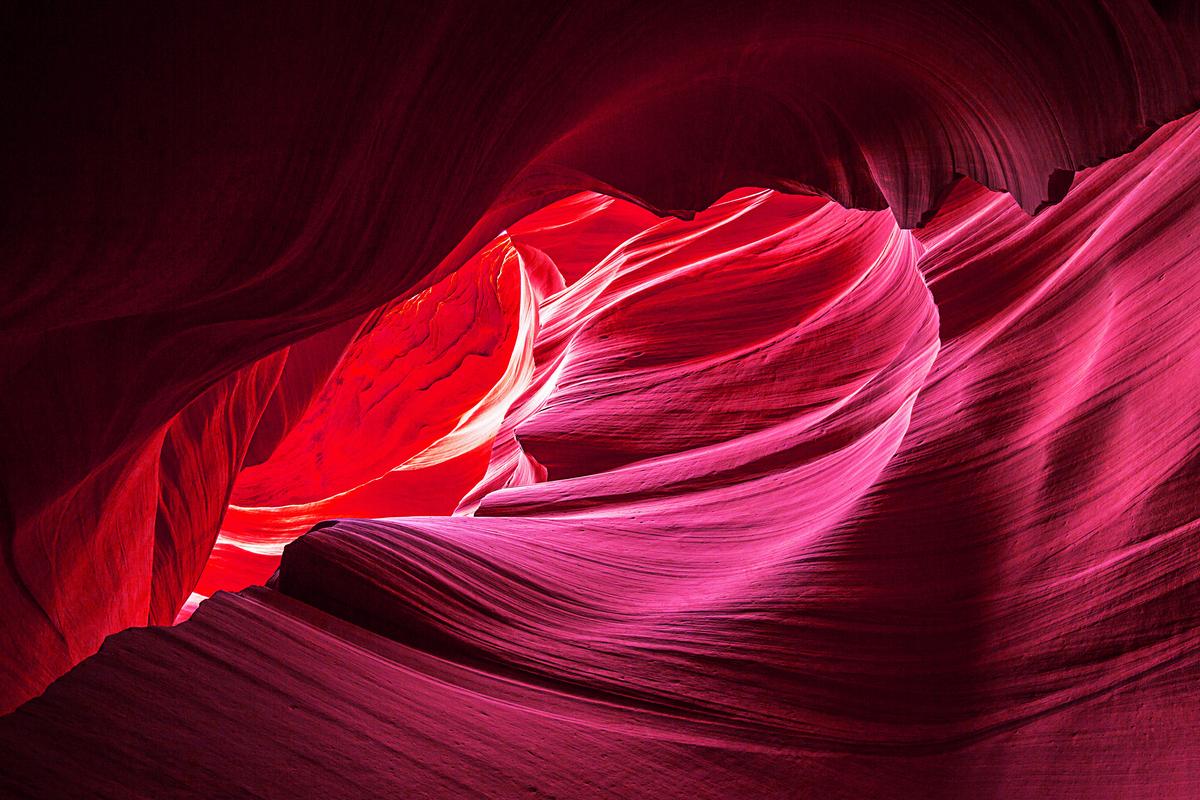
AI — The Latest Disruption, and the Same Old Questions
The newest chapter in this story is artificial intelligence, and it’s asking the same questions photography asked in 1839, but faster and louder.
AI image generation can produce photorealistic images from text descriptions in seconds. No camera. No location. No waiting for light. The images can look indistinguishable from real photographs on a screen. This has created legal battles, competition controversies, and a heated debate about what counts as photography, what counts as art, and what disclosure standards should apply.
The parallels to 1839 are striking. Then: a machine could make images, and people argued it couldn’t be art because no human hand was involved. Now: a machine can make images, and people are making the same argument. Then: it took a hundred years for photography to earn institutional acceptance as fine art. Now: AI-generated images are already selling at Sotheby’s for over a million dollars, and the institutional reckoning is happening in real time rather than over a century.
The full story of AI’s impact on the art world — the auction sales, the competition controversies, the copyright battles, and the question of whether AI images are actually art — is covered in depth in the AI and the art world article on this blog. The short version: the same standards that have always applied to photography apply to AI. Transparency matters. Concept matters. Human intention behind the tool matters. The technology changes. The questions don’t.
Ansel Adams Meets AI — When Photographic History Becomes Something New
Few events illustrate this shift better than a controversy surrounding one of the most famous photographs ever made. In 2026, Danziger Gallery exhibited an AI-generated color interpretation of Ansel Adams’s 1941 masterpiece Moonrise, Hernandez, New Mexico at The Photography Show presented by AIPAD in New York. The project began with a prompt asking AI to create a realistic color version of Adams’s iconic photograph; gallery owner James Danziger says the resulting image was then refined through months of regeneration, editing, proofing, and Photoshop work. The finished pieces were offered as limited-edition prints priced at roughly $6,000 to $10,000.
The Ansel Adams Publishing Rights Trust objected strongly, saying it had neither authorized nor endorsed the project — but notably, the Trust did not frame its objection as opposition to AI itself. It pointed instead to a narrower question: artists’ rights and the commercial use of a photographer’s name, reputation, and legacy without consent. Danziger defended the work on different grounds, maintaining that Moonrise is in the public domain and that he obtained legal advice confirming that status before starting the project — entitling him, in his view, to use the photograph as the foundation for a transformative new work.
The dispute marks a genuinely new point in the story this article has been telling. For most of photographic history, new technology gave photographers new ways to record reality — better lenses, faster film, color emulsion, digital sensors. Generative AI changes that relationship at the root. The camera no longer necessarily has to record what appears in the finished image; AI can invent it instead. The colors in an AI reconstruction of an old black-and-white photograph don’t come from information captured on the original negative — they are algorithmically generated interpretations of what might have existed. That draws a genuinely new line between photography, photographic manipulation, and synthetic imagery, one that 1839 never had to reckon with. And fittingly, the photographer at the center of it is the same one who spent his career pushing the technical limits of the medium in the darkroom, decades before anyone imagined what a machine trained on millions of other people’s photographs might eventually be capable of. The full story — the Trust’s objection, Danziger’s public domain defense, and what Adams himself said about electronic imaging back in 1983 — is covered in the Jongas profile of Ansel Adams.
Where Fine Art Photography Stands Today
Fine art photography in 2026 is not one thing. It is a broad, contested, constantly evolving field that includes everything from a large-format straight landscape print made the way Ansel Adams would recognize to a conceptual installation where AI-generated images are projected in real time onto architectural surfaces.
What ties all of it together — what has tied photography to the tradition of fine art from the beginning — is the question of intention. Is the photographer trying to say something? Is there a vision behind the image, a reason it was made this way rather than any other way, a choice that only this specific human being would have made at this specific moment? If yes, you’re in the territory of fine art. If no — if the image is purely functional, purely decorative, purely mechanical — you’re somewhere else.
The tools keep changing. The question stays the same. It started with a metal plate coated in silver in 1839, and it’s still being asked today, by photographers standing at the edge of landscapes with cameras, by artists typing descriptions into AI programs, and by everyone in between trying to figure out what it means to make an image that matters.
Browse the landscape photography collection, the black and white photography collection, the abstract photography collection, and the full range of fine art prints at Jongas Fine Art Photography — all produced at real locations, in real light, by a photographer who was actually there.
Related Reading:
→ Classical Fine Art — History, Movements & Photography’s Disruption
→ AI and the Art World — Revolution, Controversy & Where Photography Stands
→ Ansel Adams — More Than a Famous Landscape Photographer
→ Imogen Cunningham — The American Photographer
→ Cindy Sherman — The Art of the Vanishing Self
→ Peter Lik — The $6.5M Photo, A Lawsuit & the Best Alternative
→ Modern Fine Art Photography Prints — Is It a Good Investment?
→ What Is Traditional Art? Definition, Examples & 18 Artists
Jongas Fine Art Photography produces limited edition TruLife acrylic-mounted fine art prints by Eddie Jongas, available exclusively through jongasfineartphotography.com, with free shipping to all 50 states.