For about a decade, American interior design was dominated by a very specific look: white shiplap walls, black window frames, farmhouse sinks, and open shelving displaying mason jars. It was clean. It was photogenic. It was everywhere. And then, quietly but decisively, people got tired of it.

What replaced it — what designers and homeowners started reaching for when they wanted something warmer, more textured, more genuinely rooted in history — was European Farmhouse design. Limewash plaster instead of painted shiplap. Hand-hewn oak beams instead of reclaimed pine boards. Unlacquered brass that ages into fingerprints and oxidation instead of matte black fixtures that don’t. The same appetite for casual, domestic comfort that American Farmhouse was trying to evoke — but achieved through materials and methods with five centuries of history behind them rather than a trend cycle that peaked on Pinterest in 2018.
This guide covers everything: what European Farmhouse design actually is, where it came from, what makes it distinct from similar styles, how popular it is today and where, and what kind of art belongs in it.
What is European Farmhouse interior design?
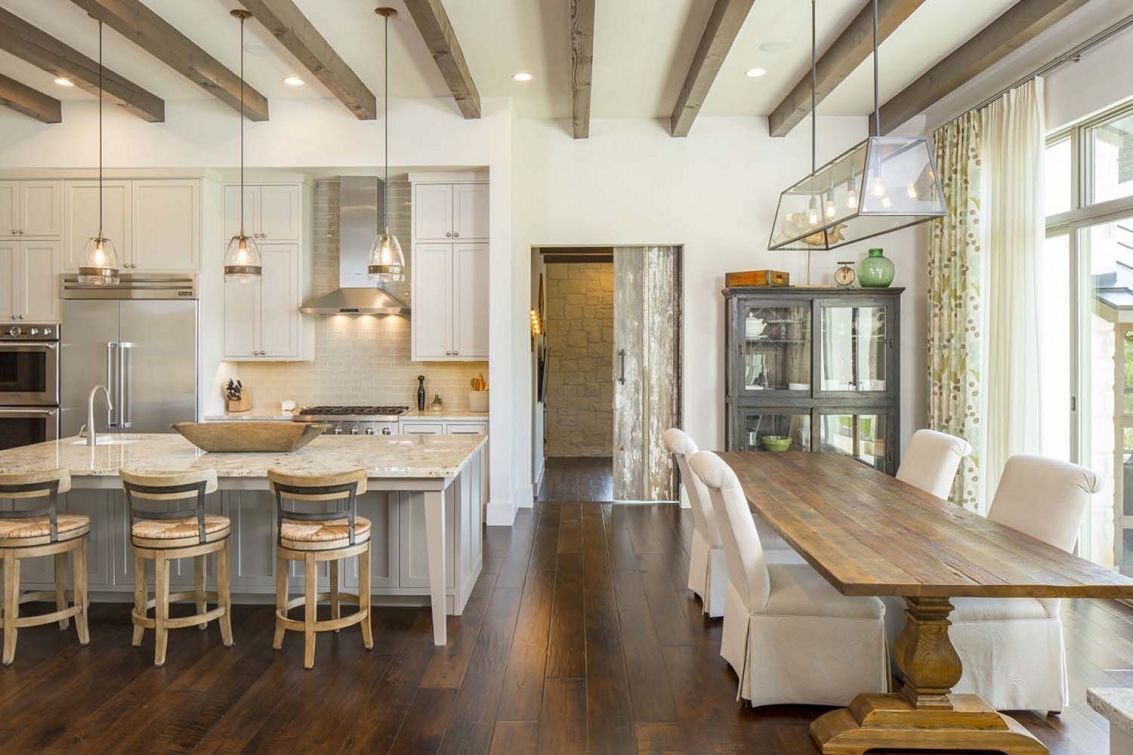
European Farmhouse interior design is a warm, Old-World aesthetic that balances historic provincial character with casual modern livability. It is built on muted earthy neutral palettes (plaster white, taupe, mushroom, terracotta), tactile architectural materials (limewashed stone walls, hand-hewn beams, wide-plank reclaimed oak floors), patinated raw finishes (unlacquered brass, aged iron), and organic natural textiles (heavyweight unbleached linen, jute, wool). It prioritizes materials that age gracefully over time rather than trend-driven finishes that date quickly.
What is the difference between European Farmhouse and American Farmhouse design?
American Modern Farmhouse relies on graphic high contrast — bright white shiplap walls paired with black window frames, dark-stained timber, and industrial metals. European Farmhouse trades that contrast for subtle, monochromatic earth tones, hand-hewn antique beams, limewash plaster, and patinated surfaces that improve with age. American Farmhouse is designed to look sharp and graphic. European Farmhouse is designed to look permanent and organically evolved.
What is the difference between European Farmhouse and English Country House design?
Both styles value history, worn patina, and a rejection of sterile modern perfection. The key difference is in maximalism and mood. English Country House is darker, moodier, and considerably more layered — bold floral chintz, dark mahogany furniture, mixed patterns, floor-to-ceiling art arrangements. European Farmhouse is quieter and more restrained — muted plaster whites, raw oak, unbleached linen, and minimal pattern. English Country House feels like a November library. European Farmhouse feels like a Normandy kitchen.
Is European Farmhouse design popular in the United States?
Yes — the United States is currently the single largest market for European Farmhouse design. It has largely overtaken American Modern Farmhouse in high-end residential construction and remodeling as homeowners moved away from high-contrast black-and-white shiplap interiors in search of warmer, more characterful spaces. Adoption is strongest in the Southeast Sunbelt, the Pacific Northwest and Northern California, the Midwest, and the Northeast suburbs where historic stone architecture provides a natural foundation.
What art works best in a European Farmhouse interior?
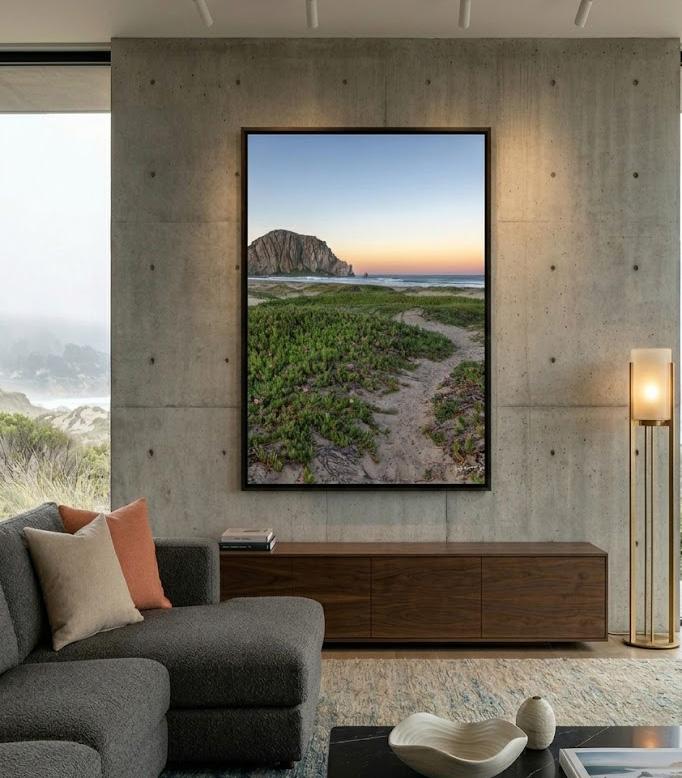
Art that feels documentary, natural, and quietly permanent works best. Fine art landscape photography, black and white nature photography, abstract photography with organic forms and muted tones, and vintage botanical or natural history prints all suit the style. Large-format limited-edition prints in simple raw oak or dark timber frames add visual weight without competing with the textural richness of the architectural materials. Heavily patterned or boldly colorful work tends to conflict with the muted, restrained palette that defines European Farmhouse design.
What Is European Farmhouse Interior Design? Definition and Core Elements
European Farmhouse interior design is a warm, Old-World aesthetic that balances historic provincial character with casual, modern livability. The defining quality is not any single material or color — it is the feeling that the space was built to last, that its materials are aging gracefully rather than wearing out, and that the comfort it offers is the result of genuine quality rather than style formula.
The most important distinction from its American counterpart: European Farmhouse is not high-contrast. American Modern Farmhouse relies on the graphic tension between crisp white walls and black window frames, between painted shiplap and dark hardware. European Farmhouse trades all of that contrast for a muted, monochromatic earthy palette where every element — walls, floors, textiles, furniture — sits within a narrow range of warm neutrals. The visual effect is quiet and enveloping rather than graphic and energetic.
A warm, muted earth tone palette. Built on soft plaster whites, taupe, mushroom, warm ivory, and terracotta rather than cold, stark whites. Accent tones stay within the same muted register — olive, slate grey, sun-bleached lavender. Nothing shouts. Everything settles.
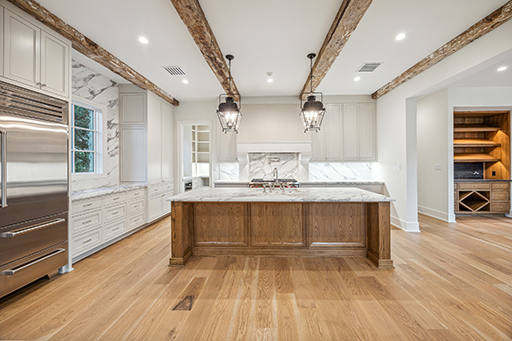
Tactile Old-World architecture. The structural bones of the space are the decoration. Limewashed or over-grouted stone walls with visible mortar texture. Hand-hewn ceiling beams in aged oak or chestnut rather than factory-cut lumber. Flagstone, terracotta tile, or wide-plank reclaimed oak flooring that shows original saw marks and the wear of generations. These are not decorative additions — they are the evidence of how the building was made, preserved and celebrated rather than covered up.
Patinated raw materials — no high shine. Finishes throughout are chosen for how they age rather than how they look when new. Unlacquered brass cabinet hardware and light fixtures that oxidize naturally over time, developing the fingerprint patina that no factory finish can replicate. Raw or limed oak for tables, dressers, and cabinetry rather than the high-gloss dark woods of classic traditional design. Deep stone or fireclay apron-front sinks as central kitchen elements. Nothing polished. Nothing chrome.
Organic natural textiles — linen over chintz. Where English Country House design layers floral chintz, plaids, damasks, and mixed patterns in abundance, European Farmhouse opts for textural restraint. Heavyweight unbleached linen for loose slipcovers, floor-length drapery, and bed wraps. Jute, sisal, and flat-weave wool rugs. Pattern used sparingly — delicate ticking stripes, subtle gingham, vintage Toile de Jouy. The hand that touches these textiles is the point, not the eye that sees them.
Curated antiquity over clutter. Decor is minimal, highly functional, and utilitarian in character. Rather than filling shelves with small objects, rooms feature large-scale singular antique pieces: a glazed terracotta olive jar standing three feet tall, aged copper pots hung above a raw wood kitchen island, a single massive worn wooden dining table that anchors the entire room. The collecting impulse is present but edited — one perfect worn thing rather than fifty charming small ones.
History and Origins of European Farmhouse Design — From Agricultural Necessity to Global Interior Trend
European Farmhouse design has roots that go back considerably further than any intentional decorating movement. It began not as an aesthetic but as an engineering response to climate, available materials, and the demands of agricultural life across rural France, England, Belgium, Italy, and Scandinavia from the seventeenth through the nineteenth centuries.

The farmsteads that gave the style its DNA were built strictly out of local structural necessity. Thick stone or timber-frame walls kept homes warm through harsh winters. Flagstone floors handled muddy boots from the fields. Deep stone sinks served daily labor. Furniture was made by local carpenters using native hardwoods — European oak, pine, chestnut — designed to last generations rather than seasons. There was no design philosophy. There was only what worked, made from what was locally available, built to endure.
As agricultural life changed through the twentieth century, rural European manors and cottages were adapted for modern living rather than demolished or abandoned. The process produced regional micro-styles: Belgian Farmhouse, known for pale linen, bleached oak, and a restrained near-minimalist quality. French Country, characterized by limestone, wrought iron, sun-faded pastels, and the warmth of Provence. English Country House, which overlaps significantly but adds the maximalist layering, dark mahogany, and floral pattern abundance that distinguishes it. Rather than replacing historic architectural features with modern finishes, homeowners integrated original masonry and rustic timber into updated, comfortable spaces. The patina stayed. The function improved.
“European Farmhouse offered exactly what American Farmhouse was always imitating: materials that age instead of wearing out, colors that settle instead of contrasting, and an atmosphere of genuine Old-World permanence.”
The current resurgence — which is genuinely significant, not a minor micro-trend — began as a direct reaction to American Modern Farmhouse reaching saturation point. When every new construction and renovation in the country was featuring the same white shiplap, the same black hardware, the same open shelving with the same mason jars, homeowners and designers started looking for something that had more actual history behind it. European Farmhouse offered exactly that: materials that age instead of wearing out, colors that settle instead of contrasting, and an atmosphere of genuine Old-World permanence that mass-market farmhouse aesthetics were always imitating rather than producing.
European Farmhouse vs. Similar Styles — English Country House, Mediterranean, and American Farmhouse Compared
European Farmhouse shares significant territory with several related styles, and understanding the distinctions helps you make deliberate choices rather than producing an unintentional hybrid.
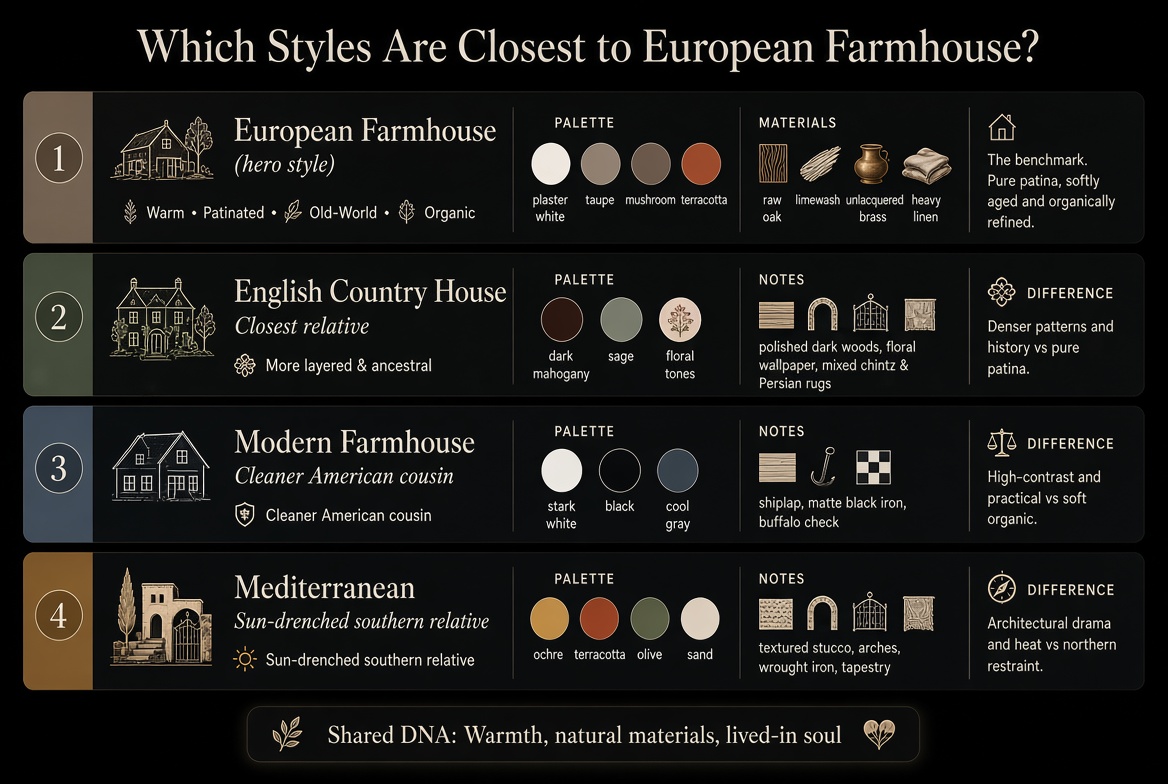

European Farmhouse vs. English Country House. These two styles share the most DNA. Both value history, ancestral furniture, and a rejection of sterile modern perfection. Both embrace wear and patina as evidence of genuine quality rather than problems to solve. The difference is in mood and maximalism. English Country House is moodier, darker, and considerably more layered — bold floral chintz stacked with plaids and damasks, dark mahogany furniture spanning multiple periods, floor-to-ceiling art arrangements, and the deliberately eccentric object that Nancy Lancaster insisted every great room needs. European Farmhouse is quieter and more restrained — muted plaster whites instead of glazed butter yellow, raw oak instead of polished mahogany, unbleached linen instead of mixed pattern chintz. Both styles are warm and lived-in. English Country House feels like a moody November library. European Farmhouse feels like a Normandy kitchen on a grey morning.
European Farmhouse vs. Mediterranean / Tuscan design. Both use Old-World European elements — stone walls, wrought iron, warm masonry. The difference is in climate and color. Mediterranean design leans into the warmth and light of southern Europe: richer ochre and terracotta tones, heavier wrought iron scrollwork, dramatic arched entryways, thick textured stucco. European Farmhouse takes a softer, more northern approach: neutral limewash instead of warm ochre, soft limestone instead of terracotta tile, lighter timber instead of heavy dark wood. Mediterranean is sun-drenched and emphatic. European Farmhouse is overcast and quiet.
European Farmhouse vs. American Modern Farmhouse. Same domestic comfort ambition, completely different visual language. American Farmhouse uses graphic high-contrast — bright white shiplap paired with black window frames, dark-stained timber, and industrial metals. European Farmhouse trades that contrast for subtle, monochromatic earth tones, hand-hewn antique beams, and patinated surfaces that improve with age. American Farmhouse is designed to look sharp. European Farmhouse is designed to look permanent.
How Popular Is European Farmhouse Design Today — And Where Is It Most In Demand?
European Farmhouse design is currently one of the most searched and most requested residential interior styles in the United States and internationally. It has largely overtaken American Modern Farmhouse as the dominant farmhouse aesthetic in high-end new construction and remodeling, and interior designers consistently cite it as one of the foundational frameworks they use when clients ask for something warm, characterful, and genuinely lasting.
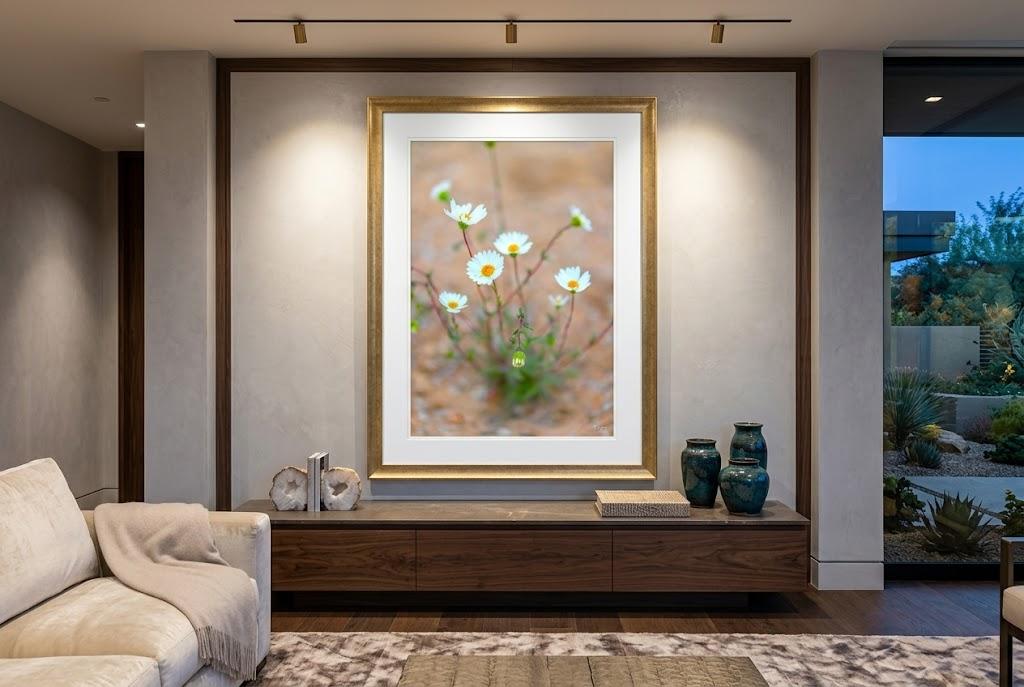
Three forces are driving the demand. First, the anti-shiplap shift — homeowners burned out on high-contrast black-and-white interiors have turned specifically to European Farmhouse for its warm chalky limewash finishes and muted earthy tones. Second, the vintage sustainability movement: sourcing antique, patinated, and second-hand pieces has surged in popularity, and European Farmhouse relies heavily on reclaimed timber, aged stone, and pre-owned furniture rather than disposable mass-market items. Third, the alignment with quiet luxury — the broader movement away from conspicuous consumption toward high-quality materials that age well rather than trend pieces that date quickly. Unlacquered brass, solid oak, hand-cut stone, and thick unbleached linen fit naturally into that value system.
In the United States, adoption is strongest in the Southeast Sunbelt — Nashville, Austin, Atlanta and surrounding suburbs where rapid new-home construction has embraced stone facades, limewashed brick exteriors, and open-concept beam ceilings. The Pacific Northwest and Northern California, particularly Napa Valley and Oregon, embrace the aesthetic because its natural wood tones, stone, and heavy linen pair seamlessly with the lush outdoor environment. Cold-climate Midwest states lean into the style for its cozy, insulating quality — thick plaster walls, deep fireplaces, warm earth-toned palettes that make winters feel intentional rather than endured. The Northeast suburbs, where original Colonial and Pennsylvania Dutch stonework gives homeowners a genuine Old-World architectural foundation to work with, are a natural fit for European Farmhouse interiors that build on rather than ignore the bones of the house.
Internationally, the style remains most popular in the UK and Ireland, France and Belgium (where it is simply how people have always lived in rural areas), and Australia — particularly the coastal highlands regions where the cool light and green landscape mirror the Northern European conditions the style evolved to suit.
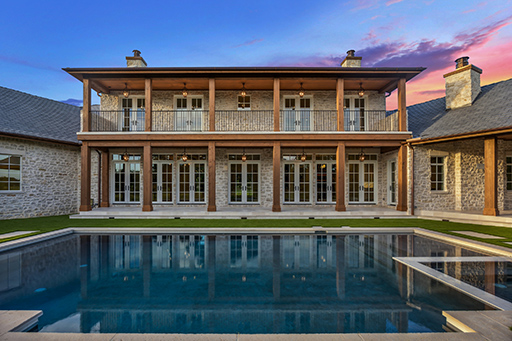
What Art Works Best in European Farmhouse Interiors — And How Fine Art Photography Fits In
Art in a European Farmhouse interior follows the same rules as everything else in the space: it should feel collected and earned rather than purchased to complete a look, it should favor restraint over accumulation, and it should add to the sense of quiet permanence that defines the style.
The categories that work best are those that feel documentary, natural, or historically grounded without being heavy or maximalist.
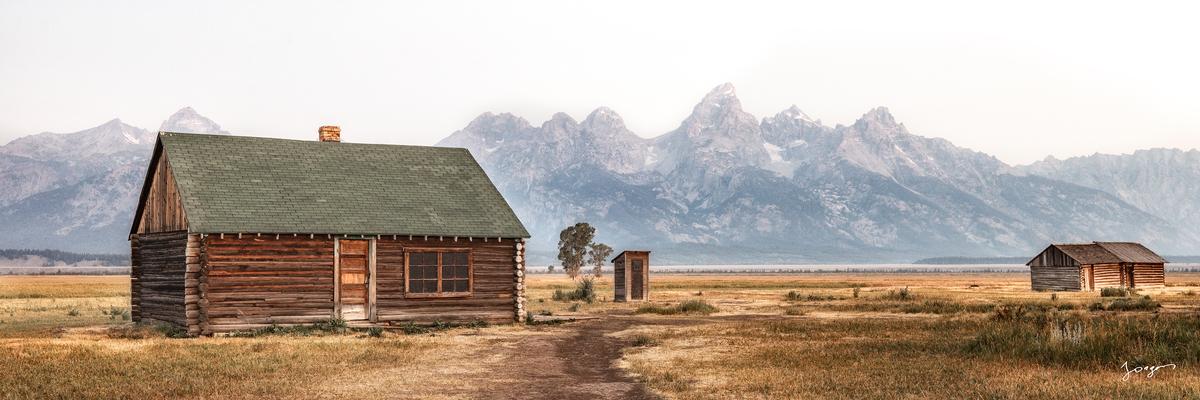
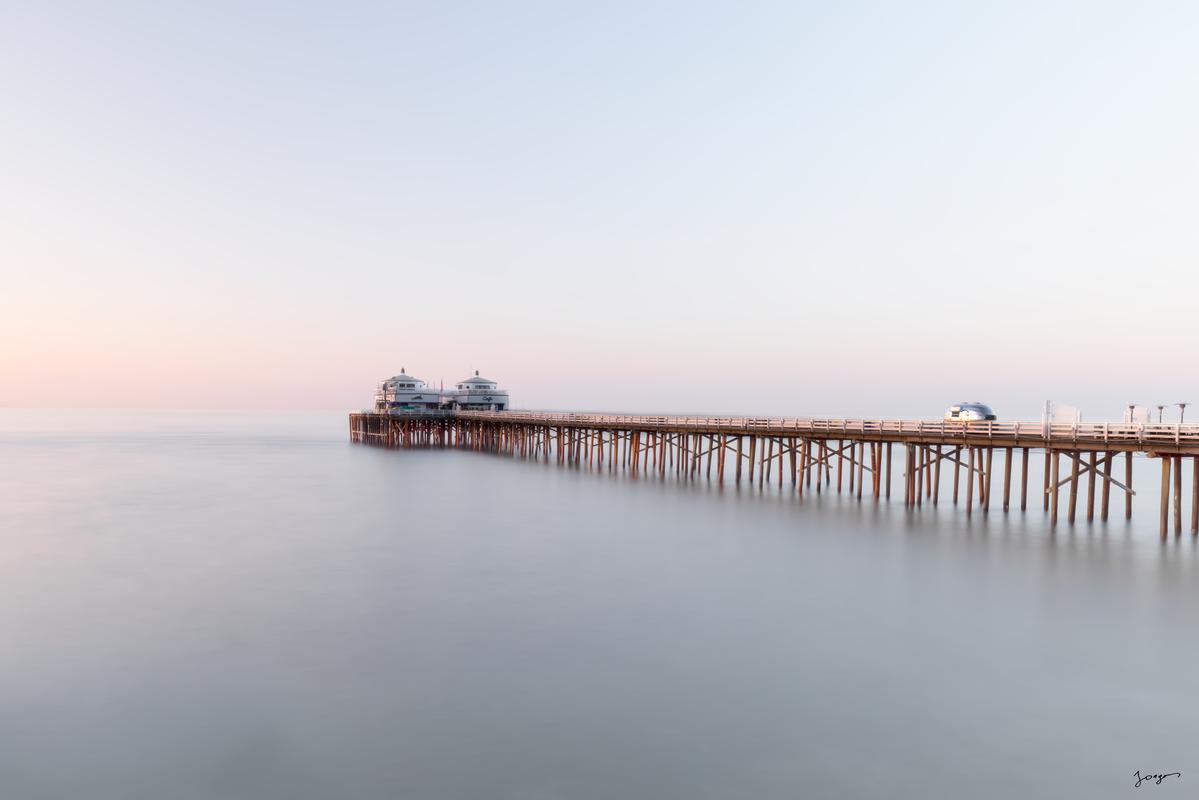
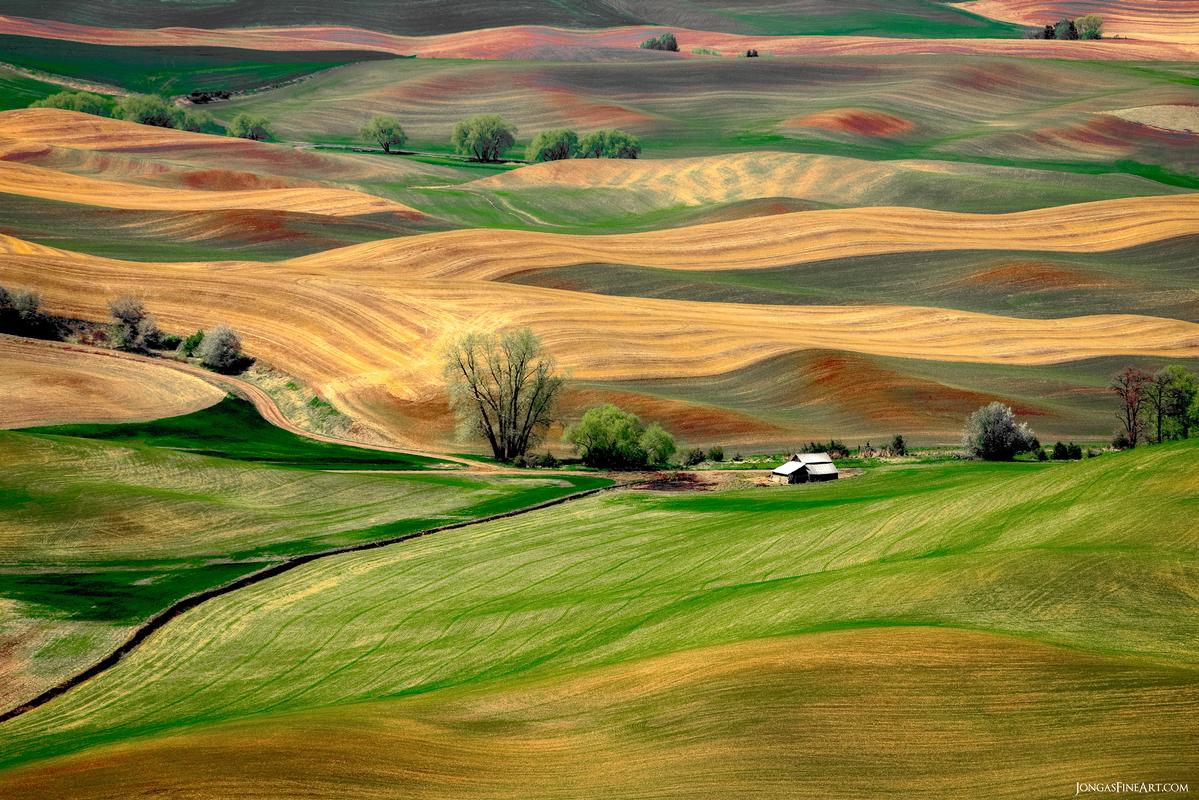
Landscape and nature photography is one of the strongest fits. A large-format fine art landscape print — dramatic natural light, wide open space, the kind of image that holds a wall the way a painting holds a wall — reads naturally in a European Farmhouse space without competing with the textural richness of the architecture. The Jongas landscape photography collection produces exactly this kind of work: large-format limited-edition prints on museum-grade TruLife acrylic that give natural subjects the visual weight and presence of oil paintings, without the pattern and color intensity that would overwhelm a muted plaster-and-linen interior.
Black and white fine art photography is particularly well-suited to the muted European Farmhouse palette. A monochrome landscape or nature photograph in a simple dark wood or raw oak frame reads as documentary and timeless — the photographic equivalent of the old botanical study or architectural drawing that a European family might have accumulated over generations. The black and white photography collection offers exactly this visual register: tonal restraint, formal composition, and the sense of a specific place seen with careful attention.
Abstract fine art photography works well in Modern European Farmhouse spaces where contemporary art is used as a counterpoint to the historic materials. A large abstract image — organic forms, natural textures, muted tones — adds visual interest without introducing the pattern complexity that the style deliberately avoids. The abstract photography collection explores exactly these territories: close studies of natural surfaces and forms that read as abstract without being jarring.
Vintage botanical prints and natural history illustrations are a traditional fit, particularly in dining rooms and studies. Individual prints framed in simple dark wood, arranged in loose grids or clusters, add the scholarly collecting quality that connects the space to its European agricultural roots — the landowner who documented the plants growing on the estate, the traveler who brought back natural history drawings from a journey.
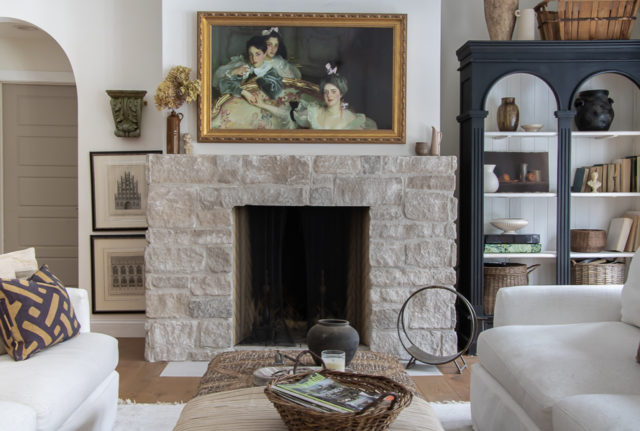
Framing for European Farmhouse art should match the material philosophy of the space: raw or limed oak, simple dark timber, or aged patinated gold-leaf frames. Heavy carved gilt frames are too English Country House for this context. Simple and honest in construction, visually quiet, allowing the image to carry the weight rather than the frame.
Related Reading:
→ English Country House Interior Design — History, Style & Art Guide
→ Mediterranean Interior Design — Sun-Drenched, Textured, and Timeless
→ What Is Traditional Interior Design? A Complete Guide
→ What Is Rustic Interior Design? Complete Style Guide
→ The Complete Interior Design Styles Guide
→ How to Light Artwork on a Wall — The Complete Guide
→ Modern Fine Art Photography Prints — Is It a Good Investment?
Jongas Fine Art Photography produces limited edition TruLife acrylic-mounted fine art prints by Eddie Jongas, available exclusively through jongasfineartphotography.com, with free shipping to all 50 states.